Warsh's election to the Federal Reserve Board of Governors puts him one step closer to becoming Chairman. How will he deliver on his promise to cut interest rates amid the inflationary predicament?
2026-05-13 11:02:08
On Tuesday, May 12 (May 13) during the New York session, Beijing time, a key breakthrough occurred in the nomination of Federal Reserve Chair. Kevin Warsh successfully passed the Senate vote and entered the Federal Reserve Board of Governors, just one step away from officially becoming the Fed Chair. The vote was largely along party lines, with only one Democratic senator offering bipartisan support, highlighting the political divisions.
Warsh will face a vote on his appointment as the new central bank chairman on May 14th (Beijing time). If elected, he will succeed Jerome Powell on May 15th, becoming the head of the world's most influential central bank. However, against the backdrop of rising inflation due to the Iran war and increasing market expectations for interest rate hikes, Warsh, who has publicly called for interest rate cuts and advocated for "mechanism reform" within the Federal Reserve, will face multiple policy dilemmas upon taking office. Whether his policy proposals can be implemented has become a core focus of attention in global financial markets.
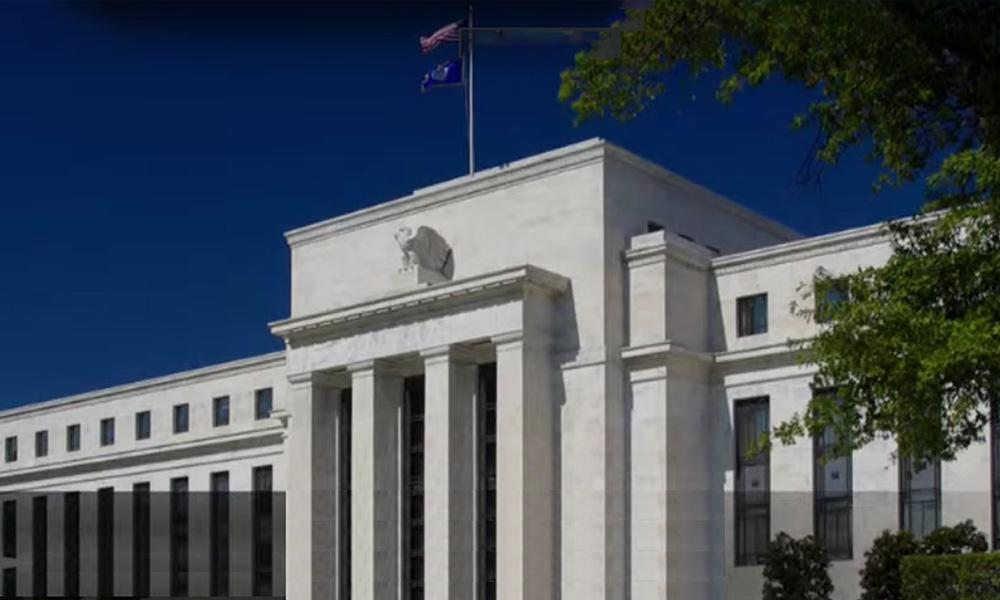
The U.S. Senate voted on Warsh's nomination to the Federal Reserve Board of Governors, passing the nomination with 51 votes in favor and 45 against, clearing a key hurdle for his appointment as Fed Chair. The vote was markedly partisan, with the vast majority of Republican senators voting in favor and the majority of Democrats opposing. Only Pennsylvania Democratic Senator John Fetterman crossed party lines to support President Trump's nominee, Warsh.
This is not Warsh's first time serving on the Federal Reserve Board; he served as a Fed governor from 2006 to 2011, possessing extensive experience in central bank administration. Following his nomination to the board, the next step will be a vote on the position of Fed chair, scheduled for May 13th local time (May 14th Beijing time). According to Fed rules, governors serve 14-year terms, while the chair serves 4-year terms. If Warsh is elected chair, he will guide the Fed's monetary policy direction for the next four years.
This vote also signifies the official end of Stephen Miran's short term on the Federal Reserve Board of Governors. Miran, also nominated by Trump, was to succeed Adriana Kugler in August 2025 after her resignation. With Warsh's election, Miran will officially step down.
If Warsh successfully passes the chairmanship vote on May 14th (Beijing time), the 56-year-old will officially succeed Jerome Powell as Chairman of the Federal Reserve. Powell has led the Fed for eight years, and his term as chairman will officially end on May 15th, but his term as a member of the Federal Reserve Board of Governors will continue until 2028.
Powell has made it clear that he will remain on the board of governor until the investigation into the Federal Reserve headquarters renovation project is completed, and will not leave the Fed immediately. This means that in the short term, the Fed will see a situation of "transition between the old and new chairs, with Powell remaining on the board," which may have some impact on policy continuity, but also provides some transitional space for Warsh's policy implementation in the early stages of his tenure.
The Federal Reserve, about to be taken over by Warsh, is at a critical crossroads in its policy decisions. Multiple challenges, including the Iran war, high inflation, and diverging market expectations, are significantly increasing the difficulty of implementing its policies. Currently, the ongoing Iran war and the tariffs imposed by the Trump administration last year have jointly pushed US inflation to its highest level in nearly three years, with persistently high inflationary pressures becoming a core constraint on the Fed's policy-making.
Meanwhile, the US labor market presents a unique situation: a "low hiring, low layoffs" environment has kept the unemployment rate within a manageable range, but job growth is unstable and the economic recovery lacks momentum. This combination of "high inflation + weak recovery" has put the Federal Reserve in a dilemma between "controlling inflation" and "stabilizing growth."
More importantly, Warsh's policy proposals diverge significantly from market expectations. In numerous public statements, Warsh explicitly called for "mechanismic reform" at the Federal Reserve and argued that there is room for a reduction in the current benchmark interest rate, a stance highly consistent with Trump's call for rate cuts. However, the market anticipates the opposite, widely believing that the Fed will maintain current interest rates, or even pricing in a high probability of a rate hike before the end of the year. This divergence in expectations will be one of the primary challenges Warsh will face upon taking office.
Although Warsh's appointment as chairman still requires a final round of voting confirmation, the market has already begun to anticipate his policy moves, with focus concentrated on the Federal Open Market Committee (FOMC) meeting on June 16-17. This will be the first key interest rate meeting held by the Federal Reserve if Warsh is elected chairman, and his policy statements will directly impact the global dollar exchange rate, stock market, and commodity markets.
The market generally believes that after Warsh takes office, he will most likely try to push forward his proposal to cut interest rates, but the reality of high inflation will make it difficult to implement quickly. In the short term, the Federal Reserve may keep interest rates unchanged and gradually adjust its policy direction to balance the relationship between inflation and economic growth.
Kevin Warsh's successful election to the Senate Board of Governors marks a decisive step towards becoming the Chairman of the Federal Reserve. If the subsequent election for Chairman goes smoothly, it will officially usher in the "Warsh era" at the Fed. However, he will face multiple challenges upon taking office, including high inflation, divergent market expectations, and political divisions. Whether Warsh can find a balance between adhering to his own interest rate cuts and addressing inflationary pressures will be crucial to his success in the early stages of his term.
Looking ahead, with the June interest rate meeting approaching and the policy adjustments made after Warsh officially takes office, global financial markets will continue to focus on the Federal Reserve's moves, and its policy choices will profoundly affect the global economic and financial landscape.
Warsh will face a vote on his appointment as the new central bank chairman on May 14th (Beijing time). If elected, he will succeed Jerome Powell on May 15th, becoming the head of the world's most influential central bank. However, against the backdrop of rising inflation due to the Iran war and increasing market expectations for interest rate hikes, Warsh, who has publicly called for interest rate cuts and advocated for "mechanism reform" within the Federal Reserve, will face multiple policy dilemmas upon taking office. Whether his policy proposals can be implemented has become a core focus of attention in global financial markets.
Warsh successfully passed the Senate vote, bringing him one step closer to becoming the Federal Reserve Chairman.
The U.S. Senate voted on Warsh's nomination to the Federal Reserve Board of Governors, passing the nomination with 51 votes in favor and 45 against, clearing a key hurdle for his appointment as Fed Chair. The vote was markedly partisan, with the vast majority of Republican senators voting in favor and the majority of Democrats opposing. Only Pennsylvania Democratic Senator John Fetterman crossed party lines to support President Trump's nominee, Warsh.
This is not Warsh's first time serving on the Federal Reserve Board; he served as a Fed governor from 2006 to 2011, possessing extensive experience in central bank administration. Following his nomination to the board, the next step will be a vote on the position of Fed chair, scheduled for May 13th local time (May 14th Beijing time). According to Fed rules, governors serve 14-year terms, while the chair serves 4-year terms. If Warsh is elected chair, he will guide the Fed's monetary policy direction for the next four years.
This vote also signifies the official end of Stephen Miran's short term on the Federal Reserve Board of Governors. Miran, also nominated by Trump, was to succeed Adriana Kugler in August 2025 after her resignation. With Warsh's election, Miran will officially step down.
With the handover imminent, Powell will remain on the board until the investigation concludes.
If Warsh successfully passes the chairmanship vote on May 14th (Beijing time), the 56-year-old will officially succeed Jerome Powell as Chairman of the Federal Reserve. Powell has led the Fed for eight years, and his term as chairman will officially end on May 15th, but his term as a member of the Federal Reserve Board of Governors will continue until 2028.
Powell has made it clear that he will remain on the board of governor until the investigation into the Federal Reserve headquarters renovation project is completed, and will not leave the Fed immediately. This means that in the short term, the Fed will see a situation of "transition between the old and new chairs, with Powell remaining on the board," which may have some impact on policy continuity, but also provides some transitional space for Warsh's policy implementation in the early stages of his tenure.
Walsh faces a tough battle upon taking office, confronting a triple policy dilemma.
The Federal Reserve, about to be taken over by Warsh, is at a critical crossroads in its policy decisions. Multiple challenges, including the Iran war, high inflation, and diverging market expectations, are significantly increasing the difficulty of implementing its policies. Currently, the ongoing Iran war and the tariffs imposed by the Trump administration last year have jointly pushed US inflation to its highest level in nearly three years, with persistently high inflationary pressures becoming a core constraint on the Fed's policy-making.
Meanwhile, the US labor market presents a unique situation: a "low hiring, low layoffs" environment has kept the unemployment rate within a manageable range, but job growth is unstable and the economic recovery lacks momentum. This combination of "high inflation + weak recovery" has put the Federal Reserve in a dilemma between "controlling inflation" and "stabilizing growth."
More importantly, Warsh's policy proposals diverge significantly from market expectations. In numerous public statements, Warsh explicitly called for "mechanismic reform" at the Federal Reserve and argued that there is room for a reduction in the current benchmark interest rate, a stance highly consistent with Trump's call for rate cuts. However, the market anticipates the opposite, widely believing that the Fed will maintain current interest rates, or even pricing in a high probability of a rate hike before the end of the year. This divergence in expectations will be one of the primary challenges Warsh will face upon taking office.
The market is focused on the policy direction of the June interest rate meeting, which will be key.
Although Warsh's appointment as chairman still requires a final round of voting confirmation, the market has already begun to anticipate his policy moves, with focus concentrated on the Federal Open Market Committee (FOMC) meeting on June 16-17. This will be the first key interest rate meeting held by the Federal Reserve if Warsh is elected chairman, and his policy statements will directly impact the global dollar exchange rate, stock market, and commodity markets.
The market generally believes that after Warsh takes office, he will most likely try to push forward his proposal to cut interest rates, but the reality of high inflation will make it difficult to implement quickly. In the short term, the Federal Reserve may keep interest rates unchanged and gradually adjust its policy direction to balance the relationship between inflation and economic growth.
Summarize
Kevin Warsh's successful election to the Senate Board of Governors marks a decisive step towards becoming the Chairman of the Federal Reserve. If the subsequent election for Chairman goes smoothly, it will officially usher in the "Warsh era" at the Fed. However, he will face multiple challenges upon taking office, including high inflation, divergent market expectations, and political divisions. Whether Warsh can find a balance between adhering to his own interest rate cuts and addressing inflationary pressures will be crucial to his success in the early stages of his term.
Looking ahead, with the June interest rate meeting approaching and the policy adjustments made after Warsh officially takes office, global financial markets will continue to focus on the Federal Reserve's moves, and its policy choices will profoundly affect the global economic and financial landscape.
- Risk Warning and Disclaimer
- The market involves risk, and trading may not be suitable for all investors. This article is for reference only and does not constitute personal investment advice, nor does it take into account certain users’ specific investment objectives, financial situation, or other needs. Any investment decisions made based on this information are at your own risk.