Trump's comments on his "financial situation" drew criticism, prompting Vance to issue an urgent clarification; institutions predict oil prices are unlikely to fall in the short term.
2026-05-14 13:37:19
After President Trump drew criticism for saying he was "not driven by Americans' finances" to reach a deal to end the war with Iran, Vice President Vance acknowledged on Wednesday (May 13) that the Trump administration "has a lot of work to do" on the economy. The war with Iran has caused energy costs to soar, with the latest inflation report showing that soaring gasoline prices have pushed inflation to its highest level in three years.
Vance stated, "I want to tell the American people that we know there is still a lot of work to be done to deliver the prosperity that the American people deserve. The president is very clear about this, and I am very clear about it too. We have been discussing this issue."
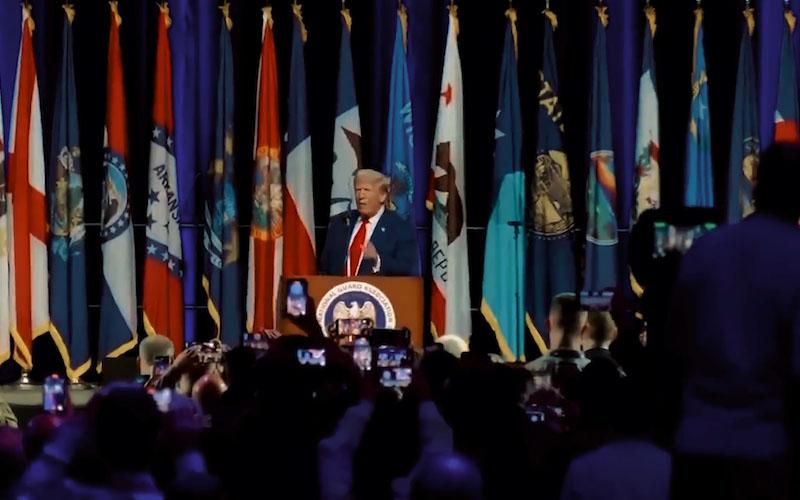
Regarding Trump's statement on Tuesday as he departed for China, "I don't think about the finances of Americans. I don't think about anyone. I only think about one thing: We can't let Iran have nuclear weapons. That's all," Vance responded, "I don't think the president said that. I think that's a misinterpretation of the president's remarks." Vance also emphasized that he agrees with Trump's view that Iran should not have nuclear weapons and stated that the president and the current administration "care about the economic situation of the American people."
Trump's statement that he "doesn't consider Americans' financial situation" quickly drew criticism from Democrats. Just a day before Vance made these remarks, the latest inflation report showed that the inflation rate had risen to its highest level since May 2023. While Vance acknowledged that the government "has a lot of work to do" in economic development, he still blamed the Biden administration. However, most Americans associate economic problems with Trump—the latest polls show that 70% of Americans disapprove of Trump's handling of the economy.
House Speaker Boris Johnson also attempted to downplay Trump's remarks on Wednesday. "I don't know the context of his statement, but I can tell you that the president is thinking about the financial situation of Americans. I speak with him an average of two times a day, sometimes three or four times, and we've been discussing this issue," Johnson said on Capitol Hill.
Johnson emphasized that Trump is "highly focused on resolving the Iran conflict" because the reopening of the Strait of Hormuz would significantly alleviate pressure on gasoline prices and the economy. Johnson acknowledged that legislation is not the only factor affecting affordability for Americans, and the Iran war "has dealt a significant blow" to it. Currently, the average price of gasoline across the US has exceeded $4.51 per gallon. Johnson expressed optimism about falling oil prices and stable inflation, provided the Iran conflict is resolved, and reiterated that Trump is "highly focused on this."
Overall, Vance and Johnson's responses reflect the political dilemma facing the Trump administration amid high inflation and soaring oil prices. On the one hand, the Iran war has driven up energy costs, pushing inflation to a three-year high, with 70% of the public disapproving of Trump's economic handling. On the other hand, the administration is attempting to link economic issues with its Middle East strategy, emphasizing that resolving the Strait of Hormuz issue is key to alleviating inflation. However, Trump's remarks that he "doesn't consider Americans' financial situation" have already caused political damage, and the partisan battle over economic issues will intensify further as the midterm elections approach.
Johnson's explicit linking of inflation to the Strait of Hormuz has heightened market sensitivity to the situation in the Middle East. Currently, WTI crude oil is fluctuating between $100 and $105, with the IEA warning of the "worst supply crisis in history"—more than 14 million barrels of crude oil per day unable to be produced. If the meeting between the leaders of China and the US releases any signs of easing tensions (such as hints of resuming navigation in the Strait of Hormuz), oil prices may experience a rapid correction; conversely, if tensions remain high, oil prices will continue to operate at high levels.
It is worth noting that analysts at Societe Generale clearly pointed out in their latest report that even if the Strait of Hormuz reopens, oil prices will not fall immediately because the market faces a core issue: the actual easing of the situation in the end market will lag behind the “reopening” news in the headlines by several weeks.
Societe Generale's analysis is based on a "dual supply shock" model. Once the Straits of Hormuz reopen, two streams of crude oil will simultaneously flood the market: first, "stuck crude oil" unable to move due to transportation and insurance restrictions; and second, production capacity unable to be released due to the OPEC+ production cut agreement. The UAE will undoubtedly accelerate production, while Saudi Arabia faces a strategic choice—whether to maintain the overall production cut agreement or respond defensively with its own increased production.
However, the key issue is not "how much oil," but "how long it will take to deliver it." Societe Generale emphasizes that the immediate bottleneck is not production capacity, but logistics: fully loaded tankers are queuing on both sides of the strait, and restarting facilities in the Gulf region will not be a quick process. Safety checks, system verification, gradual production increases, and the reactivation of ground infrastructure mean that restoring nominal production will take weeks to months—Kuwait has even stated that even in the best-case political situation, it will take three to four months.
Therefore, Societe Generale has calculated a critical time window: 45-50 days from the reopening of the Straits to substantial relief in the end-market, and in a more conservative scenario, this could extend to over 60 days. The baseline scenario assumes a reopening in mid-May (e.g., the 15th), with tanker normalization continuing until June 24th; the worst-case scenario postpones it to July 5th.
This means that prices will react immediately to the news of reopening (a rapid drop), but the actual improvement in supply and demand balance will take much longer—this "timing mismatch" is the core risk facing policymakers and the market. For short-term traders, attempting to short crude oil immediately after the news of reopening may result in the awkward situation of "the news has already caused the price drop, but the oil hasn't even arrived yet."
As of press time, US crude oil futures were trading around $101.50 per barrel. Oil prices have surged from around $60 at the end of February and are currently consolidating in the high-level range.
At 13:36 Beijing time, US crude oil is currently trading at $101.72 per barrel.
Vance: Trump's remarks were misinterpreted
Vance stated, "I want to tell the American people that we know there is still a lot of work to be done to deliver the prosperity that the American people deserve. The president is very clear about this, and I am very clear about it too. We have been discussing this issue."
Regarding Trump's statement on Tuesday as he departed for China, "I don't think about the finances of Americans. I don't think about anyone. I only think about one thing: We can't let Iran have nuclear weapons. That's all," Vance responded, "I don't think the president said that. I think that's a misinterpretation of the president's remarks." Vance also emphasized that he agrees with Trump's view that Iran should not have nuclear weapons and stated that the president and the current administration "care about the economic situation of the American people."
Trump's remarks drew criticism from Democrats, while inflation data hit a record high.
Trump's statement that he "doesn't consider Americans' financial situation" quickly drew criticism from Democrats. Just a day before Vance made these remarks, the latest inflation report showed that the inflation rate had risen to its highest level since May 2023. While Vance acknowledged that the government "has a lot of work to do" in economic development, he still blamed the Biden administration. However, most Americans associate economic problems with Trump—the latest polls show that 70% of Americans disapprove of Trump's handling of the economy.
Johnson tries to quell the conflict: Trump is "highly focused" on resolving the Iran conflict.
House Speaker Boris Johnson also attempted to downplay Trump's remarks on Wednesday. "I don't know the context of his statement, but I can tell you that the president is thinking about the financial situation of Americans. I speak with him an average of two times a day, sometimes three or four times, and we've been discussing this issue," Johnson said on Capitol Hill.
Johnson emphasized that Trump is "highly focused on resolving the Iran conflict" because the reopening of the Strait of Hormuz would significantly alleviate pressure on gasoline prices and the economy. Johnson acknowledged that legislation is not the only factor affecting affordability for Americans, and the Iran war "has dealt a significant blow" to it. Currently, the average price of gasoline across the US has exceeded $4.51 per gallon. Johnson expressed optimism about falling oil prices and stable inflation, provided the Iran conflict is resolved, and reiterated that Trump is "highly focused on this."
Economic difficulties and Middle East conflicts intertwine, posing a double challenge to the Trump administration.
Overall, Vance and Johnson's responses reflect the political dilemma facing the Trump administration amid high inflation and soaring oil prices. On the one hand, the Iran war has driven up energy costs, pushing inflation to a three-year high, with 70% of the public disapproving of Trump's economic handling. On the other hand, the administration is attempting to link economic issues with its Middle East strategy, emphasizing that resolving the Strait of Hormuz issue is key to alleviating inflation. However, Trump's remarks that he "doesn't consider Americans' financial situation" have already caused political damage, and the partisan battle over economic issues will intensify further as the midterm elections approach.
Will oil prices drop if the lockdown in Hormuz is lifted? Societe Generale says not necessarily.
Johnson's explicit linking of inflation to the Strait of Hormuz has heightened market sensitivity to the situation in the Middle East. Currently, WTI crude oil is fluctuating between $100 and $105, with the IEA warning of the "worst supply crisis in history"—more than 14 million barrels of crude oil per day unable to be produced. If the meeting between the leaders of China and the US releases any signs of easing tensions (such as hints of resuming navigation in the Strait of Hormuz), oil prices may experience a rapid correction; conversely, if tensions remain high, oil prices will continue to operate at high levels.
It is worth noting that analysts at Societe Generale clearly pointed out in their latest report that even if the Strait of Hormuz reopens, oil prices will not fall immediately because the market faces a core issue: the actual easing of the situation in the end market will lag behind the “reopening” news in the headlines by several weeks.
Societe Generale's analysis is based on a "dual supply shock" model. Once the Straits of Hormuz reopen, two streams of crude oil will simultaneously flood the market: first, "stuck crude oil" unable to move due to transportation and insurance restrictions; and second, production capacity unable to be released due to the OPEC+ production cut agreement. The UAE will undoubtedly accelerate production, while Saudi Arabia faces a strategic choice—whether to maintain the overall production cut agreement or respond defensively with its own increased production.
However, the key issue is not "how much oil," but "how long it will take to deliver it." Societe Generale emphasizes that the immediate bottleneck is not production capacity, but logistics: fully loaded tankers are queuing on both sides of the strait, and restarting facilities in the Gulf region will not be a quick process. Safety checks, system verification, gradual production increases, and the reactivation of ground infrastructure mean that restoring nominal production will take weeks to months—Kuwait has even stated that even in the best-case political situation, it will take three to four months.
Therefore, Societe Generale has calculated a critical time window: 45-50 days from the reopening of the Straits to substantial relief in the end-market, and in a more conservative scenario, this could extend to over 60 days. The baseline scenario assumes a reopening in mid-May (e.g., the 15th), with tanker normalization continuing until June 24th; the worst-case scenario postpones it to July 5th.
This means that prices will react immediately to the news of reopening (a rapid drop), but the actual improvement in supply and demand balance will take much longer—this "timing mismatch" is the core risk facing policymakers and the market. For short-term traders, attempting to short crude oil immediately after the news of reopening may result in the awkward situation of "the news has already caused the price drop, but the oil hasn't even arrived yet."
As of press time, US crude oil futures were trading around $101.50 per barrel. Oil prices have surged from around $60 at the end of February and are currently consolidating in the high-level range.
At 13:36 Beijing time, US crude oil is currently trading at $101.72 per barrel.
- Risk Warning and Disclaimer
- The market involves risk, and trading may not be suitable for all investors. This article is for reference only and does not constitute personal investment advice, nor does it take into account certain users’ specific investment objectives, financial situation, or other needs. Any investment decisions made based on this information are at your own risk.