Hidden Traps Behind Soaring Oil Prices: Can Bonds Really Protect Purchasing Power? Understand These 3 Layers of Logic Before Entering the Market.
2026-05-15 17:33:40
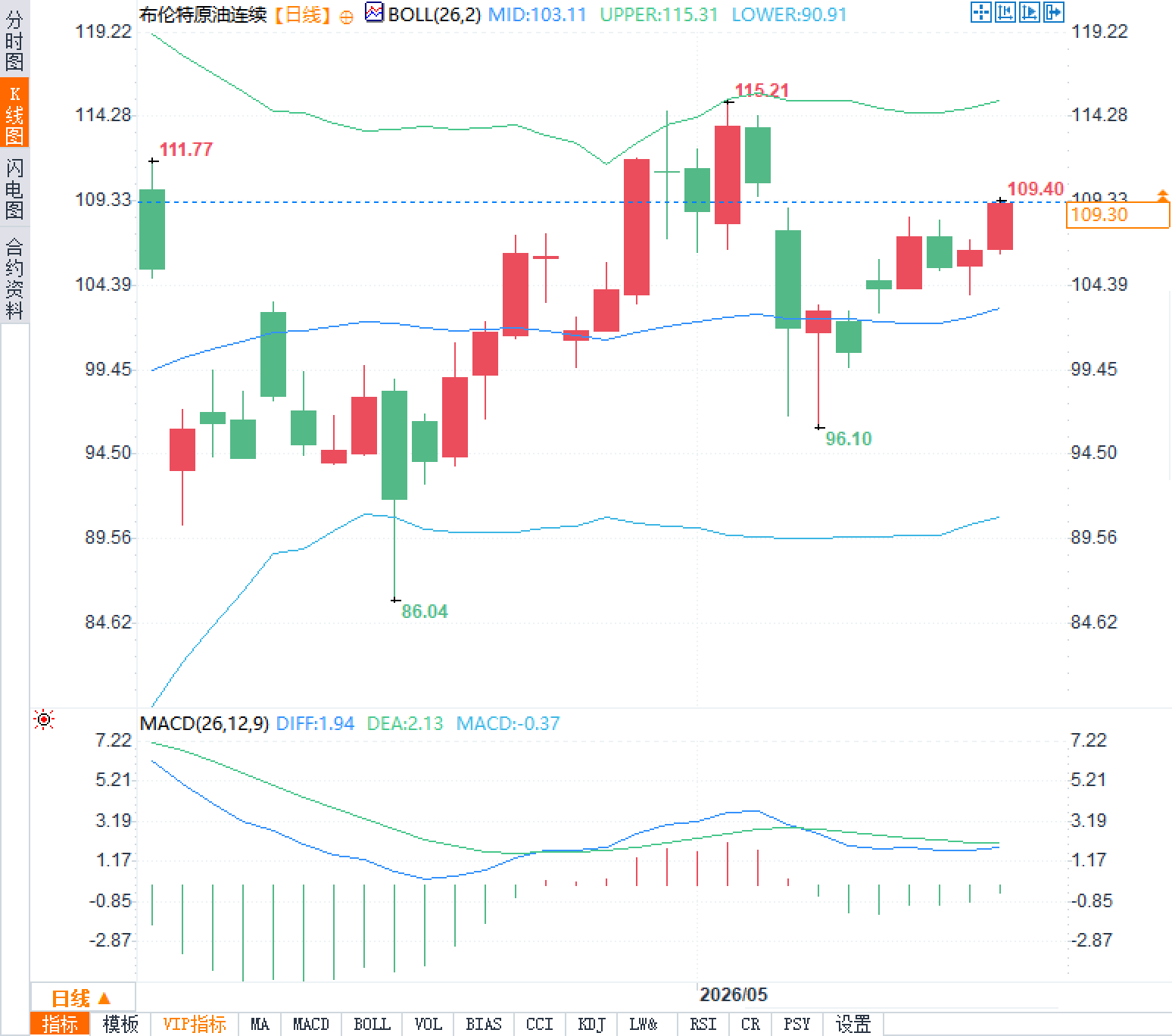
On Friday, May 15th, the Middle East conflict led to a sharp rise in energy prices, severely disrupting global crude oil supplies. Benchmark prices, such as Brent crude, rose significantly, fueling market concerns about inflationary pressures. Investors began to re-examine inflation-linked bonds, with their protective mechanism in a rapidly rising price environment once again becoming a focus of attention. Currently, global economic growth is expected to slow to around 3%, inflation trends are diverging, and the impact of energy cost shocks coupled with geopolitical factors has created greater uncertainty in bond market pricing.

The biggest difference between inflation-linked bonds and traditional fixed-income bonds is that the principal and interest are adjusted according to a clearly defined consumer price index. This means that when inflation rises, the principal is adjusted upwards, and interest payments increase accordingly, thus theoretically protecting the holder's real purchasing power. Similar effects can be achieved through corporate-issued linked loans or swap instruments, transforming fixed payments into inflation-adjusted payments.
Unlike ordinary bonds that pay a fixed return, the real yield of bond-linked bonds is a core variable in market trading. It reflects the level of return after adjusting for inflation. During periods of rising inflation expectations driven by energy prices, traders often focus on the break-even inflation rate, which is the difference between the yield of bond-linked bonds and the yield of nominal bonds. This indicator implies the market's expectations for future inflation. If actual inflation is higher than this break-even rate, bond-linked bonds typically perform better.
However, this mechanism is not entirely reliable. During the surge in inflation following the Russia-Ukraine conflict in 2022, the prices of linked bonds still fell significantly, primarily because capital losses from rising real yields outweighed the cumulative gains adjusted for inflation. Long-term bonds are particularly sensitive to small changes in real yields, highlighting the importance of managing duration risk.
The main advantage of governments and corporations issuing inflation-linked bonds is that they can finance at a lower nominal coupon rate without additional compensation to investors for the inflation risk they bear. If inflation ultimately falls short of market expectations, the issuance cost becomes even more attractive. For sectors whose profits are highly correlated with consumer prices, such as utilities, this instrument also provides a natural hedge: as income rises with inflation, the debt interest burden increases accordingly, and vice versa.
Global non-financial corporations have issued over $190 billion in inflation-linked bonds, with UK and Brazilian issuers accounting for more than half, but still representing less than 2% of the global investment-grade corporate bond market. This size reflects some instrumental characteristics, but also implies relatively limited liquidity, which could amplify volatility during periods of stress.
The following is a simplified comparison table of issuances in major markets:
The UK has been issuing index-linked gilt bonds since the 1980s, with outstanding bonds reaching approximately £688.5 billion by the end of 2025, accounting for 25.2% of its wholesale debt portfolio—the highest proportion among the G7 countries. Brazil is the second-largest issuer after the US, with most of its bonds linked to the official IPCA index, and some infrastructure bonds exempt from taxation for individual investors.
The core risks facing inflation-linked bonds include volatility in real yields, index selection bias, and insufficient liquidity. Their long-term nature makes their prices highly sensitive to changes in real interest rates; even as inflation adjustments accumulate gradually, it is difficult to fully offset valuation losses caused by rising short-term yields.
The UK case offers a crucial warning. In 2022, over half of the debt of privatized water companies was linked to inflation, with most using the older Retail Price Index (RPI), which rose faster than overall inflation. While customer water bills increased with inflation, the increase was insufficient to cover the surge in debt interest, ultimately leading industry regulators to negotiate with creditors to prevent the collapse of giants like Thames Water. The government even briefly considered partial nationalization. This demonstrates that while linking revenue and costs can be effective, it can amplify financial stress when regulations lag or the index is mismatched.
Bonds linked to inflation may perform differently than intuitively suggest when inflation expectations change abruptly. A projected 24% annual increase in energy prices will test the actual protective effectiveness of these instruments, especially against the backdrop of persistent supply shocks.
Question 1: Given the sharp rise in energy prices, are inflation-linked bonds necessarily better than traditional bonds?
A: Not absolutely. While index-linked bonds offer protection for principal and interest adjusted for inflation, their prices are still primarily driven by real yields. If market tightening pushes up real interest rates, capital losses could exceed inflation-adjusted gains. Traders should focus on monitoring the divergence between the breakeven inflation rate and the actual inflation path, rather than simply chasing nominal protection. Historical data shows that index-linked bonds still experienced significant corrections during the 2022 inflation peak, highlighting the critical importance of duration management and timing.
Question 2: What impact do the high proportion of bond-linked debt in markets like the UK have on public finances?
A: With approximately 25% of UK public finances tied to gilt-edged bonds, public finances are more sensitive to inflation shocks. While rising inflation reduces the real debt burden, increased interest payments directly push up current fiscal spending. In the current energy-driven inflation environment, this structure amplifies budget volatility. Traders need to pay attention to adjustments in the Debt Management Office's issuance strategy, such as changes in maturity distribution, as these will affect market supply and demand dynamics.
The core mechanism and operating logic of inflation-linked bonds
The biggest difference between inflation-linked bonds and traditional fixed-income bonds is that the principal and interest are adjusted according to a clearly defined consumer price index. This means that when inflation rises, the principal is adjusted upwards, and interest payments increase accordingly, thus theoretically protecting the holder's real purchasing power. Similar effects can be achieved through corporate-issued linked loans or swap instruments, transforming fixed payments into inflation-adjusted payments.
Unlike ordinary bonds that pay a fixed return, the real yield of bond-linked bonds is a core variable in market trading. It reflects the level of return after adjusting for inflation. During periods of rising inflation expectations driven by energy prices, traders often focus on the break-even inflation rate, which is the difference between the yield of bond-linked bonds and the yield of nominal bonds. This indicator implies the market's expectations for future inflation. If actual inflation is higher than this break-even rate, bond-linked bonds typically perform better.
However, this mechanism is not entirely reliable. During the surge in inflation following the Russia-Ukraine conflict in 2022, the prices of linked bonds still fell significantly, primarily because capital losses from rising real yields outweighed the cumulative gains adjusted for inflation. Long-term bonds are particularly sensitive to small changes in real yields, highlighting the importance of managing duration risk.
Issuer Motivations and Global Market Overview
The main advantage of governments and corporations issuing inflation-linked bonds is that they can finance at a lower nominal coupon rate without additional compensation to investors for the inflation risk they bear. If inflation ultimately falls short of market expectations, the issuance cost becomes even more attractive. For sectors whose profits are highly correlated with consumer prices, such as utilities, this instrument also provides a natural hedge: as income rises with inflation, the debt interest burden increases accordingly, and vice versa.
Global non-financial corporations have issued over $190 billion in inflation-linked bonds, with UK and Brazilian issuers accounting for more than half, but still representing less than 2% of the global investment-grade corporate bond market. This size reflects some instrumental characteristics, but also implies relatively limited liquidity, which could amplify volatility during periods of stress.
The following is a simplified comparison table of issuances in major markets:
| area | Existing stock size (approximately) | Ratio of government debt | Main features |
|---|---|---|---|
| U.K. | £688.5 billion (end of 2025) | Approximately 25% | Highest proportion among G7 countries, driven by pension demand. |
| Brazil | The world's second largest issuer | Significant | Historical high inflation experience, IPCA index linked |
Key Risks and Historical Lessons
The core risks facing inflation-linked bonds include volatility in real yields, index selection bias, and insufficient liquidity. Their long-term nature makes their prices highly sensitive to changes in real interest rates; even as inflation adjustments accumulate gradually, it is difficult to fully offset valuation losses caused by rising short-term yields.
The UK case offers a crucial warning. In 2022, over half of the debt of privatized water companies was linked to inflation, with most using the older Retail Price Index (RPI), which rose faster than overall inflation. While customer water bills increased with inflation, the increase was insufficient to cover the surge in debt interest, ultimately leading industry regulators to negotiate with creditors to prevent the collapse of giants like Thames Water. The government even briefly considered partial nationalization. This demonstrates that while linking revenue and costs can be effective, it can amplify financial stress when regulations lag or the index is mismatched.
Bonds linked to inflation may perform differently than intuitively suggest when inflation expectations change abruptly. A projected 24% annual increase in energy prices will test the actual protective effectiveness of these instruments, especially against the backdrop of persistent supply shocks.
Frequently Asked Questions
Question 1: Given the sharp rise in energy prices, are inflation-linked bonds necessarily better than traditional bonds?
A: Not absolutely. While index-linked bonds offer protection for principal and interest adjusted for inflation, their prices are still primarily driven by real yields. If market tightening pushes up real interest rates, capital losses could exceed inflation-adjusted gains. Traders should focus on monitoring the divergence between the breakeven inflation rate and the actual inflation path, rather than simply chasing nominal protection. Historical data shows that index-linked bonds still experienced significant corrections during the 2022 inflation peak, highlighting the critical importance of duration management and timing.
Question 2: What impact do the high proportion of bond-linked debt in markets like the UK have on public finances?
A: With approximately 25% of UK public finances tied to gilt-edged bonds, public finances are more sensitive to inflation shocks. While rising inflation reduces the real debt burden, increased interest payments directly push up current fiscal spending. In the current energy-driven inflation environment, this structure amplifies budget volatility. Traders need to pay attention to adjustments in the Debt Management Office's issuance strategy, such as changes in maturity distribution, as these will affect market supply and demand dynamics.
- Risk Warning and Disclaimer
- The market involves risk, and trading may not be suitable for all investors. This article is for reference only and does not constitute personal investment advice, nor does it take into account certain users’ specific investment objectives, financial situation, or other needs. Any investment decisions made based on this information are at your own risk.