Japan's intervention in data countdown: Will the 10 trillion yen be "worth it"?
2026-05-29 16:51:53
The USD/JPY pair traded in a narrow range on Friday (May 29), hovering around 159.30, having remained near this level for several consecutive trading days. Furthermore, it has largely retraced most of the gains made following interventions in late April and early May.
As the exchange rate enters a narrow range of fluctuation, market attention is focused on the upcoming release of intervention data from Japan's Ministry of Finance.
Japan's Ministry of Finance will release intervention data for the period from April 28 to May 27 at 18:00 Beijing time on Friday. Media analysis suggests that Japan may have used as much as 10 trillion yen (approximately US$63 billion) to support the yen between late April and early May. Finance Minister Katayama has reiterated that intervention will be carried out again if necessary, while US Treasury Secretary Bessenter described "excessive exchange rate volatility" as undesirable, which the market interpreted as tacit approval.
However, Goldman Sachs estimates that Japan has sufficient foreign exchange reserves (US$1.17 trillion at the end of April) to conduct approximately 30 more interventions of the same scale, but intervention alone cannot resolve the fundamental weakness of the yen—interest rate differentials, oil prices, and geopolitical risks remain the core driving factors. The market is currently pricing in an approximately 80% probability of a Bank of Japan rate hike in June.
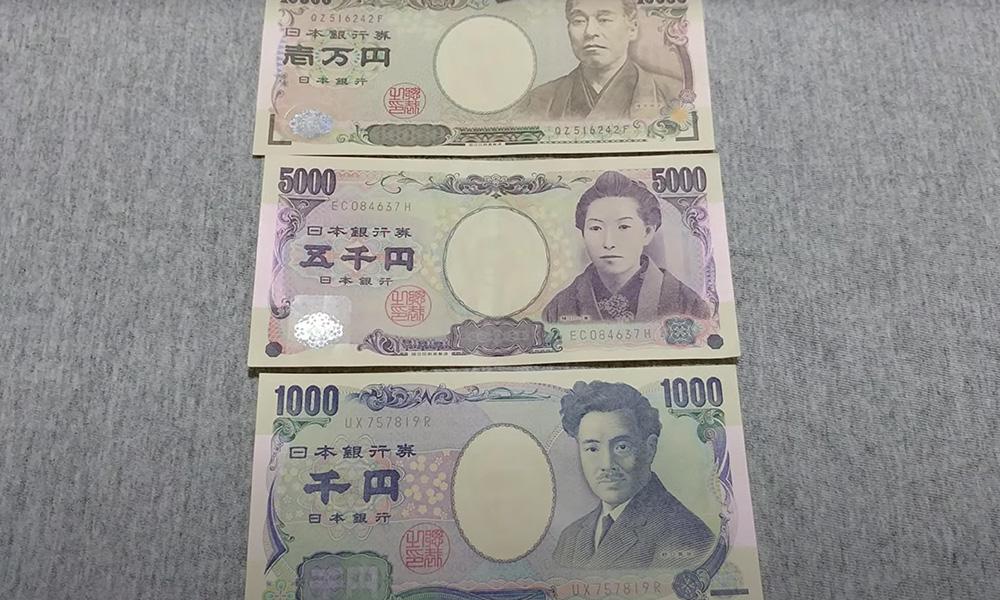
Official data will show the total amount of intervention, but will not provide daily details—more detailed data will not be released until August. Traders will still look for clues in the overall data to determine whether the Ministry of Finance conducted small-scale tactical operations during the yen's strengthening in May.
The interpretation of this data is quite nuanced: if the total intervention amount significantly exceeds 10 trillion yen, while it could highlight the policy's resolve, it might also raise questions about the "ineffectiveness of the intervention," given that the exchange rate has largely given back its gains. If the data is lower, it might mean that Japan has adopted a more selective "warning" intervention strategy, but this would raise the question: why do small-scale operations seem to have failed to produce a lasting market impact?
It is noteworthy that Finance Minister Katayama has recently remained "significantly silent" on exchange rates.
Analysts point out that this pattern mirrors the "quiet period" before the sharp decline in the USD/JPY exchange rate after breaking through 160 at the end of April. She had previously reiterated that she would take action if necessary.
U.S. Treasury Secretary Bessant described "excessive currency volatility" as undesirable, a statement widely interpreted by the market as tacit approval from the U.S. of Japan's recent market operations. This "green light" from Washington provides Tokyo with greater policy space.
The structural problem facing Tokyo is that the forces driving the yen's weakness remain robust. The Bank of Japan kept interest rates unchanged last month, and the large interest rate differential between Japan and the US continues to exert significant pressure on the yen.
Goldman Sachs estimates that Japan has enough foreign exchange reserves (US$1.17 trillion at the end of April) to carry out about 30 more interventions of the same scale, but expects the authorities to use this "ammunition" cautiously.
Goldman Sachs also pointed out that intervention alone cannot solve the fundamentals-driven exchange rate trend.
One strategist described foreign exchange intervention as a “bridge rather than a solution,” arguing that a sustained recovery for the yen ultimately requires a confluence of factors—including geopolitical stability, energy price normalization, and a shift in the Federal Reserve’s policy path, none of which have yet materialized.
The market is currently pricing in an 80% probability of a Bank of Japan rate hike in June, which constitutes the most credible support for the yen in the short term. However, intervention is widely seen as a "delaying tactic" rather than a structural solution until the Japan-US interest rate differential narrows substantially.
The International Monetary Fund's guidelines have added additional constraints to the extent of Tokyo's intervention.
According to Japanese finance ministry officials, the IMF considers three interventions within six months to be within the reasonable range for a "freely floating exchange rate regime." Exceeding this threshold, the IMF tends to reclassify the regime as a "normal float" rather than a "freely floating" one, a distinction that is of reputational and diplomatic importance to economies like Japan.
The 160 level is becoming a "real-time trigger." Finance Minister Katayama's recent silence on the exchange rate is consistent with the pattern before the intervention at the end of April. A paradoxical phenomenon is that if the confirmed intervention figure is significantly higher than 10 trillion yen, it might further weaken the yen because the market believes that "spending money failed to hold the line"; while a lower figure might indicate a "drip irrigation" tactical intervention, encouraging the market to continue testing this level. The Bank of Japan's June meeting is more crucial for the medium-term trend; before then, the yen will continue to tug-of-war between intervention expectations and fundamental pressures.
Analysis suggests that as much as 10 trillion yen (approximately US$63 billion) may have been used to support the yen from late April to early May, but the yen has largely given back the gains made after the intervention.
Finance Minister Katayama's recent "tactical silence" mirrors that before the intervention at the end of April, while US Treasury Secretary Bessenter's remarks have been interpreted as tacit approval. Goldman Sachs estimates that Japan has sufficient reserves to conduct approximately 30 more interventions of the same scale, but warns that intervention cannot resolve the yen's weakness driven by fundamentals such as interest rate differentials.
The market is currently pricing in an approximately 80% probability of a Bank of Japan rate hike in June, which may be a more credible support level. The 160 level has become a "real-time trigger," and IMF rules also constrain the frequency of interventions. Before the Japan-US interest rate differential narrows substantially, intervention is more of a delaying tactic than a structural solution.

(USD/JPY daily chart, source: FX678)
The USD/JPY daily chart shows that the price is generally in a long-term uptrend, currently consolidating around 159.279. The long-term moving average (MA200) continues to rise, and the pullback in early May found support at 155.025 (near the MA200), validating the trend's validity. The short-term moving averages (MA20, MA50, MA100) are converging, indicating a near balance between bullish and bearish forces, and the price is in a correction phase after the recent rise.
In terms of technical indicators, the RSI is in a neutral-to-bullish range and has not shown any overbought signals. The MACD indicator's DIFF is above the DEA, and the red bars continue, indicating that short-term bullish momentum remains. The key resistance level is the previous high of 160.46, while the support levels are 159.43 (previous high turned support) and 155.02 (medium-term trendline support).
Overall, the USD/JPY pair remains in a consolidation phase within an uptrend, with no clear reversal signal yet. The effectiveness of a breakout above the 160.467 resistance level or the support around 159.0 should be closely monitored.
At 16:22 Beijing time on May 29, the USD/JPY exchange rate was 159.25/26.
As the exchange rate enters a narrow range of fluctuation, market attention is focused on the upcoming release of intervention data from Japan's Ministry of Finance.
Japan's Ministry of Finance will release intervention data for the period from April 28 to May 27 at 18:00 Beijing time on Friday. Media analysis suggests that Japan may have used as much as 10 trillion yen (approximately US$63 billion) to support the yen between late April and early May. Finance Minister Katayama has reiterated that intervention will be carried out again if necessary, while US Treasury Secretary Bessenter described "excessive exchange rate volatility" as undesirable, which the market interpreted as tacit approval.
However, Goldman Sachs estimates that Japan has sufficient foreign exchange reserves (US$1.17 trillion at the end of April) to conduct approximately 30 more interventions of the same scale, but intervention alone cannot resolve the fundamental weakness of the yen—interest rate differentials, oil prices, and geopolitical risks remain the core driving factors. The market is currently pricing in an approximately 80% probability of a Bank of Japan rate hike in June.
Two sides to intervention data: Too high or too low is not good news
Official data will show the total amount of intervention, but will not provide daily details—more detailed data will not be released until August. Traders will still look for clues in the overall data to determine whether the Ministry of Finance conducted small-scale tactical operations during the yen's strengthening in May.
The interpretation of this data is quite nuanced: if the total intervention amount significantly exceeds 10 trillion yen, while it could highlight the policy's resolve, it might also raise questions about the "ineffectiveness of the intervention," given that the exchange rate has largely given back its gains. If the data is lower, it might mean that Japan has adopted a more selective "warning" intervention strategy, but this would raise the question: why do small-scale operations seem to have failed to produce a lasting market impact?
The Treasury Secretary's "tactical silence" signifies tacit approval of US intervention.
It is noteworthy that Finance Minister Katayama has recently remained "significantly silent" on exchange rates.
Analysts point out that this pattern mirrors the "quiet period" before the sharp decline in the USD/JPY exchange rate after breaking through 160 at the end of April. She had previously reiterated that she would take action if necessary.
U.S. Treasury Secretary Bessant described "excessive currency volatility" as undesirable, a statement widely interpreted by the market as tacit approval from the U.S. of Japan's recent market operations. This "green light" from Washington provides Tokyo with greater policy space.
Intervention only addresses the symptoms, not the root cause; fundamental factors such as interest rate spreads remain the dominant factors.
The structural problem facing Tokyo is that the forces driving the yen's weakness remain robust. The Bank of Japan kept interest rates unchanged last month, and the large interest rate differential between Japan and the US continues to exert significant pressure on the yen.
Goldman Sachs estimates that Japan has enough foreign exchange reserves (US$1.17 trillion at the end of April) to carry out about 30 more interventions of the same scale, but expects the authorities to use this "ammunition" cautiously.
Goldman Sachs also pointed out that intervention alone cannot solve the fundamentals-driven exchange rate trend.
With an approximately 80% probability of an interest rate hike in June, this could become a more credible support for the yen.
One strategist described foreign exchange intervention as a “bridge rather than a solution,” arguing that a sustained recovery for the yen ultimately requires a confluence of factors—including geopolitical stability, energy price normalization, and a shift in the Federal Reserve’s policy path, none of which have yet materialized.
The market is currently pricing in an 80% probability of a Bank of Japan rate hike in June, which constitutes the most credible support for the yen in the short term. However, intervention is widely seen as a "delaying tactic" rather than a structural solution until the Japan-US interest rate differential narrows substantially.
IMF Rules and the 160 Mark: The Yen's Dilemma Under Dual Constraints
The International Monetary Fund's guidelines have added additional constraints to the extent of Tokyo's intervention.
According to Japanese finance ministry officials, the IMF considers three interventions within six months to be within the reasonable range for a "freely floating exchange rate regime." Exceeding this threshold, the IMF tends to reclassify the regime as a "normal float" rather than a "freely floating" one, a distinction that is of reputational and diplomatic importance to economies like Japan.
The 160 level is becoming a "real-time trigger." Finance Minister Katayama's recent silence on the exchange rate is consistent with the pattern before the intervention at the end of April. A paradoxical phenomenon is that if the confirmed intervention figure is significantly higher than 10 trillion yen, it might further weaken the yen because the market believes that "spending money failed to hold the line"; while a lower figure might indicate a "drip irrigation" tactical intervention, encouraging the market to continue testing this level. The Bank of Japan's June meeting is more crucial for the medium-term trend; before then, the yen will continue to tug-of-war between intervention expectations and fundamental pressures.
Analysis suggests that as much as 10 trillion yen (approximately US$63 billion) may have been used to support the yen from late April to early May, but the yen has largely given back the gains made after the intervention.
Finance Minister Katayama's recent "tactical silence" mirrors that before the intervention at the end of April, while US Treasury Secretary Bessenter's remarks have been interpreted as tacit approval. Goldman Sachs estimates that Japan has sufficient reserves to conduct approximately 30 more interventions of the same scale, but warns that intervention cannot resolve the yen's weakness driven by fundamentals such as interest rate differentials.
The market is currently pricing in an approximately 80% probability of a Bank of Japan rate hike in June, which may be a more credible support level. The 160 level has become a "real-time trigger," and IMF rules also constrain the frequency of interventions. Before the Japan-US interest rate differential narrows substantially, intervention is more of a delaying tactic than a structural solution.
(USD/JPY daily chart, source: FX678)
The USD/JPY daily chart shows that the price is generally in a long-term uptrend, currently consolidating around 159.279. The long-term moving average (MA200) continues to rise, and the pullback in early May found support at 155.025 (near the MA200), validating the trend's validity. The short-term moving averages (MA20, MA50, MA100) are converging, indicating a near balance between bullish and bearish forces, and the price is in a correction phase after the recent rise.
In terms of technical indicators, the RSI is in a neutral-to-bullish range and has not shown any overbought signals. The MACD indicator's DIFF is above the DEA, and the red bars continue, indicating that short-term bullish momentum remains. The key resistance level is the previous high of 160.46, while the support levels are 159.43 (previous high turned support) and 155.02 (medium-term trendline support).
Overall, the USD/JPY pair remains in a consolidation phase within an uptrend, with no clear reversal signal yet. The effectiveness of a breakout above the 160.467 resistance level or the support around 159.0 should be closely monitored.
At 16:22 Beijing time on May 29, the USD/JPY exchange rate was 159.25/26.
- Risk Warning and Disclaimer
- The market involves risk, and trading may not be suitable for all investors. This article is for reference only and does not constitute personal investment advice, nor does it take into account certain users’ specific investment objectives, financial situation, or other needs. Any investment decisions made based on this information are at your own risk.