A senior Federal Reserve official has stated his opposition to following suit in raising interest rates, marking a major reversal in the logic of inflation.
2026-06-01 10:06:32
Amid persistently high inflation data in the United States and widespread market expectations that the Federal Reserve will tighten monetary policy, Fed officials have released drastically different policy signals.
Federal Reserve Governor Michelle Bowman publicly stated last Friday (May 29) that she opposes using interest rate hikes to address current energy-driven inflation, emphasizing that short-term energy shocks do not require aggressive intervention. Her statement not only corrected market expectations of a 2027 rate hike but also set the tone for the Fed's future monetary policy, highlighting the crucial impact of the Middle East situation on US inflation and policy.
Currently, the overall inflation level in the United States is significantly higher than the Federal Reserve's core control target of 2%, and the market's expectations for the Fed's monetary policy continue to tighten.
The prevailing market view is that the Federal Reserve will maintain its benchmark interest rate this year, and will most likely begin raising rates in early 2027. Based on real-time market pricing, the possibility of a Fed rate cut throughout 2027 has almost completely disappeared, and a tightening of monetary policy has become the mainstream market expectation, putting pressure on the overall financial market.
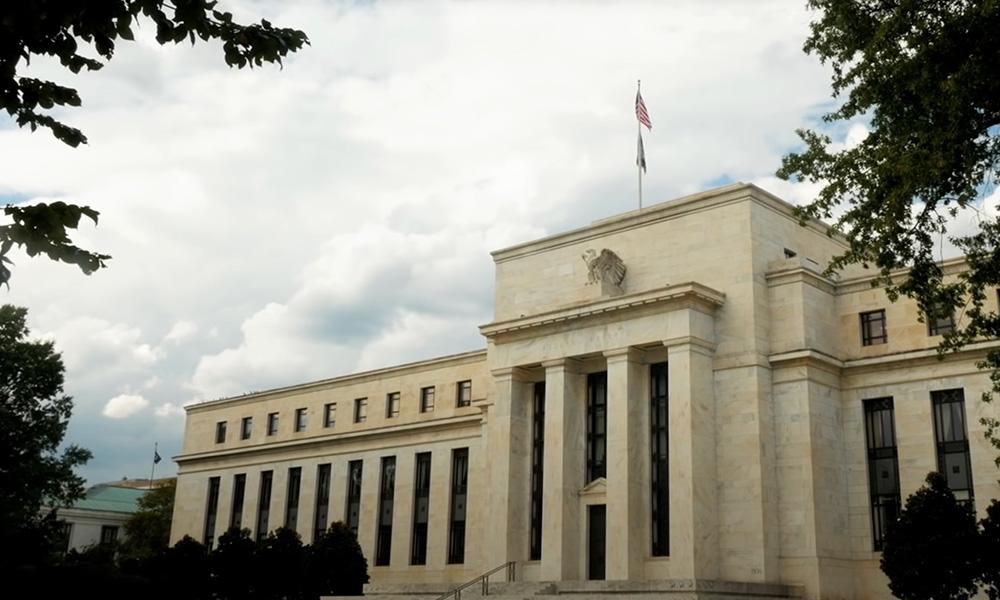
Against this market backdrop, Federal Reserve Governor Michelle Bowman offered a contrarian view, breaking with the market's consensus on policy.
Speaking at a professional conference in Reykjavik, Iceland, Bauman stated that past market experience has clearly demonstrated that using monetary policy adjustments to offset inflation caused by rising energy prices is unlikely to be effective. Raising interest rates to control short-term energy inflation would only create unnecessary pressure for policy tightening.
Bowman said, "A policy response to temporarily rising energy price inflation would impose excessive policy constraints, unnecessarily suppressing economic activity and dragging down the labor market." She added, drawing on relevant research, that the Federal Reserve should avoid aggressive monetary policy intervention in the face of temporary energy market shocks; excessive intervention could harm macroeconomic stability.
Key data released by the U.S. Department of Commerce confirms the structural characteristics of current inflation. As the Federal Reserve's core inflation anchor, the U.S. PCE rose 3.8% year-on-year in April. Excluding the highly volatile food and energy categories, core PCE rose 3.3% year-on-year, indicating that overall inflation remains high.
However, the optimized inflation data, after removing extreme volatility components, is already significantly closer to the Federal Reserve's target range. Specifically, the cut-off mean inflation index published by the Dallas Federal Reserve Bank showed a twelve-month increase of only 2.3%, clearly demonstrating that this round of inflation is not entirely out of control, with rising energy prices being the main disruptive factor.
Bowman's views are consistent with those of other Federal Reserve officials. She emphasized that the duration of the conflict related to Iran is a key variable influencing subsequent monetary policy. She stated that if the Middle East conflict continues to escalate and inflationary pressures worsen, she will reassess the market risk structure and adjust monetary policy accordingly. At the same time, she explicitly supports retaining the forward guidance from the Fed's latest meeting statement, maintaining the statement that "the next interest rate adjustment is still likely to be a rate cut."
It is understood that three members of the Federal Open Market Committee opposed the guidance, arguing that the wording was inconsistent with the current high-inflation market situation.
In summary, current US inflation exhibits distinct characteristics of being phased and energy-driven. There is a consensus within the Federal Reserve that it will not blindly raise interest rates to offset short-term geopolitical inflation. Although market expectations for a rate hike in 2027 are strong, the Fed prefers a more flexible approach, dynamically adjusting its policy based on changes in the situation.
Short-term monetary policy is likely to maintain a prudent stance, and the market needs to pay close attention to the development of the situation in the Middle East, as this will be the core factor determining the trend of US inflation and the turning point of the Federal Reserve's policy.
Federal Reserve Governor Michelle Bowman publicly stated last Friday (May 29) that she opposes using interest rate hikes to address current energy-driven inflation, emphasizing that short-term energy shocks do not require aggressive intervention. Her statement not only corrected market expectations of a 2027 rate hike but also set the tone for the Fed's future monetary policy, highlighting the crucial impact of the Middle East situation on US inflation and policy.
Market expectations for interest rate hikes are rising.
Currently, the overall inflation level in the United States is significantly higher than the Federal Reserve's core control target of 2%, and the market's expectations for the Fed's monetary policy continue to tighten.
The prevailing market view is that the Federal Reserve will maintain its benchmark interest rate this year, and will most likely begin raising rates in early 2027. Based on real-time market pricing, the possibility of a Fed rate cut throughout 2027 has almost completely disappeared, and a tightening of monetary policy has become the mainstream market expectation, putting pressure on the overall financial market.
Senior officials deny the logic of raising interest rates to combat inflation.
Against this market backdrop, Federal Reserve Governor Michelle Bowman offered a contrarian view, breaking with the market's consensus on policy.
Speaking at a professional conference in Reykjavik, Iceland, Bauman stated that past market experience has clearly demonstrated that using monetary policy adjustments to offset inflation caused by rising energy prices is unlikely to be effective. Raising interest rates to control short-term energy inflation would only create unnecessary pressure for policy tightening.
Bowman said, "A policy response to temporarily rising energy price inflation would impose excessive policy constraints, unnecessarily suppressing economic activity and dragging down the labor market." She added, drawing on relevant research, that the Federal Reserve should avoid aggressive monetary policy intervention in the face of temporary energy market shocks; excessive intervention could harm macroeconomic stability.
Inflation data diverge, but core pressures show structural easing.
Key data released by the U.S. Department of Commerce confirms the structural characteristics of current inflation. As the Federal Reserve's core inflation anchor, the U.S. PCE rose 3.8% year-on-year in April. Excluding the highly volatile food and energy categories, core PCE rose 3.3% year-on-year, indicating that overall inflation remains high.
However, the optimized inflation data, after removing extreme volatility components, is already significantly closer to the Federal Reserve's target range. Specifically, the cut-off mean inflation index published by the Dallas Federal Reserve Bank showed a twelve-month increase of only 2.3%, clearly demonstrating that this round of inflation is not entirely out of control, with rising energy prices being the main disruptive factor.
Policies should be flexible and adaptable; the future direction of regulation will be determined by the development of the situation.
Bowman's views are consistent with those of other Federal Reserve officials. She emphasized that the duration of the conflict related to Iran is a key variable influencing subsequent monetary policy. She stated that if the Middle East conflict continues to escalate and inflationary pressures worsen, she will reassess the market risk structure and adjust monetary policy accordingly. At the same time, she explicitly supports retaining the forward guidance from the Fed's latest meeting statement, maintaining the statement that "the next interest rate adjustment is still likely to be a rate cut."
It is understood that three members of the Federal Open Market Committee opposed the guidance, arguing that the wording was inconsistent with the current high-inflation market situation.
Summarize
In summary, current US inflation exhibits distinct characteristics of being phased and energy-driven. There is a consensus within the Federal Reserve that it will not blindly raise interest rates to offset short-term geopolitical inflation. Although market expectations for a rate hike in 2027 are strong, the Fed prefers a more flexible approach, dynamically adjusting its policy based on changes in the situation.
Short-term monetary policy is likely to maintain a prudent stance, and the market needs to pay close attention to the development of the situation in the Middle East, as this will be the core factor determining the trend of US inflation and the turning point of the Federal Reserve's policy.
- Risk Warning and Disclaimer
- The market involves risk, and trading may not be suitable for all investors. This article is for reference only and does not constitute personal investment advice, nor does it take into account certain users’ specific investment objectives, financial situation, or other needs. Any investment decisions made based on this information are at your own risk.