G7 Concerns: Global Economic Imbalances and Their Impact on Trade and Finance
2026-06-11 21:25:12
The United States has a long-standing trade deficit, and European investment remains weak. These multiple problems combined could not only exacerbate trade tensions but also make the global economy more vulnerable to financial shocks.
The European Central Bank's recent announcement of a 25 basis point interest rate hike is one of the first major central banks to react to inflation, and the main reasons will be partially explained below.
The imbalance in global trade and capital flows has reached a point that French President Emmanuel Macron described as "unsustainable." He has therefore included this issue on the agenda for next week's G7 summit in Evian, eastern France.
Last month, G7 finance ministers reached a consensus that coordinated action must be taken, a unified approach that has historically been difficult to implement within the broader G20. The ministers also warned that if the imbalances are not addressed, they could ultimately trigger a financial crisis.
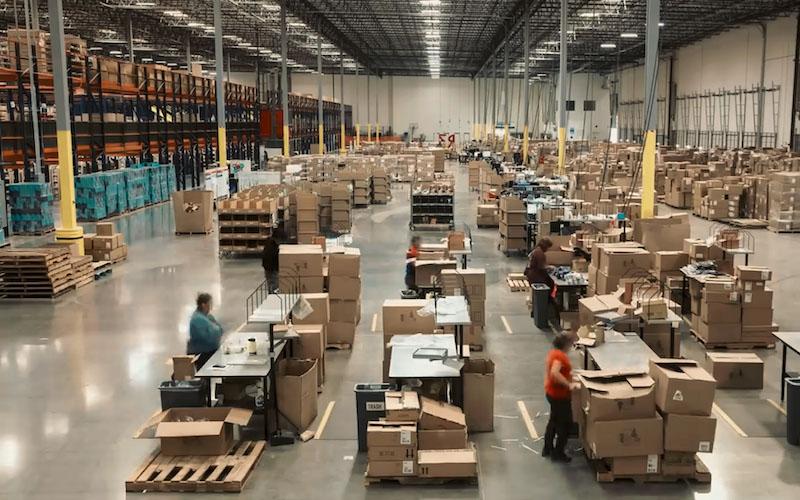
The current account balance reflects a country's capital inflows and outflows resulting from import and export trade, investment income, and foreign aid. Since the COVID-19 pandemic, the development divergence among different economies around the world has become increasingly apparent.
In the decade following the 2008-2009 global financial crisis, the income and expenditure gaps among major economies around the world narrowed.
The Eurozone remains a major net lending region (with an overall current account surplus, but weak domestic investment and consumption), while the United States continues to rely on foreign capital to support domestic consumption.
This trend has shaped the current global economic landscape: excess savings in the market continue to flow to regions with high demand, with the United States becoming the main economy absorbing demand globally.
United States: Long-term deficit driven by demand
Unlike other regions, the United States relies on a persistent current account deficit to support global demand, a situation that reflects the local residents' strong consumption and low willingness to save.
The loose fiscal policy has further exacerbated this situation. Multiple rounds of tax cuts, economic stimulus packages following the financial crisis, and various expenditures during the pandemic have led to a continuous expansion of the U.S. federal fiscal deficit.
As a result, the United States is highly dependent on the inflow of overseas capital, which essentially means absorbing funds from regions with savings surpluses to maintain various domestic consumption and expenditures.
While this economic model has boosted global economic growth to some extent, it has also made the United States a focal point of trade frictions.
In response to the long-term deficit problem, local policymakers have frequently resorted to tariffs and industrial regulation measures.
Europe's balance of payments has its own characteristics, with the core issues being insufficient domestic investment and a high overall savings rate.
In a report released in 2024, former European Central Bank President Mario Draghi pointed out that European countries need to more effectively convert household savings into real production investments, otherwise their economic competitiveness will gradually fall behind that of economies such as the United States.
Since the COVID-19 pandemic, overall investment growth in the Eurozone has lagged significantly behind that in the United States, with the investment shortfall in the technology sector being particularly pronounced.
Economists say that sluggish investment has directly suppressed domestic demand in the region, with a large amount of idle savings being diverted to overseas markets to seek higher returns. This has further increased the Eurozone's current account surplus, making it difficult to alleviate economic imbalances. As a result, the Eurozone may reintroduce trade protectionist measures.
The European Central Bank's recent announcement of a 25 basis point interest rate hike is one of the first major central banks to react to inflation, and the main reasons will be partially explained below.
The imbalance in global trade and capital flows has reached a point that French President Emmanuel Macron described as "unsustainable." He has therefore included this issue on the agenda for next week's G7 summit in Evian, eastern France.
Last month, G7 finance ministers reached a consensus that coordinated action must be taken, a unified approach that has historically been difficult to implement within the broader G20. The ministers also warned that if the imbalances are not addressed, they could ultimately trigger a financial crisis.
A global pattern in which saving countries and consuming countries coexist.
The current account balance reflects a country's capital inflows and outflows resulting from import and export trade, investment income, and foreign aid. Since the COVID-19 pandemic, the development divergence among different economies around the world has become increasingly apparent.
In the decade following the 2008-2009 global financial crisis, the income and expenditure gaps among major economies around the world narrowed.
The Eurozone remains a major net lending region (with an overall current account surplus, but weak domestic investment and consumption), while the United States continues to rely on foreign capital to support domestic consumption.
This trend has shaped the current global economic landscape: excess savings in the market continue to flow to regions with high demand, with the United States becoming the main economy absorbing demand globally.
Regional factors contributing to economic imbalances
United States: Long-term deficit driven by demand
Unlike other regions, the United States relies on a persistent current account deficit to support global demand, a situation that reflects the local residents' strong consumption and low willingness to save.
The loose fiscal policy has further exacerbated this situation. Multiple rounds of tax cuts, economic stimulus packages following the financial crisis, and various expenditures during the pandemic have led to a continuous expansion of the U.S. federal fiscal deficit.
As a result, the United States is highly dependent on the inflow of overseas capital, which essentially means absorbing funds from regions with savings surpluses to maintain various domestic consumption and expenditures.
Impact on global trade
While this economic model has boosted global economic growth to some extent, it has also made the United States a focal point of trade frictions.
In response to the long-term deficit problem, local policymakers have frequently resorted to tariffs and industrial regulation measures.
Europe: Weak investment fuels a balance of payments surplus
Europe's balance of payments has its own characteristics, with the core issues being insufficient domestic investment and a high overall savings rate.
In a report released in 2024, former European Central Bank President Mario Draghi pointed out that European countries need to more effectively convert household savings into real production investments, otherwise their economic competitiveness will gradually fall behind that of economies such as the United States.
Since the COVID-19 pandemic, overall investment growth in the Eurozone has lagged significantly behind that in the United States, with the investment shortfall in the technology sector being particularly pronounced.
Challenges and Prospects
Economists say that sluggish investment has directly suppressed domestic demand in the region, with a large amount of idle savings being diverted to overseas markets to seek higher returns. This has further increased the Eurozone's current account surplus, making it difficult to alleviate economic imbalances. As a result, the Eurozone may reintroduce trade protectionist measures.
- Risk Warning and Disclaimer
- The market involves risk, and trading may not be suitable for all investors. This article is for reference only and does not constitute personal investment advice, nor does it take into account certain users’ specific investment objectives, financial situation, or other needs. Any investment decisions made based on this information are at your own risk.