A shot in the arm! Will the US-Iran reconciliation not only end the war but also open up a vital energy artery?
2026-06-15 14:06:40
The geopolitical conflict in the Middle East, which has lasted for more than three months, has taken a historic turn as the United States and Iran have formally reached a permanent ceasefire agreement, which has been widely recognized by many countries and international organizations around the world.
This reconciliation not only ended regional conflict and restored order in the Middle East, but will also unblock global energy transport channels, effectively alleviate energy inflation pressures, and provide ample room for global central banks to adjust their monetary policies, thus having a profound and positive impact on the global economy and financial markets.
Pakistani Prime Minister Shehbaz Sharif announced that after months of intermittent negotiations and regional conflicts, the US and Iran reached an agreement on Sunday to immediately and permanently end hostilities in the Middle East. A formal signing ceremony is scheduled for Friday in Switzerland, followed by 60 days of focused negotiations on Iran's nuclear program.
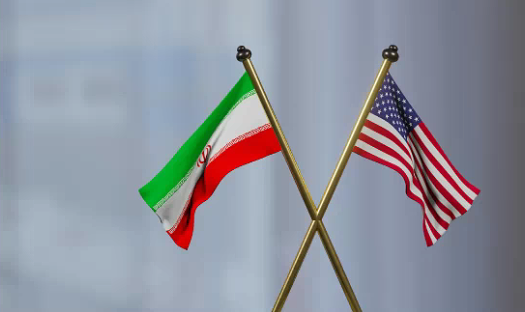
US President Trump stated that he would immediately lift the US naval blockade against Iran. Although the final full text of the agreement has not yet been made public, Iranian state media revealed that the 14-page draft memorandum of understanding contains two core elements: the US will lift oil sanctions against Iran, and Iran will pledge to reopen the Strait of Hormuz within 30 days and restore normal navigation.
Following the official announcement of the agreement, the United Kingdom, France, Germany, and Italy issued a joint statement highly praising the US-Iran ceasefire agreement. The four countries stated that this reconciliation is a crucial opportunity to restore order in the Middle East and stabilize the global economy, while also clearly demonstrating goodwill. They indicated that as long as Iran implements clear and verifiable corrective measures in the area of nuclear governance, the four European countries will gradually lift relevant sanctions against Iran.
The four European countries emphasized that all parties need to fully and quickly implement the ceasefire agreement, and that unconditional freedom of navigation in the Strait of Hormuz is a core prerequisite for stabilizing the global energy supply chain. At the same time, they made it clear that they would adhere to their bottom line, resolutely oppose Iran's development of nuclear weapons, and would work with the United States, Iran, and the International Atomic Energy Agency to continuously promote the standardized governance of the Iranian nuclear issue.
British Prime Minister Keir Starmer stated that the US-Iran ceasefire was a significant breakthrough in ending the conflict in the Middle East, and that the Strait of Hormuz must be kept permanently and fully open.
This ceasefire agreement has received widespread support from major countries and international organizations around the world.
Japanese Prime Minister Sanae Takaichi stated that the reconciliation between the US and Iran is an important step forward in resolving the crisis in the Middle East. She expressed her hope that the agreement would be steadily implemented, effectively ensuring safe navigation in the Strait of Hormuz and promoting an early final solution to the Iranian nuclear issue.
UN Secretary-General António Guterres said the agreement is a key step toward a peaceful resolution to the Middle East conflict, and highly recognized the positive contributions made by Middle Eastern countries such as Pakistan and Qatar to promoting peace talks.
Australian Prime Minister Anthony Albanese said that reopening the Strait of Hormuz would effectively alleviate global energy price pressures, and Australia called on all parties to uphold diplomatic dialogue to achieve lasting regional peace.
The Qatari Ministry of Foreign Affairs also publicly stated that this reconciliation will contribute to regional stability and global economic growth.
The ongoing conflict in the Middle East has caused severe volatility in global energy markets, exacerbating the risk of a global economic recession. Following the announcement of a ceasefire, international oil prices rebounded sharply, with Brent crude falling to around $83 per barrel and West Texas Intermediate crude briefly touching about $80 per barrel.
Christian Noyer, honorary governor of the Bank of France, said that the US-Iran armistice agreement could greatly alleviate global inflationary pressures, boost market consumer confidence, and create room for central banks around the world to adjust their monetary policies, effectively improving the global macroeconomic environment.
At 14:04 Beijing time, US crude oil is currently trading at $81.03 per barrel.
This reconciliation not only ended regional conflict and restored order in the Middle East, but will also unblock global energy transport channels, effectively alleviate energy inflation pressures, and provide ample room for global central banks to adjust their monetary policies, thus having a profound and positive impact on the global economy and financial markets.
The US and Iran finalize a ceasefire agreement, with several key terms being implemented.
Pakistani Prime Minister Shehbaz Sharif announced that after months of intermittent negotiations and regional conflicts, the US and Iran reached an agreement on Sunday to immediately and permanently end hostilities in the Middle East. A formal signing ceremony is scheduled for Friday in Switzerland, followed by 60 days of focused negotiations on Iran's nuclear program.
US President Trump stated that he would immediately lift the US naval blockade against Iran. Although the final full text of the agreement has not yet been made public, Iranian state media revealed that the 14-page draft memorandum of understanding contains two core elements: the US will lift oil sanctions against Iran, and Iran will pledge to reopen the Strait of Hormuz within 30 days and restore normal navigation.
Many countries have responded positively, and Europe plans to lift sanctions against Iran.
Following the official announcement of the agreement, the United Kingdom, France, Germany, and Italy issued a joint statement highly praising the US-Iran ceasefire agreement. The four countries stated that this reconciliation is a crucial opportunity to restore order in the Middle East and stabilize the global economy, while also clearly demonstrating goodwill. They indicated that as long as Iran implements clear and verifiable corrective measures in the area of nuclear governance, the four European countries will gradually lift relevant sanctions against Iran.
The four European countries emphasized that all parties need to fully and quickly implement the ceasefire agreement, and that unconditional freedom of navigation in the Strait of Hormuz is a core prerequisite for stabilizing the global energy supply chain. At the same time, they made it clear that they would adhere to their bottom line, resolutely oppose Iran's development of nuclear weapons, and would work with the United States, Iran, and the International Atomic Energy Agency to continuously promote the standardized governance of the Iranian nuclear issue.
British Prime Minister Keir Starmer stated that the US-Iran ceasefire was a significant breakthrough in ending the conflict in the Middle East, and that the Strait of Hormuz must be kept permanently and fully open.
Multiple countries and international organizations around the world collectively recognized the achievements of peace.
This ceasefire agreement has received widespread support from major countries and international organizations around the world.
Japanese Prime Minister Sanae Takaichi stated that the reconciliation between the US and Iran is an important step forward in resolving the crisis in the Middle East. She expressed her hope that the agreement would be steadily implemented, effectively ensuring safe navigation in the Strait of Hormuz and promoting an early final solution to the Iranian nuclear issue.
UN Secretary-General António Guterres said the agreement is a key step toward a peaceful resolution to the Middle East conflict, and highly recognized the positive contributions made by Middle Eastern countries such as Pakistan and Qatar to promoting peace talks.
Australian Prime Minister Anthony Albanese said that reopening the Strait of Hormuz would effectively alleviate global energy price pressures, and Australia called on all parties to uphold diplomatic dialogue to achieve lasting regional peace.
The Qatari Ministry of Foreign Affairs also publicly stated that this reconciliation will contribute to regional stability and global economic growth.
Energy prices have fallen sharply, significantly easing global inflationary pressures.
The ongoing conflict in the Middle East has caused severe volatility in global energy markets, exacerbating the risk of a global economic recession. Following the announcement of a ceasefire, international oil prices rebounded sharply, with Brent crude falling to around $83 per barrel and West Texas Intermediate crude briefly touching about $80 per barrel.
Christian Noyer, honorary governor of the Bank of France, said that the US-Iran armistice agreement could greatly alleviate global inflationary pressures, boost market consumer confidence, and create room for central banks around the world to adjust their monetary policies, effectively improving the global macroeconomic environment.
At 14:04 Beijing time, US crude oil is currently trading at $81.03 per barrel.
- Risk Warning and Disclaimer
- The market involves risk, and trading may not be suitable for all investors. This article is for reference only and does not constitute personal investment advice, nor does it take into account certain users’ specific investment objectives, financial situation, or other needs. Any investment decisions made based on this information are at your own risk.