The anticipated reopening of the Hormuz National Park has unexpectedly impacted the agricultural market, causing a simultaneous drop in prices for oils and grains.
2026-06-15 15:34:55
The anticipated reopening of the Strait of Hormuz is rapidly compressing geopolitical premiums in the agricultural market. On Monday, June 15th, falling energy prices led to a revaluation of risk pricing in commodities. Chicago corn and wheat futures both fell by about 0.7%, soybean oil fell by about 1%, while soybeans remained relatively stable; Kuala Lumpur palm oil initially fell by about 0.8% before narrowing its losses. The core of market trading is not simply the reopening of a single shipping route, but rather the simultaneous repricing of the entire value chain, including energy, fertilizers, freight costs, farmer planting costs, and biofuel profit margins.
The US and Iran have stated that they have reached a provisional arrangement and plan to formally sign the agreement in Switzerland on June 19. Since the formal text has not yet been finalized, the market has not completely eliminated the risk premium, but agricultural futures have already reflected expectations of easing supply chain pressures. This round of decline is not simply a retreat of risk aversion, but rather a shift in agricultural products from "conflict premium trading" to "cost reduction trading."
The Strait of Hormuz is a vital passage for energy and fertilizer trade. In recent months, the conflict has restricted shipping, leading to a simultaneous increase in fuel costs, freight, insurance premiums, and fertilizer prices. This has forced agricultural product prices to reflect higher planting costs and supply uncertainty. While the rise in corn, wheat, and oilseed prices appears to be due to tight supply and demand in agricultural products themselves, the underlying logic is the rapid increase in farmers' input costs.
As reopening expectations rise, the market is reassessing the availability of fertilizers and fuels. Inputs such as nitrogen fertilizer, urea, and ammonia are highly dependent on energy costs and regional supply. Once transportation resumes, farmers' concerns about fertilizer intensity in the next season will decrease, and cost support in futures grain prices will weaken. The risk premium previously driven up by the conflict is now being transmitted from the energy sector to agricultural products.
The UN Food and Agriculture Organization's (FAO) food price index for May was 130.8, a slight decrease of 0.2% month-on-month, but still 2.9% higher year-on-year. The cereal price index rose 2.6% month-on-month, reflecting that fuel, fertilizer, and weather disturbances continue to support grain prices; the vegetable oil price index fell 4.6% month-on-month, indicating that the oil market is more sensitive to demand and energy variables. The key point of the current market situation is that although cereals and oils are both agricultural products, their pricing anchors have clearly diverged.
Soybean oil saw a particularly sharp decline, primarily due to the reduced economics of biodiesel production caused by falling energy prices. During conflicts, rising fossil fuel prices made crop-based fuels more attractive, leading to a demand premium for oils such as soybean oil and palm oil. Now, with falling crude oil prices, profit margins for biofuels are being squeezed, naturally putting downward pressure on oil prices.
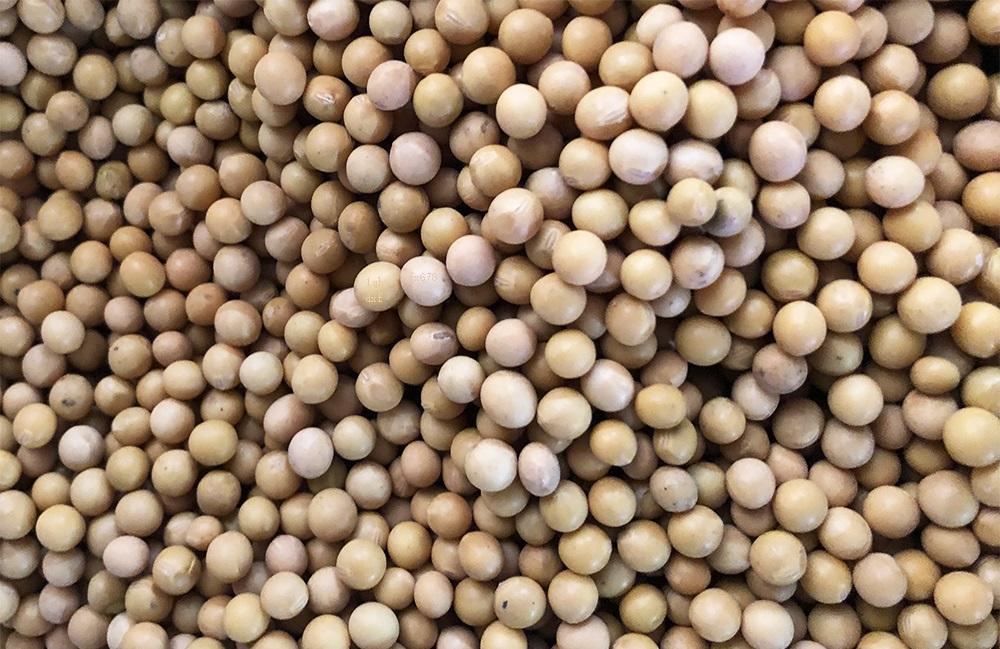
This explains why soybean prices themselves saw limited changes, while soybean oil experienced a more significant decline. Soybeans are influenced by factors such as protein meal demand, crushing margins, inventory structure, and weather, resulting in a more complex pricing structure. Soybean oil, on the other hand, is more directly exposed to the logic of energy substitution. When crude oil prices fall from their highs, soybean oil essentially loses some of its "fuel attribute" support, naturally leading to greater price elasticity than crude soybeans.
Palm oil prices initially fell along with the broader edible oils sector, but the decline quickly narrowed as the market awaited certainty regarding higher biofuel blending policies from major producing countries. Palm oil is not only an edible oil but also a fuel policy tool; a mandatory increase in blending ratios would offset export pressures from domestic consumption.
Trading and hedging strategy analysis suggests that the palm oil market is still awaiting clarity on the implementation of higher biofuel policies in major producing countries; simultaneously, with improvements in Middle Eastern routes, regional demand may also re-emerge. In other words, palm oil faces a two-pronged approach: on one hand, falling crude oil prices are suppressing biofuel valuations, and on the other hand, policy demand and trade recovery are limiting downside potential.
This also explains the differences in strength among different edible oils. Soybean oil is more driven by energy profits, while palm oil is affected by policy consumption, export pace, supply in producing regions, and seasonal inventory. If crude oil continues to weaken, soybean oil may face more direct pressure; if biofuel policies continue to be implemented, palm oil may show stronger resilience.
The anticipated resumption of passage through the Hormuz Strait will help alleviate food inflation, but the market should not equate short-term price declines with a complete supply chain recovery. The agreement still needs to be formally signed, and the resumption of shipping involves insurance, port scheduling, vessel arrangement, inventory replenishment, and the rebuilding of trade credit. Even if the passage reopens, fertilizer prices will need to fall from their highs to farmers' actual purchase costs over time, navigating both inventory and logistics cycles.
The UN Food and Agriculture Organization (FAO) previously warned that global food prices could face greater pressure within 6 to 12 months if key trade routes remain blocked for an extended period. While the window of opportunity has narrowed, the chain of impacts has not disappeared. The next phase for the agricultural market will shift from whether the straits will reopen to whether fertilizer supply can be restored, whether energy levels can remain low, whether the weather will be favorable, and whether policy demands will be met.
The most noteworthy factor in the current market is the fundamental support capacity after the risk premium subsides. For grains, we need to look at inventory, weather, and export competition; for oils, we need to look at crude oil, biofuel policies, and production area inventories; and for fertilizers, we need to look at the speed of nitrogen fertilizer supply recovery. If these variables improve simultaneously, agricultural inflation premiums will continue to cool; if the agreement is repeatedly violated or energy prices rise again, the pullback may be followed by repricing.
The US and Iran have stated that they have reached a provisional arrangement and plan to formally sign the agreement in Switzerland on June 19. Since the formal text has not yet been finalized, the market has not completely eliminated the risk premium, but agricultural futures have already reflected expectations of easing supply chain pressures. This round of decline is not simply a retreat of risk aversion, but rather a shift in agricultural products from "conflict premium trading" to "cost reduction trading."
The Strait of Hormuz is a vital passage for energy and fertilizer trade. In recent months, the conflict has restricted shipping, leading to a simultaneous increase in fuel costs, freight, insurance premiums, and fertilizer prices. This has forced agricultural product prices to reflect higher planting costs and supply uncertainty. While the rise in corn, wheat, and oilseed prices appears to be due to tight supply and demand in agricultural products themselves, the underlying logic is the rapid increase in farmers' input costs.
As reopening expectations rise, the market is reassessing the availability of fertilizers and fuels. Inputs such as nitrogen fertilizer, urea, and ammonia are highly dependent on energy costs and regional supply. Once transportation resumes, farmers' concerns about fertilizer intensity in the next season will decrease, and cost support in futures grain prices will weaken. The risk premium previously driven up by the conflict is now being transmitted from the energy sector to agricultural products.
The UN Food and Agriculture Organization's (FAO) food price index for May was 130.8, a slight decrease of 0.2% month-on-month, but still 2.9% higher year-on-year. The cereal price index rose 2.6% month-on-month, reflecting that fuel, fertilizer, and weather disturbances continue to support grain prices; the vegetable oil price index fell 4.6% month-on-month, indicating that the oil market is more sensitive to demand and energy variables. The key point of the current market situation is that although cereals and oils are both agricultural products, their pricing anchors have clearly diverged.
Soybean oil saw a particularly sharp decline, primarily due to the reduced economics of biodiesel production caused by falling energy prices. During conflicts, rising fossil fuel prices made crop-based fuels more attractive, leading to a demand premium for oils such as soybean oil and palm oil. Now, with falling crude oil prices, profit margins for biofuels are being squeezed, naturally putting downward pressure on oil prices.
This explains why soybean prices themselves saw limited changes, while soybean oil experienced a more significant decline. Soybeans are influenced by factors such as protein meal demand, crushing margins, inventory structure, and weather, resulting in a more complex pricing structure. Soybean oil, on the other hand, is more directly exposed to the logic of energy substitution. When crude oil prices fall from their highs, soybean oil essentially loses some of its "fuel attribute" support, naturally leading to greater price elasticity than crude soybeans.
Palm oil prices initially fell along with the broader edible oils sector, but the decline quickly narrowed as the market awaited certainty regarding higher biofuel blending policies from major producing countries. Palm oil is not only an edible oil but also a fuel policy tool; a mandatory increase in blending ratios would offset export pressures from domestic consumption.
Trading and hedging strategy analysis suggests that the palm oil market is still awaiting clarity on the implementation of higher biofuel policies in major producing countries; simultaneously, with improvements in Middle Eastern routes, regional demand may also re-emerge. In other words, palm oil faces a two-pronged approach: on one hand, falling crude oil prices are suppressing biofuel valuations, and on the other hand, policy demand and trade recovery are limiting downside potential.
This also explains the differences in strength among different edible oils. Soybean oil is more driven by energy profits, while palm oil is affected by policy consumption, export pace, supply in producing regions, and seasonal inventory. If crude oil continues to weaken, soybean oil may face more direct pressure; if biofuel policies continue to be implemented, palm oil may show stronger resilience.
The anticipated resumption of passage through the Hormuz Strait will help alleviate food inflation, but the market should not equate short-term price declines with a complete supply chain recovery. The agreement still needs to be formally signed, and the resumption of shipping involves insurance, port scheduling, vessel arrangement, inventory replenishment, and the rebuilding of trade credit. Even if the passage reopens, fertilizer prices will need to fall from their highs to farmers' actual purchase costs over time, navigating both inventory and logistics cycles.
The UN Food and Agriculture Organization (FAO) previously warned that global food prices could face greater pressure within 6 to 12 months if key trade routes remain blocked for an extended period. While the window of opportunity has narrowed, the chain of impacts has not disappeared. The next phase for the agricultural market will shift from whether the straits will reopen to whether fertilizer supply can be restored, whether energy levels can remain low, whether the weather will be favorable, and whether policy demands will be met.
The most noteworthy factor in the current market is the fundamental support capacity after the risk premium subsides. For grains, we need to look at inventory, weather, and export competition; for oils, we need to look at crude oil, biofuel policies, and production area inventories; and for fertilizers, we need to look at the speed of nitrogen fertilizer supply recovery. If these variables improve simultaneously, agricultural inflation premiums will continue to cool; if the agreement is repeatedly violated or energy prices rise again, the pullback may be followed by repricing.
- Risk Warning and Disclaimer
- The market involves risk, and trading may not be suitable for all investors. This article is for reference only and does not constitute personal investment advice, nor does it take into account certain users’ specific investment objectives, financial situation, or other needs. Any investment decisions made based on this information are at your own risk.