Israel has no choice: accept an "imperfect" agreement or completely break ties with the United States?
2026-06-16 09:01:06
US President Trump's agreement to gradually end the conflict with Iran has triggered alarm bells in Israel. Senior Israeli officials are grappling with two major challenges: the consequences of easing pressure on Tehran and the risk of a breakdown in US-Israeli relations over the conflict with Hezbollah in Lebanon.
Tensions have escalated further as uncertainty remains about which terms Trump actually agreed to in the deal.
According to a source familiar with the matter, Israeli Prime Minister Benjamin Netanyahu is urgently seeking a meeting with Trump to clarify various thorny issues.
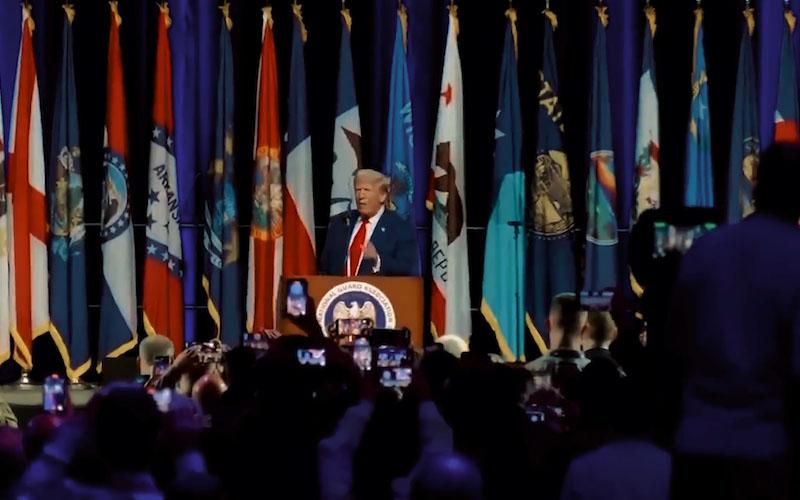
Over the weekend, Israel launched airstrikes on Beirut in response to Hezbollah's attacks on Israel, a move that nearly derailed the aforementioned agreement and prompted the White House and mediators to make last-minute emergency interventions to ensure the agreement could move forward.
In a media interview, Trump criticized the airstrikes and stated on social media that Israel must cease its attacks throughout Lebanon. This statement contradicts a ceasefire agreement brokered by the United States earlier in June, which stipulated that Israel would only need to end the fighting if Hezbollah also ceased its operations.
According to Iranian state media reports, Iranian Foreign Minister Araqchi stated that the United States has a responsibility to end Israel's attacks and acts of aggression in Lebanon.
Israeli Defense Minister Katz refuted these claims, stating that the military would maintain its so-called safe zone in Lebanon indefinitely, arguing that it was necessary to protect communities in northern Israel. He also said that Israel would act independently to prevent Iran from acquiring nuclear weapons if necessary.
At a press conference on Monday (June 15), Netanyahu did not criticize the impending agreement between the US and Iran, and stated that Israel's conflict objectives with Iran had been largely achieved. He said the conflict with Iran had destroyed production capacity, shattered the economy, and thwarted the nuclear program.
Privately, however, Israeli officials worry that the agreement Trump agreed to might provide Tehran with the financial relief it needs to rebuild its economy, but it does not include a commitment to demand that Iran hand over its enriched uranium.
Former Israeli Ambassador to Washington, Oren, stated that the outcome was a far cry from Israel's previous expectations. Israel had hoped the conflict would topple or severely damage the Iranian regime, thereby bringing about fundamental change in the region. Oren said, "If Iran receives billions of dollars in assets as sanctions waivers, it will rebuild its military capabilities and proxy forces, while the United States' prestige in the region will suffer a huge, even irreversible, blow."
Many analysts believe these hopes were unrealistic from the start. Netanyahu is now under attack from all sides of the political spectrum, who accuse him of leading the country into a misguided conflict and ruining relations with the United States.
Former U.S. Deputy Assistant Secretary of Defense Shapiro stated on social media: "The Israelis are deeply disappointed by this result, but they should not be surprised."
At the outset of the conflict, the United States and Israel were remarkably aligned. Conflict planners from both countries continue to work side-by-side, with dozens of US refueling aircraft ready to refuel Israeli fighter jets. Both Trump and Netanyahu have stated that the conflict would give the Iranian people an opportunity to rise up and overthrow the regime.
But after Iran closed the Strait of Hormuz and cut off oil and gas supplies, the two countries' interests quickly diverged. Trump has set out to end the conflict, which is unpopular with American consumers, while Netanyahu is trying to increase pressure on the Iranian regime. The tensions are further heightened by the fact that both leaders face elections in the fall.
Oren said Israel has no other choice but to continue its fight against Hezbollah, even at the risk of a breakdown in relations with Trump. “It’s not a question of what Israel can do, but what it must do,” he said. Oren also stated that while Israel used to lobby Congress to influence the White House, it no longer wields that influence among members of Congress or the American public.
Some former Israeli security officials say Netanyahu's current conflict with Trump stems from domestic pressure he faces from his political base months before the Israeli election. Former Deputy National Security Advisor Freilich said, "He's purely playing politics… Conflict with Trump is the last thing Israel should be doing."
The head of the Israel Defense and Security Forum, Weiner, stated that although the US-Iran agreement is detrimental to Israel, the damage inflicted on Iran by the US and Israel over the past year has severely weakened Iran economically and militarily, putting Israel in a far better position than if no conflict had occurred at all. He said, "I don't think anyone will regret starting the conflict, but perhaps we will regret not doing more."
Trump said on Sunday that Israel has nothing to worry about. "Bibi has no problem with that," he said, "because under no circumstances can Iran have nuclear weapons."
However, Karna, a lawmaker from Netanyahu's Likud party, posted on social media on Sunday that the agreement shows Israel cannot rely on the United States for its security. He said, "The problem is that some of these people are still looking for an easy and quick victory, or an agreement with beautiful promises—substituting the pursuit of victory for a moment of peace, even if it comes at a cost."
Former Israeli military officer and former ambassador to the United States, Herzog, told Israeli military radio on Sunday, "Trump will do what he thinks is good, whether it's good or bad for Israel."
The US-Iran peace agreement pushed by Trump has triggered high alert and discontent in Israel. Although Netanyahu publicly downplayed criticism, senior Israeli officials privately expressed concern that while the agreement offered financial relief, it lacked hard commitments regarding Iran's denuclearization, such as the dismantling of enriched uranium. Meanwhile, the open differences between the US and Israel over the Hezbollah conflict in Lebanon have deepened. An Israeli airstrike nearly derailed the agreement, prompting Netanyahu to urgently seek a meeting with Trump. The combined pressure of differing interests and the upcoming election has further exposed the rift in US-Israel relations, leaving Israel in a difficult position with no other choice despite the imperfect agreement. This situation casts uncertainty on the US's prestige in the Middle East and its regional security prospects.
Q1: What are Israel's main concerns about the Trump-led US-Iran peace agreement?
Israel's biggest concern is that the agreement eases pressure on Iran, offering billions of dollars in sanctions waivers and financial reconstruction funds without requiring Iran to surrender its enriched uranium stockpile or completely abandon its nuclear program. Officials privately believe this cannot fundamentally guarantee Israel's security and could allow Iran to rebuild its military capabilities and proxy networks. Former US Ambassador to the US, Oren, pointed out that this is a far cry from Israel's initial goal of severely damaging or overthrowing the Iranian regime through conflict, and could cause irreversible damage to the US's regional reputation.
Q2: How are the differences between the US and Israel manifested in the conflict with Hezbollah in Lebanon?
Following Israel's airstrikes on Beirut, Trump publicly criticized the move and demanded that Israel cease attacks throughout Lebanon, contradicting the previously US-brokered ceasefire agreement (which stipulated that an Israeli ceasefire would only be implemented if Hezbollah ceased fire). Iranian Foreign Minister Araghchi called on the US to stop Israel's actions. Israeli Defense Minister Katz, on the other hand, firmly stated that Israel would maintain the Lebanese safe zone indefinitely and reserve the right to independently prevent Iran from developing nuclear weapons. The airstrikes nearly derailed the agreement, highlighting the rift between the two sides.
Q3: What are the differences between Netanyahu's public and private attitudes toward the agreement?
At the press conference, Netanyahu did not directly criticize the agreement, stating that Israel's war objectives had been largely achieved, and that Iran's national strength, economy, and nuclear program had been severely damaged. However, privately, Israeli officials were highly nervous and urgently sought a meeting with Trump to clarify the terms. Netanyahu faces domestic political pressure, accused before the election of leading into the wrong conflict and damaging US-Israel relations; his hardline stance also stems from the needs of his political base.
Q4: What are the background reasons for the rift in US-Israel relations?
Initially, both countries shared a common stance in the conflict, but their interests diverged after Iran blocked the Strait of Hormuz: Trump wanted a swift end to the unpopular conflict, while Netanyahu sought to continue pressuring the Iranian regime. Both leaders face pressure during the fall elections. Analysts point out that Israel's declining influence makes it difficult to effectively lobby the US Congress, and Trump's prioritization of American consumer interests has led to strained relations.
Q5: How does Israel assess its current situation and future options?
Israel's Defense and Security Forum director, Winner, believes that despite the unfavorable nature of the agreement, the conflict has severely weakened Iran, putting Israel in a better position than before the war. Some lawmakers and former officials warned against relying on the United States, emphasizing the need to pursue a decisive victory rather than temporary peace. Trump reassured Israel that "Bibi has no objections" and that Iran must never possess nuclear weapons, but there is a widespread belief within Israel that the agreement is imperfect, yet they have no choice but to confront reality while preventing a complete breakdown in relations with Trump.
Tensions have escalated further as uncertainty remains about which terms Trump actually agreed to in the deal.
According to a source familiar with the matter, Israeli Prime Minister Benjamin Netanyahu is urgently seeking a meeting with Trump to clarify various thorny issues.
The airstrikes nearly derailed the agreement, and the open differences between the US and Israel have deepened.
Over the weekend, Israel launched airstrikes on Beirut in response to Hezbollah's attacks on Israel, a move that nearly derailed the aforementioned agreement and prompted the White House and mediators to make last-minute emergency interventions to ensure the agreement could move forward.
In a media interview, Trump criticized the airstrikes and stated on social media that Israel must cease its attacks throughout Lebanon. This statement contradicts a ceasefire agreement brokered by the United States earlier in June, which stipulated that Israel would only need to end the fighting if Hezbollah also ceased its operations.
According to Iranian state media reports, Iranian Foreign Minister Araqchi stated that the United States has a responsibility to end Israel's attacks and acts of aggression in Lebanon.
Israeli Defense Minister Katz refuted these claims, stating that the military would maintain its so-called safe zone in Lebanon indefinitely, arguing that it was necessary to protect communities in northern Israel. He also said that Israel would act independently to prevent Iran from acquiring nuclear weapons if necessary.
Israel privately worries: Financial bailout has not secured a commitment to denuclearization.
At a press conference on Monday (June 15), Netanyahu did not criticize the impending agreement between the US and Iran, and stated that Israel's conflict objectives with Iran had been largely achieved. He said the conflict with Iran had destroyed production capacity, shattered the economy, and thwarted the nuclear program.
Privately, however, Israeli officials worry that the agreement Trump agreed to might provide Tehran with the financial relief it needs to rebuild its economy, but it does not include a commitment to demand that Iran hand over its enriched uranium.
Former Israeli Ambassador to Washington, Oren, stated that the outcome was a far cry from Israel's previous expectations. Israel had hoped the conflict would topple or severely damage the Iranian regime, thereby bringing about fundamental change in the region. Oren said, "If Iran receives billions of dollars in assets as sanctions waivers, it will rebuild its military capabilities and proxy forces, while the United States' prestige in the region will suffer a huge, even irreversible, blow."
Many analysts believe these hopes were unrealistic from the start. Netanyahu is now under attack from all sides of the political spectrum, who accuse him of leading the country into a misguided conflict and ruining relations with the United States.
Former U.S. Deputy Assistant Secretary of Defense Shapiro stated on social media: "The Israelis are deeply disappointed by this result, but they should not be surprised."
Differences in interests have led to a rift between the US and Israel, and electoral pressure has exacerbated tensions.
At the outset of the conflict, the United States and Israel were remarkably aligned. Conflict planners from both countries continue to work side-by-side, with dozens of US refueling aircraft ready to refuel Israeli fighter jets. Both Trump and Netanyahu have stated that the conflict would give the Iranian people an opportunity to rise up and overthrow the regime.
But after Iran closed the Strait of Hormuz and cut off oil and gas supplies, the two countries' interests quickly diverged. Trump has set out to end the conflict, which is unpopular with American consumers, while Netanyahu is trying to increase pressure on the Iranian regime. The tensions are further heightened by the fact that both leaders face elections in the fall.
Oren said Israel has no other choice but to continue its fight against Hezbollah, even at the risk of a breakdown in relations with Trump. “It’s not a question of what Israel can do, but what it must do,” he said. Oren also stated that while Israel used to lobby Congress to influence the White House, it no longer wields that influence among members of Congress or the American public.
Some former Israeli security officials say Netanyahu's current conflict with Trump stems from domestic pressure he faces from his political base months before the Israeli election. Former Deputy National Security Advisor Freilich said, "He's purely playing politics… Conflict with Trump is the last thing Israel should be doing."
Israel is in a difficult position: the agreement may be imperfect, but it leaves it with no other choice.
The head of the Israel Defense and Security Forum, Weiner, stated that although the US-Iran agreement is detrimental to Israel, the damage inflicted on Iran by the US and Israel over the past year has severely weakened Iran economically and militarily, putting Israel in a far better position than if no conflict had occurred at all. He said, "I don't think anyone will regret starting the conflict, but perhaps we will regret not doing more."
Trump said on Sunday that Israel has nothing to worry about. "Bibi has no problem with that," he said, "because under no circumstances can Iran have nuclear weapons."
However, Karna, a lawmaker from Netanyahu's Likud party, posted on social media on Sunday that the agreement shows Israel cannot rely on the United States for its security. He said, "The problem is that some of these people are still looking for an easy and quick victory, or an agreement with beautiful promises—substituting the pursuit of victory for a moment of peace, even if it comes at a cost."
Former Israeli military officer and former ambassador to the United States, Herzog, told Israeli military radio on Sunday, "Trump will do what he thinks is good, whether it's good or bad for Israel."
Editor's Summary
The US-Iran peace agreement pushed by Trump has triggered high alert and discontent in Israel. Although Netanyahu publicly downplayed criticism, senior Israeli officials privately expressed concern that while the agreement offered financial relief, it lacked hard commitments regarding Iran's denuclearization, such as the dismantling of enriched uranium. Meanwhile, the open differences between the US and Israel over the Hezbollah conflict in Lebanon have deepened. An Israeli airstrike nearly derailed the agreement, prompting Netanyahu to urgently seek a meeting with Trump. The combined pressure of differing interests and the upcoming election has further exposed the rift in US-Israel relations, leaving Israel in a difficult position with no other choice despite the imperfect agreement. This situation casts uncertainty on the US's prestige in the Middle East and its regional security prospects.
Frequently Asked Questions
Q1: What are Israel's main concerns about the Trump-led US-Iran peace agreement?
Israel's biggest concern is that the agreement eases pressure on Iran, offering billions of dollars in sanctions waivers and financial reconstruction funds without requiring Iran to surrender its enriched uranium stockpile or completely abandon its nuclear program. Officials privately believe this cannot fundamentally guarantee Israel's security and could allow Iran to rebuild its military capabilities and proxy networks. Former US Ambassador to the US, Oren, pointed out that this is a far cry from Israel's initial goal of severely damaging or overthrowing the Iranian regime through conflict, and could cause irreversible damage to the US's regional reputation.
Q2: How are the differences between the US and Israel manifested in the conflict with Hezbollah in Lebanon?
Following Israel's airstrikes on Beirut, Trump publicly criticized the move and demanded that Israel cease attacks throughout Lebanon, contradicting the previously US-brokered ceasefire agreement (which stipulated that an Israeli ceasefire would only be implemented if Hezbollah ceased fire). Iranian Foreign Minister Araghchi called on the US to stop Israel's actions. Israeli Defense Minister Katz, on the other hand, firmly stated that Israel would maintain the Lebanese safe zone indefinitely and reserve the right to independently prevent Iran from developing nuclear weapons. The airstrikes nearly derailed the agreement, highlighting the rift between the two sides.
Q3: What are the differences between Netanyahu's public and private attitudes toward the agreement?
At the press conference, Netanyahu did not directly criticize the agreement, stating that Israel's war objectives had been largely achieved, and that Iran's national strength, economy, and nuclear program had been severely damaged. However, privately, Israeli officials were highly nervous and urgently sought a meeting with Trump to clarify the terms. Netanyahu faces domestic political pressure, accused before the election of leading into the wrong conflict and damaging US-Israel relations; his hardline stance also stems from the needs of his political base.
Q4: What are the background reasons for the rift in US-Israel relations?
Initially, both countries shared a common stance in the conflict, but their interests diverged after Iran blocked the Strait of Hormuz: Trump wanted a swift end to the unpopular conflict, while Netanyahu sought to continue pressuring the Iranian regime. Both leaders face pressure during the fall elections. Analysts point out that Israel's declining influence makes it difficult to effectively lobby the US Congress, and Trump's prioritization of American consumer interests has led to strained relations.
Q5: How does Israel assess its current situation and future options?
Israel's Defense and Security Forum director, Winner, believes that despite the unfavorable nature of the agreement, the conflict has severely weakened Iran, putting Israel in a better position than before the war. Some lawmakers and former officials warned against relying on the United States, emphasizing the need to pursue a decisive victory rather than temporary peace. Trump reassured Israel that "Bibi has no objections" and that Iran must never possess nuclear weapons, but there is a widespread belief within Israel that the agreement is imperfect, yet they have no choice but to confront reality while preventing a complete breakdown in relations with Trump.
- Risk Warning and Disclaimer
- The market involves risk, and trading may not be suitable for all investors. This article is for reference only and does not constitute personal investment advice, nor does it take into account certain users’ specific investment objectives, financial situation, or other needs. Any investment decisions made based on this information are at your own risk.