Warsh's flexible reforms overturned the old system, ushering in a new era of change in the Federal Reserve's monetary policy.
2026-06-22 10:04:12
Following his first policy meeting, newly appointed Federal Reserve Chairman Kevin Warsh formally announced a comprehensive reform plan for the Fed, centered on five special task forces, to conduct a thorough review and innovation of core systems such as monetary policy formulation, external communication, and balance sheet management.
This reform abandons the radical confrontational model and adopts a moderate and systematic adjustment approach. It is regarded by the industry as the most profound institutional reshaping of the Federal Reserve in decades, completely bidding farewell to the past operating logic and marking the beginning of a new stage of development for US monetary policy.
Last Wednesday (June 17), Warsh's first interest rate meeting since taking office concluded, during which he unveiled a comprehensive and well-structured reform plan. Five special working groups were formed, relying on key personnel within the Federal Reserve and external industry experts, to conduct a systematic review of all core operational aspects of modern monetary policy.
Industry insiders say the scale of this reform is the largest among all adjustments implemented by successive Federal Reserve chairs in recent years. The working group will conduct research in five core areas, covering the central bank's external communication mechanisms, macroeconomic data, the causes and control logic of inflation, the economic impact of emerging technologies such as artificial intelligence, and the balance sheet, which is as large as $6.7 trillion. At the same time, it will conduct in-depth research on feasible implementation paths for a steady reduction of the balance sheet.
Warsh stated that each working group will focus on the essence of the policy, address existing problems, review the current operating mechanism, compare various optimization plans, and ultimately formulate mature reform recommendations for the monetary policy formulation team to refer to and implement.
It is worth noting that Warsh's attitude towards his duties has changed significantly since the campaign. Previously, he had publicly criticized the Federal Reserve for its lack of credibility and advocated for systemic reform. After taking office, he highly recognized the traditional advantages of the Federal Reserve and promoted reforms in a moderate and collaborative manner, effectively resolving the internal antagonism and building consensus on reform within the team.
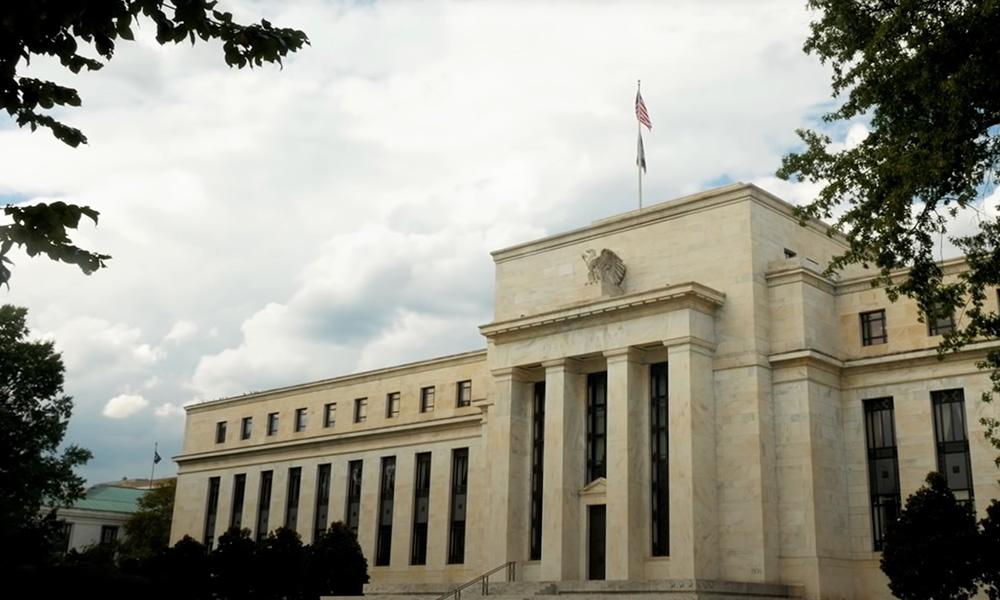
The external communication mechanism has become the most direct breakthrough area in this reform.
This policy statement from the interest rate meeting completely abandoned the long-used redundant and templated language, streamlining the content and focusing on the core issues, objectively explaining only the interest rate decision and the current economic situation. The format returned to the traditional model before the 2009 financial crisis, directly announcing the interest rate adjustment results at the outset, a departure from the long-standing fixed paradigm of first assessing the economic situation. At the same time, the statement completely removed the forward guidance content that the market heavily relied on, and subsequent policy judgments will be entirely based on real-time economic data.
Former Cleveland Federal Reserve President Loretta Mester, with nearly four decades of experience in central bank operations and a long-standing focus on improving communication mechanisms, expressed her approval of the recent streamlining reforms. She stated that the Federal Reserve has historically suffered from rigid wording, making policy statements difficult to adjust once finalized, with numerous ineffective and formulaic phrases consuming significant space. This streamlining is a necessary improvement measure. She added that with the removal of forward guidance, the Federal Reserve needs to clearly disclose the rationale behind policy adjustments and its response mechanisms, providing the market with a clear basis for decision-making and avoiding ambiguous policy communication.
In addition, this round of reforms also plans to optimize or even eliminate the dot plot of committee members' interest rate expectations and adjust the chairman's press conference format that has been used for fifteen years.
This reform is not a single-sector adjustment, but a comprehensive system upgrade.
Regarding the balance sheet, Warsh has long disagreed with the large-scale balance sheet expansion during the financial crisis and the pandemic. The working group will focus on studying ways to optimize the balance sheet and repair the central bank's asset structure. In terms of inflation assessment, addressing previous misjudgments of inflation as temporary and the five consecutive years of inflation exceeding targets, the Federal Reserve will rebuild a scientific framework for observing and analyzing inflation. Meanwhile, new areas such as the impact of artificial intelligence, optimization of macroeconomic indicators, and big data-assisted policy formulation are also included in the core research scope.
Rick Rieder, head of fixed income at BlackRock, stated that this round of reforms has restructured the Federal Reserve's policy philosophy, regulatory tools, and operational logic. By deeply analyzing various macroeconomic influencing factors, it can effectively enhance the precision and credibility of monetary policy, marking a new milestone in US monetary policy. Mester added that the core essence of the reform is transparency. The central bank does not need to solidify quantitative rules, but it must clearly communicate the dimensions of policy observation and the basis for adjustments, moving away from a simple credibility endorsement model and achieving efficient and transparent market-based communication.
Overall , Warsh's flexible and systematic reforms have fundamentally addressed the long-standing institutional flaws within the Federal Reserve, covering the entire chain of policymaking, market communication, and risk management. As these research projects and reforms are implemented, the Fed's monetary policy operating model will undergo a fundamental reshaping, profoundly impacting the trends of global dollar assets and financial markets.
This reform abandons the radical confrontational model and adopts a moderate and systematic adjustment approach. It is regarded by the industry as the most profound institutional reshaping of the Federal Reserve in decades, completely bidding farewell to the past operating logic and marking the beginning of a new stage of development for US monetary policy.
The innovative model has been fully implemented, with flexible reforms replacing radical rectification.
Last Wednesday (June 17), Warsh's first interest rate meeting since taking office concluded, during which he unveiled a comprehensive and well-structured reform plan. Five special working groups were formed, relying on key personnel within the Federal Reserve and external industry experts, to conduct a systematic review of all core operational aspects of modern monetary policy.
Industry insiders say the scale of this reform is the largest among all adjustments implemented by successive Federal Reserve chairs in recent years. The working group will conduct research in five core areas, covering the central bank's external communication mechanisms, macroeconomic data, the causes and control logic of inflation, the economic impact of emerging technologies such as artificial intelligence, and the balance sheet, which is as large as $6.7 trillion. At the same time, it will conduct in-depth research on feasible implementation paths for a steady reduction of the balance sheet.
Warsh stated that each working group will focus on the essence of the policy, address existing problems, review the current operating mechanism, compare various optimization plans, and ultimately formulate mature reform recommendations for the monetary policy formulation team to refer to and implement.
It is worth noting that Warsh's attitude towards his duties has changed significantly since the campaign. Previously, he had publicly criticized the Federal Reserve for its lack of credibility and advocated for systemic reform. After taking office, he highly recognized the traditional advantages of the Federal Reserve and promoted reforms in a moderate and collaborative manner, effectively resolving the internal antagonism and building consensus on reform within the team.
The communication system was optimized first, completely abandoning the rigid template mechanism.
The external communication mechanism has become the most direct breakthrough area in this reform.
This policy statement from the interest rate meeting completely abandoned the long-used redundant and templated language, streamlining the content and focusing on the core issues, objectively explaining only the interest rate decision and the current economic situation. The format returned to the traditional model before the 2009 financial crisis, directly announcing the interest rate adjustment results at the outset, a departure from the long-standing fixed paradigm of first assessing the economic situation. At the same time, the statement completely removed the forward guidance content that the market heavily relied on, and subsequent policy judgments will be entirely based on real-time economic data.
Former Cleveland Federal Reserve President Loretta Mester, with nearly four decades of experience in central bank operations and a long-standing focus on improving communication mechanisms, expressed her approval of the recent streamlining reforms. She stated that the Federal Reserve has historically suffered from rigid wording, making policy statements difficult to adjust once finalized, with numerous ineffective and formulaic phrases consuming significant space. This streamlining is a necessary improvement measure. She added that with the removal of forward guidance, the Federal Reserve needs to clearly disclose the rationale behind policy adjustments and its response mechanisms, providing the market with a clear basis for decision-making and avoiding ambiguous policy communication.
In addition, this round of reforms also plans to optimize or even eliminate the dot plot of committee members' interest rate expectations and adjust the chairman's press conference format that has been used for fifteen years.
Deepening reforms in multiple dimensions to reshape the Federal Reserve's policy framework
This reform is not a single-sector adjustment, but a comprehensive system upgrade.
Regarding the balance sheet, Warsh has long disagreed with the large-scale balance sheet expansion during the financial crisis and the pandemic. The working group will focus on studying ways to optimize the balance sheet and repair the central bank's asset structure. In terms of inflation assessment, addressing previous misjudgments of inflation as temporary and the five consecutive years of inflation exceeding targets, the Federal Reserve will rebuild a scientific framework for observing and analyzing inflation. Meanwhile, new areas such as the impact of artificial intelligence, optimization of macroeconomic indicators, and big data-assisted policy formulation are also included in the core research scope.
Rick Rieder, head of fixed income at BlackRock, stated that this round of reforms has restructured the Federal Reserve's policy philosophy, regulatory tools, and operational logic. By deeply analyzing various macroeconomic influencing factors, it can effectively enhance the precision and credibility of monetary policy, marking a new milestone in US monetary policy. Mester added that the core essence of the reform is transparency. The central bank does not need to solidify quantitative rules, but it must clearly communicate the dimensions of policy observation and the basis for adjustments, moving away from a simple credibility endorsement model and achieving efficient and transparent market-based communication.
Overall , Warsh's flexible and systematic reforms have fundamentally addressed the long-standing institutional flaws within the Federal Reserve, covering the entire chain of policymaking, market communication, and risk management. As these research projects and reforms are implemented, the Fed's monetary policy operating model will undergo a fundamental reshaping, profoundly impacting the trends of global dollar assets and financial markets.
- Risk Warning and Disclaimer
- The market involves risk, and trading may not be suitable for all investors. This article is for reference only and does not constitute personal investment advice, nor does it take into account certain users’ specific investment objectives, financial situation, or other needs. Any investment decisions made based on this information are at your own risk.