













UK bond supply pressures are back on the table, and the pricing logic for the pound is shifting.
2026-06-22 17:57:12
On Monday, June 22, the British pound once again became a highly sensitive asset in the foreign exchange market. Following Prime Minister Starmer's announcement of his resignation, the pound fell to around 1.3183 against the dollar before recovering to above 1.3200, but remained near its year-to-date lows. The euro remained around 0.867 against the pound, indicating that the market did not immediately price in a runaway move. What traders should truly focus on is not the single-day drop, but whether political variables will reopen the UK fiscal risk premium.
Currently, the 10-year UK gilt yield remains around 4.85%, and in May, net public sector debt reached 95.1% of GDP, with public sector borrowing amounting to £23.3 billion and interest payments reaching £11.7 billion. Given this combination of debt and interest rates, any expectation of fiscal easing will first be reflected in the UK gilt curve and the pound's risk reversal.
On the surface, the Prime Minister's resignation and the uncertainty surrounding his successor should have triggered a larger discount in the pound. However, the market reaction this time was relatively restrained because some of the risk had already been priced in. Since the defeat in the May local elections, the question of Starmer's future has continued to escalate, and the pound had already weakened cumulatively. The one-cycle risk reversal in the options market had also already tilted towards a bearish outlook for the pound. This means that the market's initial reaction was more like confirming existing pricing rather than rediscovering risk.

However, restraint does not equate to risk-free. After Burnham won the Makerfield by-election and returned to Parliament, he was seen by the market as a potential key successor. The crucial question is whether the UK bond market is willing to absorb more supply at current yields if the new government attempts to achieve growth through increased fiscal spending. Analysts believe the market will closely observe Burnham's stance on fiscal rules; if fiscal constraints are relaxed, the UK bond market is unlikely to interpret it positively, and the pound will come under pressure. This assessment hits the nail on the head: the pound is currently trading not on party affiliation, but on the credibility of fiscal discipline.
The weakening of the pound in recent weeks has been largely attributed to relative interest rate differentials. The expectation of a Federal Reserve rate hike this year remains, while the Bank of Japan, the European Central Bank, and the Bank of England each face different inflation and growth constraints. The Bank of England's June meeting saw a 7-2 vote to keep the policy rate unchanged at 3.75%, with two members favoring a rate hike to 4%, indicating that inflationary constraints have not disappeared. The May CPI rose 2.8% year-on-year, lower than March's 3.3%, but still above the 2% target.
This means the Bank of England doesn't have enough room to hedge against political shocks with rapid easing. More importantly, the more monetary policy is constrained by inflation, the more easily marginal changes in fiscal policy are amplified by the bond market. If the new government signals more public spending, nationalization, or subsidies, the market will first demand a higher term premium, and then, through higher real financing costs, compress policy space in the reverse. In this environment, the pound is not simply a carry trade currency, but a currency of fiscal credibility.
In the 2026-2027 fiscal year, the UK plans to raise approximately £246.2 billion through the sale of UK bonds, including £12 billion in green bonds. This supply size itself is not new, but with 10-year yields around 4.85% and debt ratios at their highest levels since the 1960s, market tolerance for fiscal setbacks has clearly decreased. Traders need to distinguish between two types of risk: political noise and financing constraints. The former is usually limited in duration, while the latter can alter asset pricing anchors.
From the perspective of the yield curve structure, longer-term yields are more sensitive to fiscal expectations. If the market is concerned about future deficit expansion, 30-year and 10-year UK gilts may react earlier than shorter-term yields; if the risk is concentrated on the Bank of England's path, the 2-year yield will have a higher short-term correlation with the pound. The fact that the pound has not fallen sharply indicates that the market has not yet reached a consensus on fiscal runaway, but it also suggests that if there are subsequent fluctuations in the fiscal team, budget framework, or debt targets, the downside potential for the exchange rate will be reopened.
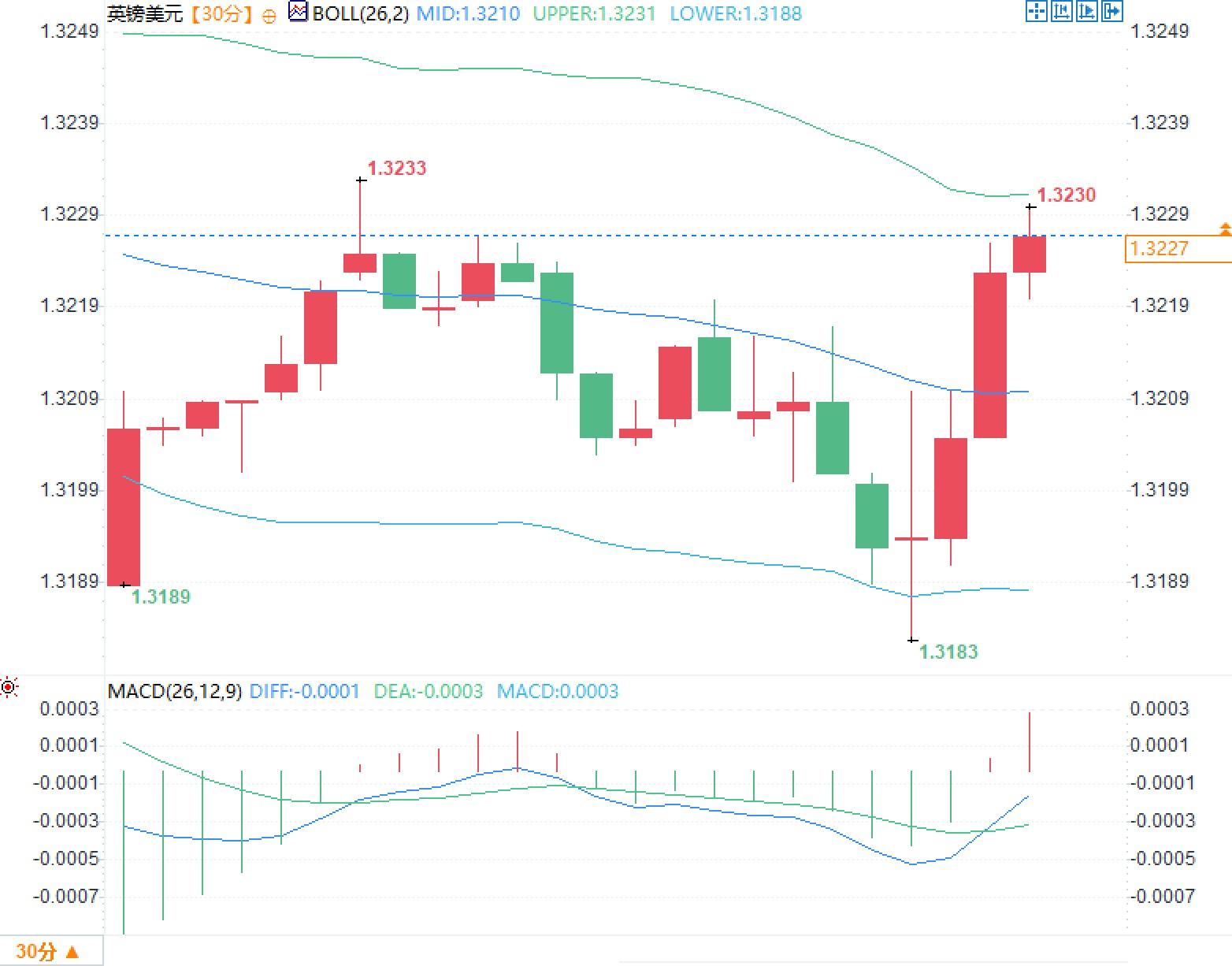
Standard Chartered recently stated that political uncertainty can sometimes present opportunities for asset revaluation, but only if there is a sufficient sell-off in the market. It also pointed out that the market would react differently if Burnham attempted to drive growth through spending. ING also believes that the pound is close to its fair value against the euro in the short term. This assessment has a dual meaning: the market is not currently panicked about a change of government, but the pound will have greater downside potential once fiscal concerns resurface.
Currently, the 10-year UK gilt yield remains around 4.85%, and in May, net public sector debt reached 95.1% of GDP, with public sector borrowing amounting to £23.3 billion and interest payments reaching £11.7 billion. Given this combination of debt and interest rates, any expectation of fiscal easing will first be reflected in the UK gilt curve and the pound's risk reversal.
On the surface, the Prime Minister's resignation and the uncertainty surrounding his successor should have triggered a larger discount in the pound. However, the market reaction this time was relatively restrained because some of the risk had already been priced in. Since the defeat in the May local elections, the question of Starmer's future has continued to escalate, and the pound had already weakened cumulatively. The one-cycle risk reversal in the options market had also already tilted towards a bearish outlook for the pound. This means that the market's initial reaction was more like confirming existing pricing rather than rediscovering risk.
However, restraint does not equate to risk-free. After Burnham won the Makerfield by-election and returned to Parliament, he was seen by the market as a potential key successor. The crucial question is whether the UK bond market is willing to absorb more supply at current yields if the new government attempts to achieve growth through increased fiscal spending. Analysts believe the market will closely observe Burnham's stance on fiscal rules; if fiscal constraints are relaxed, the UK bond market is unlikely to interpret it positively, and the pound will come under pressure. This assessment hits the nail on the head: the pound is currently trading not on party affiliation, but on the credibility of fiscal discipline.
The weakening of the pound in recent weeks has been largely attributed to relative interest rate differentials. The expectation of a Federal Reserve rate hike this year remains, while the Bank of Japan, the European Central Bank, and the Bank of England each face different inflation and growth constraints. The Bank of England's June meeting saw a 7-2 vote to keep the policy rate unchanged at 3.75%, with two members favoring a rate hike to 4%, indicating that inflationary constraints have not disappeared. The May CPI rose 2.8% year-on-year, lower than March's 3.3%, but still above the 2% target.
This means the Bank of England doesn't have enough room to hedge against political shocks with rapid easing. More importantly, the more monetary policy is constrained by inflation, the more easily marginal changes in fiscal policy are amplified by the bond market. If the new government signals more public spending, nationalization, or subsidies, the market will first demand a higher term premium, and then, through higher real financing costs, compress policy space in the reverse. In this environment, the pound is not simply a carry trade currency, but a currency of fiscal credibility.
In the 2026-2027 fiscal year, the UK plans to raise approximately £246.2 billion through the sale of UK bonds, including £12 billion in green bonds. This supply size itself is not new, but with 10-year yields around 4.85% and debt ratios at their highest levels since the 1960s, market tolerance for fiscal setbacks has clearly decreased. Traders need to distinguish between two types of risk: political noise and financing constraints. The former is usually limited in duration, while the latter can alter asset pricing anchors.
From the perspective of the yield curve structure, longer-term yields are more sensitive to fiscal expectations. If the market is concerned about future deficit expansion, 30-year and 10-year UK gilts may react earlier than shorter-term yields; if the risk is concentrated on the Bank of England's path, the 2-year yield will have a higher short-term correlation with the pound. The fact that the pound has not fallen sharply indicates that the market has not yet reached a consensus on fiscal runaway, but it also suggests that if there are subsequent fluctuations in the fiscal team, budget framework, or debt targets, the downside potential for the exchange rate will be reopened.
Standard Chartered recently stated that political uncertainty can sometimes present opportunities for asset revaluation, but only if there is a sufficient sell-off in the market. It also pointed out that the market would react differently if Burnham attempted to drive growth through spending. ING also believes that the pound is close to its fair value against the euro in the short term. This assessment has a dual meaning: the market is not currently panicked about a change of government, but the pound will have greater downside potential once fiscal concerns resurface.
- Risk Warning and Disclaimer
- The market involves risk, and trading may not be suitable for all investors. This article is for reference only and does not constitute personal investment advice, nor does it take into account certain users’ specific investment objectives, financial situation, or other needs. Any investment decisions made based on this information are at your own risk.

