Iran's chief negotiator says the Straits of Hormuz will be under Tehran's permanent control, and the agreement was signed immediately afterward.
2026-06-23 14:25:50
Iran's chief nuclear negotiator and parliament speaker, Mohammad Bagher Ghalibaf, said on Tuesday (June 23) that the Strait of Hormuz will not return to its pre-war status quo, but will instead be governed by Tehran in accordance with international law. This statement came after the first round of US-Iran-Switzerland talks, signifying Iran's search for greater control over this crucial global energy transport route while simultaneously seeking sanctions relief.
Although the US and Iran agreed on Monday to establish communication channels to ensure shipping safety and end the war in Lebanon, Galibaf's remarks highlight Tehran's attempt to institutionalize the strategic advantages gained during the conflict—the governance structure of the Strait of Hormuz is facing a lasting reshaping.
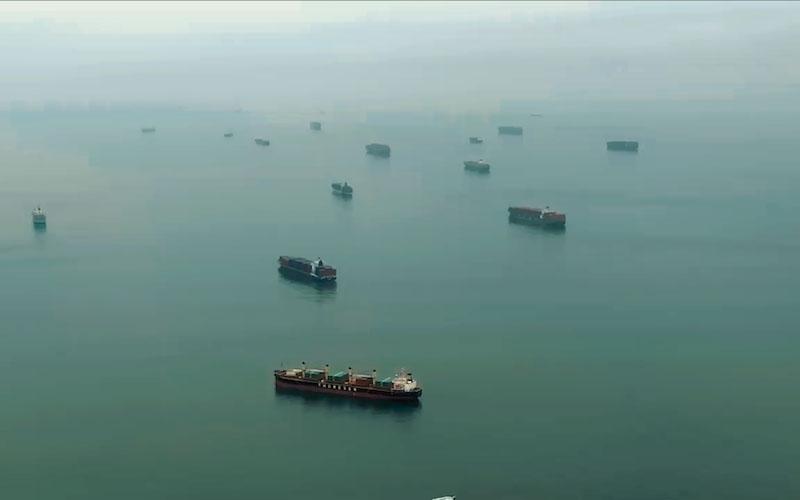
According to the Islamic Republic News Agency (IRNA), after returning to Tehran following negotiations in Switzerland, Galibaf stated, "The Strait of Hormuz will never return to its pre-conflict state and will be administered by the Islamic Republic of Iran in accordance with international law."
In a video posted to his Telegram channel, Galibaf described the talks held at the luxury resort in Burgenstock, Switzerland, as "good results." "In my view, the trip was very successful, especially on the Straits issue, the Lebanon issue, oil waivers, and the unfreezing of frozen assets," he said.
This statement indicates that Iran is attempting to transform its wartime strategic leverage into long-term institutional arrangements, rather than merely temporary ones.
On Monday, mediators Qatar and Pakistan announced that the US and Iran had agreed to establish a communication route "to avoid accidents and miscommunications and to ensure the safe passage of merchant ships" through the Strait of Hormuz. This was one of the main achievements of the first round of negotiations in Switzerland.
Iran had previously closed the Strait of Hormuz during the outbreak of conflict, but reopened it last week under a ceasefire agreement. However, on Saturday, Iran again announced the closure of the Strait, citing Israeli attacks on Lebanon, further escalating tensions.
Shipping tracking data shows that maritime traffic in the Strait of Hormuz continued on Monday, and the speed of navigation was faster than before the US-Iran agreement was reached, indicating that shipping activity is gradually recovering.
On Monday, U.S. Vice President Vance stated that Iran had agreed to allow UN nuclear inspectors to return to the country. Subsequently, the U.S. Treasury Department announced a temporary lifting of sanctions on Iranian oil exports. Under the framework of the agreement, Tehran will also receive partial sanctions relief and the unfreezing of its assets.
However, in the video, Ghalibaf emphasized, "Of course, we believe this work has only just begun and we must continue our efforts," implying that Iran believes the subsequent negotiations still face significant challenges.
Iranian state media reported that Ghalibaf stopped in Oman on his return journey—Oman and Iran share the strategic Strait of Hormuz, and this move may be related to coordinating strait management issues.
Galibaf's statement regarding permanent jurisdiction over the Strait of Hormuz reflects the complex interplay between economic interests and geostrategic control in US-Iran negotiations. While the resumption of shipping and sanctions waivers have brought short-term stability, uncertainties remain regarding long-term arrangements for strait governance, the nuclear issue, and a regional ceasefire. The global energy market needs to continue monitoring the potential impact of Iran's actual control measures on oil transportation and prices.
Q1: What is the core meaning of Galibaf's statement?
A: The Iranian parliament speaker clearly stated that the Strait of Hormuz will not return to its pre-war state and will be under permanent Iranian jurisdiction in accordance with international law. This demonstrates Tehran's desire to transform its strategic advantages during the conflict into institutionalized arrangements, consolidating its control over this vital global energy chokepoint while accepting sanctions relief, rather than simply pursuing a temporary ceasefire.
Q2: What specific achievements have been made in the US-Iran negotiations so far?
A: The two sides have reached a 60-day comprehensive agreement roadmap, established a high-level committee and multiple working groups, and set up communication channels in the Strait of Hormuz and a coordination mechanism for the Lebanese conflict. The United States has temporarily lifted sanctions on Iranian oil exports and agreed to partially unfreeze assets. Iran has agreed to allow UN nuclear inspectors to return, indicating initial technical progress in the negotiations.
Q3: What is the current navigation status of the Strait of Hormuz?
A: Despite Iran's brief announcement of the closure, shipping tracking data from Monday showed that navigation in the Strait is resuming at a faster pace than before the agreement. The US and Iran have established a communication mechanism to ensure the safe passage of merchant ships. However, Iran's pursuit of permanent control may lead to adjustments in future navigation rules, and uncertainty remains regarding approximately 20% of global oil shipments.
Q4: What impact will this statement have on the global energy market?
A: In the short term, sanctions waivers and the resumption of shipping have eased concerns about supply disruptions, putting downward pressure on oil prices. However, Iran's intention to strengthen controls could lead to a sustained geopolitical risk premium, affecting shipping costs, insurance rates, and the stability of the energy supply chain. Investors should pay attention to the potential upward pressure on WTI and Brent crude oil prices from actual control measures.
Q5: What are the main challenges facing the follow-up negotiations between the US and Iran?
A: Core disagreements include restrictions on Iran's nuclear program, the governance model for the Strait of Hormuz, the sustainability of the ceasefire in Lebanon, and the scale of asset unfreezing. Galibaf's statement that "the work has only just begun" indicates Iran's hardline stance. Domestic political pressure in the United States and Israel's attitude are also important variables. Whether an agreement can be ultimately successful or not will depend on whether economic incentives and strategic concessions can be balanced within the 60-day window.
Although the US and Iran agreed on Monday to establish communication channels to ensure shipping safety and end the war in Lebanon, Galibaf's remarks highlight Tehran's attempt to institutionalize the strategic advantages gained during the conflict—the governance structure of the Strait of Hormuz is facing a lasting reshaping.
"The Strait will not return to its pre-conflict state": Iran seeks permanent control.
According to the Islamic Republic News Agency (IRNA), after returning to Tehran following negotiations in Switzerland, Galibaf stated, "The Strait of Hormuz will never return to its pre-conflict state and will be administered by the Islamic Republic of Iran in accordance with international law."
In a video posted to his Telegram channel, Galibaf described the talks held at the luxury resort in Burgenstock, Switzerland, as "good results." "In my view, the trip was very successful, especially on the Straits issue, the Lebanon issue, oil waivers, and the unfreezing of frozen assets," he said.
This statement indicates that Iran is attempting to transform its wartime strategic leverage into long-term institutional arrangements, rather than merely temporary ones.
Communication channels have been established, and shipping is gradually resuming.
On Monday, mediators Qatar and Pakistan announced that the US and Iran had agreed to establish a communication route "to avoid accidents and miscommunications and to ensure the safe passage of merchant ships" through the Strait of Hormuz. This was one of the main achievements of the first round of negotiations in Switzerland.
Iran had previously closed the Strait of Hormuz during the outbreak of conflict, but reopened it last week under a ceasefire agreement. However, on Saturday, Iran again announced the closure of the Strait, citing Israeli attacks on Lebanon, further escalating tensions.
Shipping tracking data shows that maritime traffic in the Strait of Hormuz continued on Monday, and the speed of navigation was faster than before the US-Iran agreement was reached, indicating that shipping activity is gradually recovering.
Sanctions waivers have been granted, but Iran says "the work has only just begun."
On Monday, U.S. Vice President Vance stated that Iran had agreed to allow UN nuclear inspectors to return to the country. Subsequently, the U.S. Treasury Department announced a temporary lifting of sanctions on Iranian oil exports. Under the framework of the agreement, Tehran will also receive partial sanctions relief and the unfreezing of its assets.
However, in the video, Ghalibaf emphasized, "Of course, we believe this work has only just begun and we must continue our efforts," implying that Iran believes the subsequent negotiations still face significant challenges.
Iranian state media reported that Ghalibaf stopped in Oman on his return journey—Oman and Iran share the strategic Strait of Hormuz, and this move may be related to coordinating strait management issues.
Editor's Summary
Galibaf's statement regarding permanent jurisdiction over the Strait of Hormuz reflects the complex interplay between economic interests and geostrategic control in US-Iran negotiations. While the resumption of shipping and sanctions waivers have brought short-term stability, uncertainties remain regarding long-term arrangements for strait governance, the nuclear issue, and a regional ceasefire. The global energy market needs to continue monitoring the potential impact of Iran's actual control measures on oil transportation and prices.
Frequently Asked Questions
Q1: What is the core meaning of Galibaf's statement?
A: The Iranian parliament speaker clearly stated that the Strait of Hormuz will not return to its pre-war state and will be under permanent Iranian jurisdiction in accordance with international law. This demonstrates Tehran's desire to transform its strategic advantages during the conflict into institutionalized arrangements, consolidating its control over this vital global energy chokepoint while accepting sanctions relief, rather than simply pursuing a temporary ceasefire.
Q2: What specific achievements have been made in the US-Iran negotiations so far?
A: The two sides have reached a 60-day comprehensive agreement roadmap, established a high-level committee and multiple working groups, and set up communication channels in the Strait of Hormuz and a coordination mechanism for the Lebanese conflict. The United States has temporarily lifted sanctions on Iranian oil exports and agreed to partially unfreeze assets. Iran has agreed to allow UN nuclear inspectors to return, indicating initial technical progress in the negotiations.
Q3: What is the current navigation status of the Strait of Hormuz?
A: Despite Iran's brief announcement of the closure, shipping tracking data from Monday showed that navigation in the Strait is resuming at a faster pace than before the agreement. The US and Iran have established a communication mechanism to ensure the safe passage of merchant ships. However, Iran's pursuit of permanent control may lead to adjustments in future navigation rules, and uncertainty remains regarding approximately 20% of global oil shipments.
Q4: What impact will this statement have on the global energy market?
A: In the short term, sanctions waivers and the resumption of shipping have eased concerns about supply disruptions, putting downward pressure on oil prices. However, Iran's intention to strengthen controls could lead to a sustained geopolitical risk premium, affecting shipping costs, insurance rates, and the stability of the energy supply chain. Investors should pay attention to the potential upward pressure on WTI and Brent crude oil prices from actual control measures.
Q5: What are the main challenges facing the follow-up negotiations between the US and Iran?
A: Core disagreements include restrictions on Iran's nuclear program, the governance model for the Strait of Hormuz, the sustainability of the ceasefire in Lebanon, and the scale of asset unfreezing. Galibaf's statement that "the work has only just begun" indicates Iran's hardline stance. Domestic political pressure in the United States and Israel's attitude are also important variables. Whether an agreement can be ultimately successful or not will depend on whether economic incentives and strategic concessions can be balanced within the 60-day window.
- Risk Warning and Disclaimer
- The market involves risk, and trading may not be suitable for all investors. This article is for reference only and does not constitute personal investment advice, nor does it take into account certain users’ specific investment objectives, financial situation, or other needs. Any investment decisions made based on this information are at your own risk.