Oil prices once fell below $73! More than 30 million barrels of Iranian crude oil have been shipped to Asia. How much geopolitical risk premium is left?
2026-06-23 16:39:20
On Tuesday (June 23), during the European session, US crude oil futures fell by more than 1.5% to $72.56 per barrel, approaching the low since March. It is currently trading around $73.40 per barrel.
Commerzbank released a report on Monday stating that diplomatic progress in US-Iran negotiations is putting pressure on oil prices.
The 60-day license issued by the United States allows Iran to sell crude oil on the international market, and more than 30 million barrels of crude oil have been shipped from Iran to Asia in the past week. The prospect of increased Iranian supply is considered a key driver of the recent decline in oil prices.
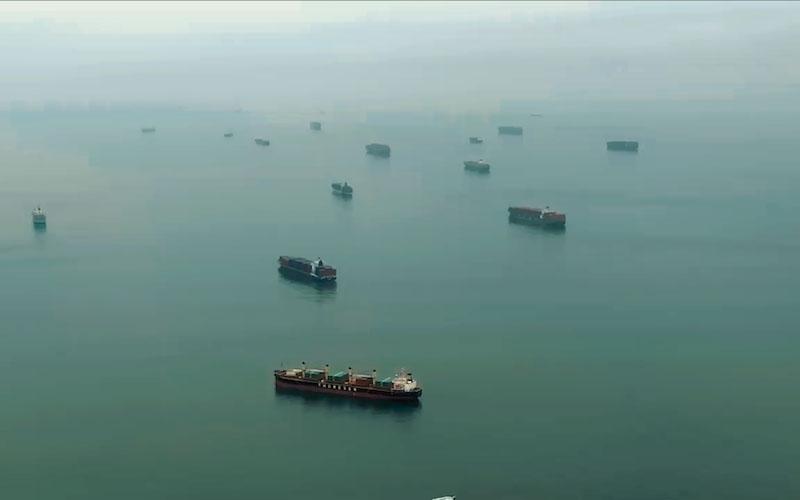
Commerzbank's report provides a detailed analysis, stating that the core theme of the overnight market was the significant diplomatic progress achieved in the US-Iran peace talks. This development not only directly pushed down international oil prices but also created a complex, mixed backdrop for global stock markets. On the one hand, the easing of geopolitical tensions boosted market risk appetite; on the other hand, expectations of a potential rapid increase in crude oil supply put significant downward pressure on the energy sector.
The United States subsequently issued a special 60-day license, allowing Iran to legally sell oil on the international market. This move is seen as a significant easing of long-standing and stringent sanctions, marking a steady step towards signing a permanent peace agreement as soon as possible, building on the 60-day framework agreement initially reached last week.
Analysts believe that the issuance of this license not only opens a legal channel for Iranian oil exports, but also sends a strong signal that the United States is willing to resolve the Middle East energy crisis through diplomatic means, which helps to reduce market concerns about sudden conflicts.
The report specifically emphasizes that prior to the formal signing of the waiver by the United States, more than 30 million barrels of Iranian crude oil had been shipped from ports in the past week, primarily destined for major Asian economies. This figure far exceeded previous market expectations, highlighting Iran's strong export execution capabilities even in the early stages of the sanctions easing.
As one of the world's major oil producers, Iran's crude oil is mainly heavy oil, which is primarily sold to refineries in Asia, such as China and India.
The potential scale and speed of Iranian crude oil's return to the global market were the core driving factor suppressing oil prices in overnight trading. There are widespread concerns that if negotiations continue within the 60-day window, Iran's daily exports could rapidly rebound to historically high levels, significantly altering the current global oil supply and demand balance.
On Tuesday, both Brent crude oil futures and WTI crude oil futures prices fell by more than 1.5%, influenced by positive signs of progress in US-Iran negotiations and the imminent large-scale return of Iranian oil to the market.
Traders believe that the price adjustment mainly reflects the rapid release of geopolitical risk premiums, which were previously accumulated due to tensions in the Middle East and are now being replaced by the reality of increased supply.
Commerzbank's analysis clearly outlines the current logic of the oil market: positive progress in US-Iran negotiations is translating into expectations of an accelerated return of Iranian crude oil to the market, and this expectation is rapidly squeezing out previously accumulated geopolitical risk premiums. The fact that over 30 million barrels have already been shipped to Asia further reinforces the market's assessment of increased supply.
In the short term, oil price movements will heavily depend on the progress of US-Iran negotiations and the speed at which Iranian crude oil actually returns to the market. If both sides continue to release positive signals within the 60-day framework, oil prices may face further downward pressure; conversely, any sign of stalled negotiations could trigger a rapid rebound in geopolitical risk premiums.
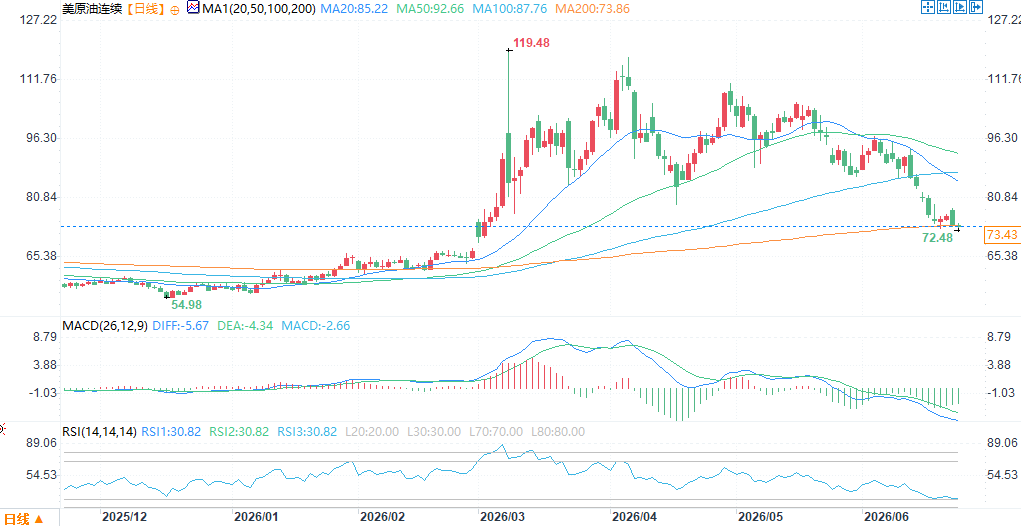
(US crude oil futures daily chart, source: FX678)
At 16:07 Beijing time on June 23, US crude oil futures were trading at $73.44 per barrel.
Commerzbank released a report on Monday stating that diplomatic progress in US-Iran negotiations is putting pressure on oil prices.
The 60-day license issued by the United States allows Iran to sell crude oil on the international market, and more than 30 million barrels of crude oil have been shipped from Iran to Asia in the past week. The prospect of increased Iranian supply is considered a key driver of the recent decline in oil prices.
US-Iran negotiations: Diplomatic progress dominates market sentiment
Commerzbank's report provides a detailed analysis, stating that the core theme of the overnight market was the significant diplomatic progress achieved in the US-Iran peace talks. This development not only directly pushed down international oil prices but also created a complex, mixed backdrop for global stock markets. On the one hand, the easing of geopolitical tensions boosted market risk appetite; on the other hand, expectations of a potential rapid increase in crude oil supply put significant downward pressure on the energy sector.
The United States subsequently issued a special 60-day license, allowing Iran to legally sell oil on the international market. This move is seen as a significant easing of long-standing and stringent sanctions, marking a steady step towards signing a permanent peace agreement as soon as possible, building on the 60-day framework agreement initially reached last week.
Analysts believe that the issuance of this license not only opens a legal channel for Iranian oil exports, but also sends a strong signal that the United States is willing to resolve the Middle East energy crisis through diplomatic means, which helps to reduce market concerns about sudden conflicts.
Iranian supplies: Over 30 million barrels have been shipped to Asia
The report specifically emphasizes that prior to the formal signing of the waiver by the United States, more than 30 million barrels of Iranian crude oil had been shipped from ports in the past week, primarily destined for major Asian economies. This figure far exceeded previous market expectations, highlighting Iran's strong export execution capabilities even in the early stages of the sanctions easing.
As one of the world's major oil producers, Iran's crude oil is mainly heavy oil, which is primarily sold to refineries in Asia, such as China and India.
The potential scale and speed of Iranian crude oil's return to the global market were the core driving factor suppressing oil prices in overnight trading. There are widespread concerns that if negotiations continue within the 60-day window, Iran's daily exports could rapidly rebound to historically high levels, significantly altering the current global oil supply and demand balance.
Oil price reaction
On Tuesday, both Brent crude oil futures and WTI crude oil futures prices fell by more than 1.5%, influenced by positive signs of progress in US-Iran negotiations and the imminent large-scale return of Iranian oil to the market.
Traders believe that the price adjustment mainly reflects the rapid release of geopolitical risk premiums, which were previously accumulated due to tensions in the Middle East and are now being replaced by the reality of increased supply.
Summary: Supply-side pressures dominate short-term price movements.
Commerzbank's analysis clearly outlines the current logic of the oil market: positive progress in US-Iran negotiations is translating into expectations of an accelerated return of Iranian crude oil to the market, and this expectation is rapidly squeezing out previously accumulated geopolitical risk premiums. The fact that over 30 million barrels have already been shipped to Asia further reinforces the market's assessment of increased supply.
In the short term, oil price movements will heavily depend on the progress of US-Iran negotiations and the speed at which Iranian crude oil actually returns to the market. If both sides continue to release positive signals within the 60-day framework, oil prices may face further downward pressure; conversely, any sign of stalled negotiations could trigger a rapid rebound in geopolitical risk premiums.
(US crude oil futures daily chart, source: FX678)
At 16:07 Beijing time on June 23, US crude oil futures were trading at $73.44 per barrel.
- Risk Warning and Disclaimer
- The market involves risk, and trading may not be suitable for all investors. This article is for reference only and does not constitute personal investment advice, nor does it take into account certain users’ specific investment objectives, financial situation, or other needs. Any investment decisions made based on this information are at your own risk.