The Federal Reserve's latest statement: Economic resilience allows high interest rates to continue, but there is no need to raise rates.
2026-06-26 18:10:51
This document, prepared for the Ukraine Monetary Fund seminar and released officially on a regular basis, is also the first systematic policy statement from a core official after the Federal Reserve's June interest rate meeting. It clarifies the current state of the US economy, the logic of declining inflation, and the framework for monetary policy operation, providing important guidance for market interest rate forecasts.
John C. Williams is the current president of the Federal Reserve Bank of New York and a key decision-maker in the Federal Reserve system. He is known in the market as the third most important person in the Federal Reserve, after the chairman and vice chairman.
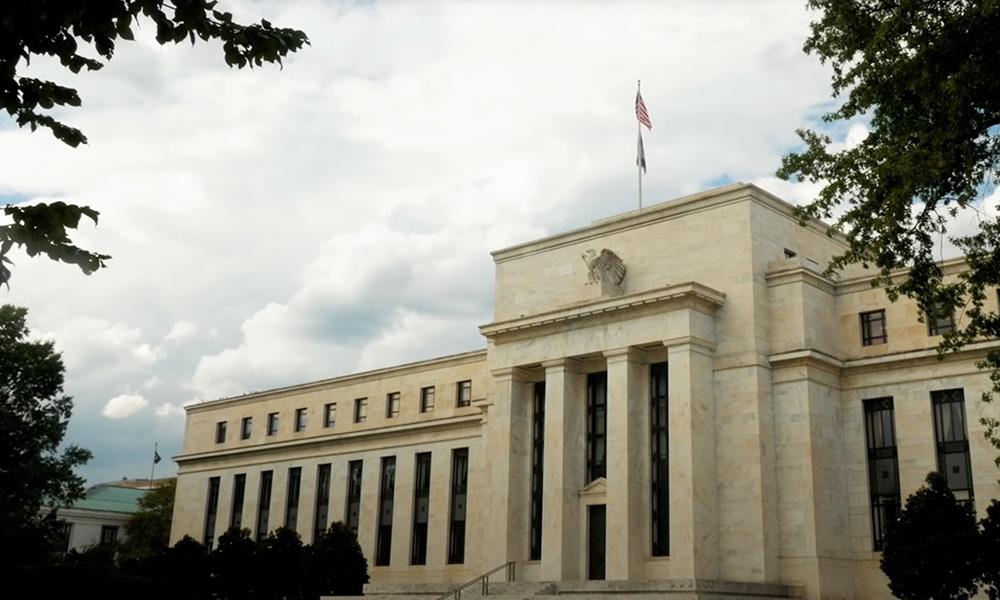
Despite the risks to global supply chains and commodities brought about by geopolitical conflicts in the Middle East, the US economy has demonstrated strong resilience and has fully absorbed external shocks.
Currently, US consumer spending remains robust, and business investment is growing steadily. In particular, the investment boom in the field of artificial intelligence has become the core driving force supporting economic growth and helping the economy operate smoothly in an uncertain environment.
The robust and positive job market provides solid support for the Federal Reserve's monetary policy.
The US unemployment rate remained stable at 4.3%, with minimal fluctuations throughout the year. Several employment indicators, including job vacancies, unemployment claims, and labor mobility, remained generally stable with slight improvements.
Previously warned indicators such as the New York Fed's "job security gap" have stabilized, indicating that labor market risks have been largely cleared and the overall market is operating well.
Inflation remains the core constraint on current monetary policy, with US inflation currently significantly higher than the Federal Reserve's long-term target of 2%.
This round of high inflation is mainly driven by three factors: import tariffs raising commodity prices, the Middle East conflict pushing up energy and commodity prices, and the AI investment boom leading to overheated demand for technology products . These multiple forces have jointly pushed up domestic price levels.
Despite inflation remaining high, Williams clearly outlined four supporting arguments for a steady decline in inflation: the inflationary transmission effect of tariffs has largely been exhausted, and new tariffs are unlikely to generate additional upward pressure on prices.
Supply chain disruptions in the Strait of Hormuz are expected to ease, and energy prices are expected to stabilize and decline within the year; housing rent increases are slowing, and housing inflation, which carries a very high weight, continues to cool down; the labor market has not experienced a wage inflation spiral and will not further push up prices.
Market expectations for medium- to long-term inflation remain generally stable, and there has been no panic or panic.
Data from the Federal Reserve Bank of New York shows that long-term inflation expectations in the United States over the past three and five years have remained largely stable, confirming that the current rise in inflation is a phase.
According to the Federal Reserve's forecast, US inflation will fall back to 3.5% by the end of this year, steadily approach the 2% target in 2027, and officially achieve the policy target in 2028. The inflation recovery will be a long-term and gradual process.
Based on the current economic fundamentals, the Federal Reserve decided at its June policy meeting to maintain the benchmark interest rate range at 3.5%–3.75% , and made it clear that the current interest rate level is appropriate for the current economic situation and sufficient to suppress inflation.
Institutions predict that the US GDP growth rate will be about 2.25% this year and over the next two years, slightly higher than the potential growth rate. The job market continues to improve, and the unemployment rate is expected to fall to a healthy level of 4% by 2028.
At the same time , the Federal Reserve also warned of two risks: overheated investment in AI may unexpectedly push up prices and delay the cooling of inflation; geopolitical conflicts in the Middle East continue to disrupt global supply chains, posing a dual uncertainty to growth and inflation; and subsequent policies will continue to weigh the risks and make dynamic adjustments.
This speech provided a detailed explanation of the Federal Reserve's current mature monetary policy operating framework.
The size of the reserve supply is the most important tool for controlling interest rates. If the market federal funds rate...美国与中国相反,逆回购是美联储吸收流动性)吸收多余的银行之间的拆解资金,保住利率下限。
Finally, the Standing Repurchase Facility (SRF) (when institutions are short of funds, they can use eligible Treasury bonds/MBS as collateral to borrow money from the Federal Reserve at the cost of the SRF rate) was used to prevent interest rates from breaking through the top of the corridor.
The Federal Reserve currently employs an ample reserve system, using a two-tiered approach to stabilize the interest rate range: it uses the reserve balance rate and overnight reverse repurchase agreements to establish a lower limit for the interest rate, and uses standing repurchase agreements to lock in the upper limit of the interest rate, flexibly offsetting market liquidity fluctuations and ensuring the smooth operation of the federal funds rate.
In terms of liquidity management, the Federal Reserve uses Reserve Purchase Operations (RMP, where the Federal Reserve actively purchases Treasury bonds with maturities of 3 years or less to release liquidity) to offset seasonal and policy-driven fluctuations in reserves, which is jokingly referred to as a lightweight form of QE.
Since anticipating the risk of liquidity loss during the tax season last December and initiating a monthly bond-buying operation of $40 billion, the Federal Reserve has gradually reduced its bond purchases to $25 billion and then $10 billion based on market changes, flexibly maintaining ample liquidity in the market and ensuring the efficient transmission of monetary policy.
Overall, the Federal Reserve's current policy approach is clear, with the core mission of "controlling inflation and stabilizing employment." Before inflation sustains and steadily returns to the 2% target, the overall policy tone is conservative, and there is no room for a shift towards easing.
However, considering Williams' latest remarks and the macroeconomic fundamentals, the July FOMC meeting has essentially ruled out a rate hike, and the willingness to raise rates proactively in the short term is extremely low.
The current interest rate range is in line with the current state of the US economy and can steadily suppress inflation. Coupled with the clear logic of cooling inflation and the anchoring of long-term inflation expectations, the Federal Reserve has no intention of actively raising interest rates in the short term. It will only restart interest rate hikes to support inflation when extreme risks such as soaring energy prices, overheated AI investment, or renewed supply chain disruptions push inflation up.
The overall benchmark for the year is no interest rate hikes, no interest rate cuts, and maintaining high interest rates. The high interest rate platform will continue for a long time, and the earliest window for interest rate cuts is expected to be 2027. After inflation reaches the target in 2028, a policy shift may occur.
Key indicators to watch include: core PCE inflation, housing and rent data, non-farm payrolls growth, international energy prices, Middle East supply chain risks, and AI investment enthusiasm. These indicators will directly determine the pace and timing of the Fed's interest rate adjustments, which will also provide some support for long-term commodities such as gold.
John C. Williams is the current president of the Federal Reserve Bank of New York and a key decision-maker in the Federal Reserve system. He is known in the market as the third most important person in the Federal Reserve, after the chairman and vice chairman.
The overall resilience of the US economy and the overall stability of the job market are evident.
Despite the risks to global supply chains and commodities brought about by geopolitical conflicts in the Middle East, the US economy has demonstrated strong resilience and has fully absorbed external shocks.
Currently, US consumer spending remains robust, and business investment is growing steadily. In particular, the investment boom in the field of artificial intelligence has become the core driving force supporting economic growth and helping the economy operate smoothly in an uncertain environment.
The robust and positive job market provides solid support for the Federal Reserve's monetary policy.
The US unemployment rate remained stable at 4.3%, with minimal fluctuations throughout the year. Several employment indicators, including job vacancies, unemployment claims, and labor mobility, remained generally stable with slight improvements.
Previously warned indicators such as the New York Fed's "job security gap" have stabilized, indicating that labor market risks have been largely cleared and the overall market is operating well.
Core drivers of high inflation
Inflation remains the core constraint on current monetary policy, with US inflation currently significantly higher than the Federal Reserve's long-term target of 2%.
This round of high inflation is mainly driven by three factors: import tariffs raising commodity prices, the Middle East conflict pushing up energy and commodity prices, and the AI investment boom leading to overheated demand for technology products . These multiple forces have jointly pushed up domestic price levels.
Despite inflation remaining high, Williams clearly outlined four supporting arguments for a steady decline in inflation: the inflationary transmission effect of tariffs has largely been exhausted, and new tariffs are unlikely to generate additional upward pressure on prices.
Supply chain disruptions in the Strait of Hormuz are expected to ease, and energy prices are expected to stabilize and decline within the year; housing rent increases are slowing, and housing inflation, which carries a very high weight, continues to cool down; the labor market has not experienced a wage inflation spiral and will not further push up prices.
The prolonged period of inflation decline carries risks, but current interest rates are appropriate.
Market expectations for medium- to long-term inflation remain generally stable, and there has been no panic or panic.
Data from the Federal Reserve Bank of New York shows that long-term inflation expectations in the United States over the past three and five years have remained largely stable, confirming that the current rise in inflation is a phase.
According to the Federal Reserve's forecast, US inflation will fall back to 3.5% by the end of this year, steadily approach the 2% target in 2027, and officially achieve the policy target in 2028. The inflation recovery will be a long-term and gradual process.
Based on the current economic fundamentals, the Federal Reserve decided at its June policy meeting to maintain the benchmark interest rate range at 3.5%–3.75% , and made it clear that the current interest rate level is appropriate for the current economic situation and sufficient to suppress inflation.
Institutions predict that the US GDP growth rate will be about 2.25% this year and over the next two years, slightly higher than the potential growth rate. The job market continues to improve, and the unemployment rate is expected to fall to a healthy level of 4% by 2028.
At the same time , the Federal Reserve also warned of two risks: overheated investment in AI may unexpectedly push up prices and delay the cooling of inflation; geopolitical conflicts in the Middle East continue to disrupt global supply chains, posing a dual uncertainty to growth and inflation; and subsequent policies will continue to weigh the risks and make dynamic adjustments.
Federal Reserve Monetary Policy Operations Framework
This speech provided a detailed explanation of the Federal Reserve's current mature monetary policy operating framework.
The size of the reserve supply is the most important tool for controlling interest rates. If the market federal funds rate...
Finally, the Standing Repurchase Facility (SRF) (when institutions are short of funds, they can use eligible Treasury bonds/MBS as collateral to borrow money from the Federal Reserve at the cost of the SRF rate) was used to prevent interest rates from breaking through the top of the corridor.
The Federal Reserve currently employs an ample reserve system, using a two-tiered approach to stabilize the interest rate range: it uses the reserve balance rate and overnight reverse repurchase agreements to establish a lower limit for the interest rate, and uses standing repurchase agreements to lock in the upper limit of the interest rate, flexibly offsetting market liquidity fluctuations and ensuring the smooth operation of the federal funds rate.
In terms of liquidity management, the Federal Reserve uses Reserve Purchase Operations (RMP, where the Federal Reserve actively purchases Treasury bonds with maturities of 3 years or less to release liquidity) to offset seasonal and policy-driven fluctuations in reserves, which is jokingly referred to as a lightweight form of QE.
Since anticipating the risk of liquidity loss during the tax season last December and initiating a monthly bond-buying operation of $40 billion, the Federal Reserve has gradually reduced its bond purchases to $25 billion and then $10 billion based on market changes, flexibly maintaining ample liquidity in the market and ensuring the efficient transmission of monetary policy.
Overall policy tone and key tracking indicators
Overall, the Federal Reserve's current policy approach is clear, with the core mission of "controlling inflation and stabilizing employment." Before inflation sustains and steadily returns to the 2% target, the overall policy tone is conservative, and there is no room for a shift towards easing.
However, considering Williams' latest remarks and the macroeconomic fundamentals, the July FOMC meeting has essentially ruled out a rate hike, and the willingness to raise rates proactively in the short term is extremely low.
The current interest rate range is in line with the current state of the US economy and can steadily suppress inflation. Coupled with the clear logic of cooling inflation and the anchoring of long-term inflation expectations, the Federal Reserve has no intention of actively raising interest rates in the short term. It will only restart interest rate hikes to support inflation when extreme risks such as soaring energy prices, overheated AI investment, or renewed supply chain disruptions push inflation up.
The overall benchmark for the year is no interest rate hikes, no interest rate cuts, and maintaining high interest rates. The high interest rate platform will continue for a long time, and the earliest window for interest rate cuts is expected to be 2027. After inflation reaches the target in 2028, a policy shift may occur.
Key indicators to watch include: core PCE inflation, housing and rent data, non-farm payrolls growth, international energy prices, Middle East supply chain risks, and AI investment enthusiasm. These indicators will directly determine the pace and timing of the Fed's interest rate adjustments, which will also provide some support for long-term commodities such as gold.
- Risk Warning and Disclaimer
- The market involves risk, and trading may not be suitable for all investors. This article is for reference only and does not constitute personal investment advice, nor does it take into account certain users’ specific investment objectives, financial situation, or other needs. Any investment decisions made based on this information are at your own risk.