After foreign investors net sold £5.5 billion, the real pressure on UK bonds is only just beginning to emerge.
2026-06-29 20:13:44
On Monday, June 29th, the yield on 10-year UK government bonds was 4.73%, down about 15 basis points from a month ago, but still significantly higher than the Bank of England's policy rate of 3.75%. Bank of England fund flow data for May showed that non-residents were net sellers of £5.5 billion in UK government bonds, ending a continuous net buying streak since August last year; domestic investors were net buyers of £19.1 billion during the same period. On the surface, domestic funds absorbed the supply, and the market did not experience disorder; in reality, the high coupon rate has not eliminated the resonance of political uncertainty, fiscal supply, and term premium. The UK bond market is not being reassessed by a single interest rate decision, but rather by whether medium- to long-term fiscal constraints can be stably implemented.
Non-resident funds are not a single pool; they include reserve management funds as well as institutions allocating UK bonds based on foreign exchange hedging, repurchase financing, and relative value strategies. These two types of funds react very differently to rising yields: the former prioritizes liquidity and asset allocation, while the latter focuses more on hedging returns, financing conditions, and volatility. The net selling in May was not primarily due to the absolute size of £5.5 billion, but rather because rising yields were insufficient to offset the tail risks arising from the uncertainty of the policy path.

This means that marginal buying of UK bonds is demanding higher risk compensation. Net domestic purchases of £19.1 billion buffered immediate selling pressure but cannot automatically form a long-term price anchor. Pension, insurance, and bank purchases are often influenced by liability matching, regulatory liquidity, and balance sheet constraints; their duration demand is not unlimited. Having "buyers" in terms of liquidity and "falling risk premium" in terms of pricing are two different things.
UK public sector net borrowing in May was £23.3 billion, £5.6 billion higher than the official budget forecast; cumulative borrowing for the first two months of the fiscal year reached £46.3 billion, £7.7 billion higher than forecast. Public sector net debt during the same period was approximately 95.1% of GDP. Interest payments on central government debt in May reached £11.7 billion, a record high for May, of which £4.9 billion came from principal increases on bonds linked to the retail price index.
More importantly, fiscal financing is not the only source of supply. The Bank of England previously set a target of reducing its holdings of UK bonds under its asset purchase program by £70 billion within the 12 months ending September 2026, including non-renewal of maturing bonds and proactive sales. The accounting treatment for these two channels differs, but both require the private sector to increase its marginal absorption capacity for UK bonds. If fiscal figures consistently deviate from forecasts, the market will first increase the term premium for long-term bonds, rather than waiting for explanations in the annual budget document.
As of June 29, the yields on 2-year UK gilts were 4.15%, 10-year gilts were 4.73%, and 30-year gilts were 5.45%. The term spread between 2 and 10 years was approximately 58 basis points, and between 10 and 30 years was approximately 72 basis points. The shorter-term yields being higher than the policy rate of 3.75% indicate that the market has not simply priced in a rapid easing of interest rates; the longer-term and ultra-long-term yields are even higher, reflecting that inflation, bond issuance supply, and fiscal credibility have collectively increased the term premium.
The Consumer Price Index (CPI) rose 2.8% year-on-year in May, but the Bank of England expects inflation to be slightly below 3% in the third quarter and slightly above 3.25% in the fourth quarter. The June policy meeting maintained the rate at 3.75% by a 7-2 vote, with two members advocating for a 25 basis point hike. For the interest rate market, this combination limits the linear narrative that "falling inflation will lower long-term yields." Even with easing short-term energy price volatility, long-term yields may maintain an independent high valuation discount if fiscal supply expectations and political uncertainty do not decrease.
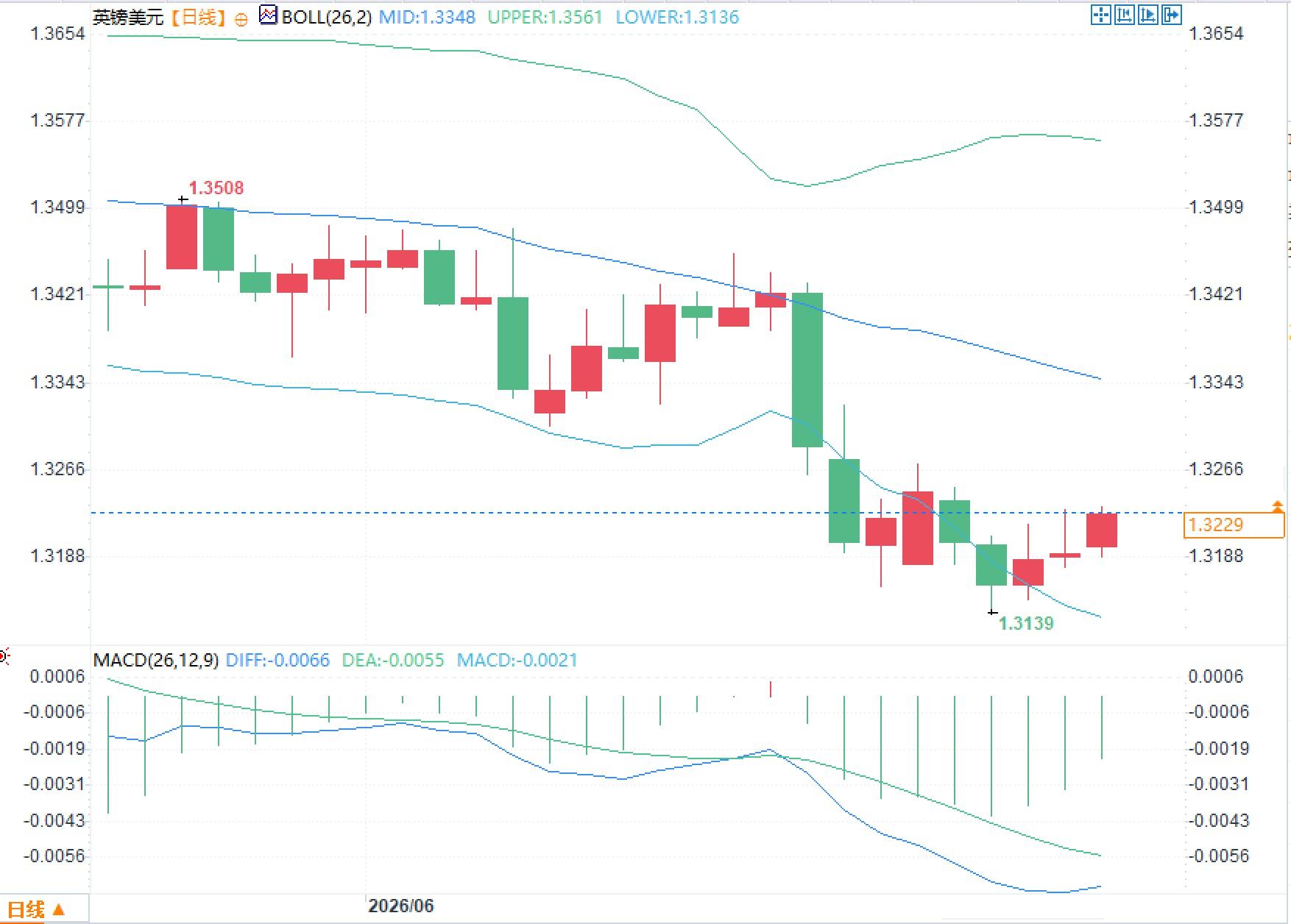
With the leadership transition still incomplete, market focus is not on the personnel news itself, but rather on whether the new leadership can quickly deliver verifiable fiscal constraints. The sensitivity of UK bonds to political changes typically manifests through four key aspects: whether fiscal rules remain enforceable, whether spending and tax commitments cover funding sources, whether the Chancellor's stance on economic policy is consistent, and whether the bond issuance plan and repurchase market liquidity can withstand the reduction of leveraged funds.
This is why foreign capital flows are more worthy of tracking than daily yields. A recent study by the Bank of England indicates that non-residents and other financial institutions have higher demand elasticity, and leveraged funds may adjust their positions more quickly when financing conditions tighten, thus amplifying yield volatility. For market pricing, in the short term, it's not important to observe emotional statements, but rather whether fiscal forecast errors converge, whether term spreads continue to widen, and whether auction demand and repurchase financing are simultaneously under pressure.
Non-resident funds are not a single pool; they include reserve management funds as well as institutions allocating UK bonds based on foreign exchange hedging, repurchase financing, and relative value strategies. These two types of funds react very differently to rising yields: the former prioritizes liquidity and asset allocation, while the latter focuses more on hedging returns, financing conditions, and volatility. The net selling in May was not primarily due to the absolute size of £5.5 billion, but rather because rising yields were insufficient to offset the tail risks arising from the uncertainty of the policy path.
This means that marginal buying of UK bonds is demanding higher risk compensation. Net domestic purchases of £19.1 billion buffered immediate selling pressure but cannot automatically form a long-term price anchor. Pension, insurance, and bank purchases are often influenced by liability matching, regulatory liquidity, and balance sheet constraints; their duration demand is not unlimited. Having "buyers" in terms of liquidity and "falling risk premium" in terms of pricing are two different things.
UK public sector net borrowing in May was £23.3 billion, £5.6 billion higher than the official budget forecast; cumulative borrowing for the first two months of the fiscal year reached £46.3 billion, £7.7 billion higher than forecast. Public sector net debt during the same period was approximately 95.1% of GDP. Interest payments on central government debt in May reached £11.7 billion, a record high for May, of which £4.9 billion came from principal increases on bonds linked to the retail price index.
More importantly, fiscal financing is not the only source of supply. The Bank of England previously set a target of reducing its holdings of UK bonds under its asset purchase program by £70 billion within the 12 months ending September 2026, including non-renewal of maturing bonds and proactive sales. The accounting treatment for these two channels differs, but both require the private sector to increase its marginal absorption capacity for UK bonds. If fiscal figures consistently deviate from forecasts, the market will first increase the term premium for long-term bonds, rather than waiting for explanations in the annual budget document.
As of June 29, the yields on 2-year UK gilts were 4.15%, 10-year gilts were 4.73%, and 30-year gilts were 5.45%. The term spread between 2 and 10 years was approximately 58 basis points, and between 10 and 30 years was approximately 72 basis points. The shorter-term yields being higher than the policy rate of 3.75% indicate that the market has not simply priced in a rapid easing of interest rates; the longer-term and ultra-long-term yields are even higher, reflecting that inflation, bond issuance supply, and fiscal credibility have collectively increased the term premium.
The Consumer Price Index (CPI) rose 2.8% year-on-year in May, but the Bank of England expects inflation to be slightly below 3% in the third quarter and slightly above 3.25% in the fourth quarter. The June policy meeting maintained the rate at 3.75% by a 7-2 vote, with two members advocating for a 25 basis point hike. For the interest rate market, this combination limits the linear narrative that "falling inflation will lower long-term yields." Even with easing short-term energy price volatility, long-term yields may maintain an independent high valuation discount if fiscal supply expectations and political uncertainty do not decrease.
With the leadership transition still incomplete, market focus is not on the personnel news itself, but rather on whether the new leadership can quickly deliver verifiable fiscal constraints. The sensitivity of UK bonds to political changes typically manifests through four key aspects: whether fiscal rules remain enforceable, whether spending and tax commitments cover funding sources, whether the Chancellor's stance on economic policy is consistent, and whether the bond issuance plan and repurchase market liquidity can withstand the reduction of leveraged funds.
This is why foreign capital flows are more worthy of tracking than daily yields. A recent study by the Bank of England indicates that non-residents and other financial institutions have higher demand elasticity, and leveraged funds may adjust their positions more quickly when financing conditions tighten, thus amplifying yield volatility. For market pricing, in the short term, it's not important to observe emotional statements, but rather whether fiscal forecast errors converge, whether term spreads continue to widen, and whether auction demand and repurchase financing are simultaneously under pressure.
- Risk Warning and Disclaimer
- The market involves risk, and trading may not be suitable for all investors. This article is for reference only and does not constitute personal investment advice, nor does it take into account certain users’ specific investment objectives, financial situation, or other needs. Any investment decisions made based on this information are at your own risk.