Iran's delaying tactic: avoiding direct nuclear discussions and first securing control of the Straits toll collection rights.
2026-07-01 08:31:02
U.S. special envoys Jared Kushner and Steve Witkov arrived in Doha, the capital of Qatar, on Tuesday (June 30). The White House has framed the trip as "high-level talks," but both Iran and host Qatar have made it clear that the U.S. will meet with mediators, not directly with Iranian representatives.
Iranian Foreign Ministry spokesman Esmail Bagaei stated at a regular press conference, "No meetings at any level with the United States are scheduled for the next few days." Iranian officials further pointed out that both sides must first reach an agreement on the specific implementation terms of the ceasefire agreement signed two weeks ago before discussing more thorny issues—including core issues such as imposing restrictions on Iran's nuclear program.
This stance reversed expectations surrounding the Doha trip. Previously, US officials had hinted at the possibility of direct dialogue, but Tehran clearly insisted on communicating through third parties, indicating significant differences remain between the two sides regarding the implementation of the initial framework agreement.
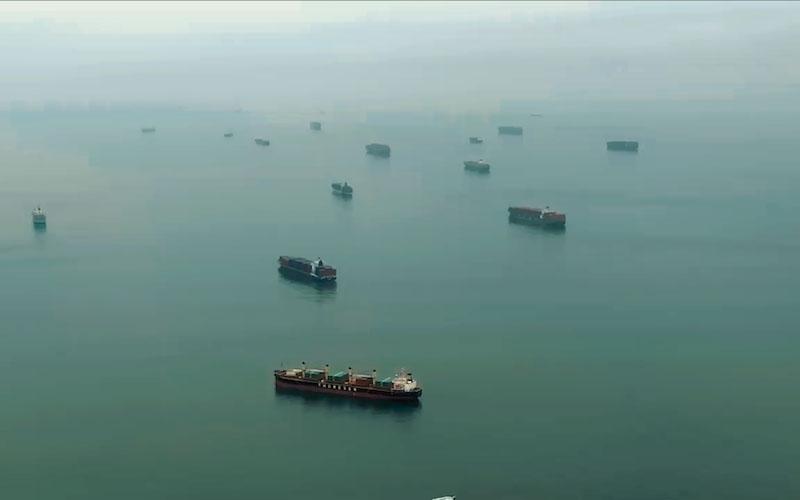
Under the preliminary framework agreement signed by the US and Iran two weeks ago, Iran was to ease its control over shipping in the Strait of Hormuz in exchange for economic incentives. The agreement set a 60-day negotiation window to reach a permanent peace agreement. Now, nearly a third of that time has passed, but the implementation details of key provisions remain unclear.
Iran's chief negotiator, Mohammad Bagher Ghalibaf, took a more hardline stance on state television: "The Strait of Hormuz belongs to Iran and Oman, and navigation through the strait must comply with arrangements set by Iran." He further revealed that Iran plans to begin collecting tolls in mid-August—when the 60-day negotiation window expires.
This statement directly challenges the US position. Washington has previously insisted that the Strait of Hormuz, as an international waterway, should not be unilaterally controlled or charged to by any country. Iran's actions demonstrate that it intends to institutionalize the strategic advantages gained during the war, rather than merely using them as bargaining chips.
Analysts point out that Iran's refusal to hold a direct meeting and its insistence on control of the Straits reflects Tehran's basic assessment of its negotiating position.
After weeks of intense airstrikes, Iran has not been weakened to the point of submission—on the contrary, it has demonstrated its ability to blockade global oil chokepoints with low-cost drones and mines. The Iranian leadership clearly believes that it is unwise to abandon this proven strategic leverage in exchange for unfulfilled economic promises from the United States.
Iran's negotiating strategy reveals a clear priority: first, to secure the tangible benefits of a ceasefire—including revenue from Strait of Hormuz passage fees and the release of frozen assets—before engaging in substantive discussions on fundamental issues such as its nuclear program. This "easy-to-difficult" approach structurally contradicts the US's desire to first secure nuclear restrictions.
Despite the uncertain diplomatic outlook, international oil prices have retreated somewhat since the mutual strikes between the US and Iran last weekend. Previously, the US retaliated against Iranian military facilities after accusing Iran of using drones to attack merchant ships. Iran subsequently launched attacks on US military bases in Kuwait and Bahrain, but neither side escalated the conflict into a full-blown war.
Oil prices have fallen from their wartime peak of around $120 to around $73, easing global inflationary pressures to some extent. However, the United Nations Conference on Trade and Development (UNCTAD) warned on Tuesday that even with the easing of energy market pressures, some vulnerable economies could still face persistent risks due to rising food and fuel prices.
For the Trump administration, domestic political pressure has not eased. The war has driven up global inflation, posing a significant challenge for Trump on the eve of the November midterm elections—which will determine the fate of the US Congress. Both Trump and Treasury Secretary Bessant have publicly urged gasoline retailers to lower prices, but damaged refining capacity and risks to shipping across the Straits make it difficult to reduce end-energy prices.
Qatar and Pakistan are currently acting as mediators, attempting to communicate solutions and narrow the differences between the two sides.
Low-level technical consultations are expected to begin in the coming days, but Iran has explicitly ruled out the possibility of high-level direct contact, making the prospect of a breakthrough agreement within the 60-day deadline increasingly bleak.
The indirect talks in Doha highlighted the structural differences between the US and Iran on the Straits of Hormuz and nuclear issues, with Iran leveraging its strategic resources to strengthen its negotiating position. Short-term oil price stability has not alleviated pressure on end-user energy, and the prospect of a breakthrough within the 60-day window remains bleak. Global markets need to continue to monitor the progress of reconciliation and the potential risk of escalation.
Q1: Why did the US-Iran Doha talks fail to achieve direct dialogue?
A: Iran insists on first implementing the detailed rules of the ceasefire agreement before discussing core issues such as nuclear restrictions, and refuses direct high-level contact. Although the US position is designated as a high-level representative, it actually communicates indirectly through mediators in Qatar and Pakistan, reflecting significant differences between the two sides regarding the implementation of the agreement.
Q2: What is the background and impact of Iran's plan to impose a toll in Hormuz?
A: Iran considers the Strait of Hormuz to be part of its own and Oman's sovereign territory and plans to begin charging fees in mid-August (before the 60-day window expires), institutionalizing its wartime-proven blockade capabilities. This directly challenges the US position that "international waterways should not be charged," potentially increasing global oil trade costs and affecting 20% of oil shipments passing through the Strait.
Q3: What is the current progress of the 60-day ceasefire agreement window?
A: The agreement requires Iran to ease control over the Straits in exchange for economic incentives, but with nearly a third of the deadline passed, the implementation details remain unclear. Iran prioritizes seeking benefits such as passage fees and asset releases, while the US wants to first secure nuclear restrictions; this difference in approach has led to the stalemate. Low-level technical consultations may begin, but breakthroughs at higher levels will be difficult.
Q4: What domestic challenges does Trump face given the decline in oil prices?
A: While crude oil prices have fallen from their peak to around $73 per barrel, gasoline prices remain high, and the impact of refining capacity and shipping risks is being mitigated. The Trump administration, facing inflationary pressures ahead of the midterm elections, urged retailers to lower prices, but with limited success, highlighting the urgency of repairing the energy supply chain.
Q5: What is the role of the mediator and what are the overall prospects for the negotiations?
A: Qatar and Pakistan have communicated their plans and narrowed their differences, but Iran's hardline stance makes high-level direct dialogue unlikely in the short term. Analysis indicates that neither side wants a full-blown escalation; diplomatic channels may continue, but the chances of reaching a permanent agreement within 60 days are slim, and attention should be paid to early outcomes such as asset releases.
Iranian Foreign Ministry spokesman Esmail Bagaei stated at a regular press conference, "No meetings at any level with the United States are scheduled for the next few days." Iranian officials further pointed out that both sides must first reach an agreement on the specific implementation terms of the ceasefire agreement signed two weeks ago before discussing more thorny issues—including core issues such as imposing restrictions on Iran's nuclear program.
This stance reversed expectations surrounding the Doha trip. Previously, US officials had hinted at the possibility of direct dialogue, but Tehran clearly insisted on communicating through third parties, indicating significant differences remain between the two sides regarding the implementation of the initial framework agreement.
Root of the disagreement: The ceasefire agreement is deadlocked
Under the preliminary framework agreement signed by the US and Iran two weeks ago, Iran was to ease its control over shipping in the Strait of Hormuz in exchange for economic incentives. The agreement set a 60-day negotiation window to reach a permanent peace agreement. Now, nearly a third of that time has passed, but the implementation details of key provisions remain unclear.
Iran's chief negotiator, Mohammad Bagher Ghalibaf, took a more hardline stance on state television: "The Strait of Hormuz belongs to Iran and Oman, and navigation through the strait must comply with arrangements set by Iran." He further revealed that Iran plans to begin collecting tolls in mid-August—when the 60-day negotiation window expires.
This statement directly challenges the US position. Washington has previously insisted that the Strait of Hormuz, as an international waterway, should not be unilaterally controlled or charged to by any country. Iran's actions demonstrate that it intends to institutionalize the strategic advantages gained during the war, rather than merely using them as bargaining chips.
Iran's strategic considerations: From the battlefield to the negotiating table
Analysts point out that Iran's refusal to hold a direct meeting and its insistence on control of the Straits reflects Tehran's basic assessment of its negotiating position.
After weeks of intense airstrikes, Iran has not been weakened to the point of submission—on the contrary, it has demonstrated its ability to blockade global oil chokepoints with low-cost drones and mines. The Iranian leadership clearly believes that it is unwise to abandon this proven strategic leverage in exchange for unfulfilled economic promises from the United States.
Iran's negotiating strategy reveals a clear priority: first, to secure the tangible benefits of a ceasefire—including revenue from Strait of Hormuz passage fees and the release of frozen assets—before engaging in substantive discussions on fundamental issues such as its nuclear program. This "easy-to-difficult" approach structurally contradicts the US's desire to first secure nuclear restrictions.
Market reaction and domestic political pressure
Despite the uncertain diplomatic outlook, international oil prices have retreated somewhat since the mutual strikes between the US and Iran last weekend. Previously, the US retaliated against Iranian military facilities after accusing Iran of using drones to attack merchant ships. Iran subsequently launched attacks on US military bases in Kuwait and Bahrain, but neither side escalated the conflict into a full-blown war.
Oil prices have fallen from their wartime peak of around $120 to around $73, easing global inflationary pressures to some extent. However, the United Nations Conference on Trade and Development (UNCTAD) warned on Tuesday that even with the easing of energy market pressures, some vulnerable economies could still face persistent risks due to rising food and fuel prices.
For the Trump administration, domestic political pressure has not eased. The war has driven up global inflation, posing a significant challenge for Trump on the eve of the November midterm elections—which will determine the fate of the US Congress. Both Trump and Treasury Secretary Bessant have publicly urged gasoline retailers to lower prices, but damaged refining capacity and risks to shipping across the Straits make it difficult to reduce end-energy prices.
What's next: The window for negotiation remains, but hope is slim.
Qatar and Pakistan are currently acting as mediators, attempting to communicate solutions and narrow the differences between the two sides.
Low-level technical consultations are expected to begin in the coming days, but Iran has explicitly ruled out the possibility of high-level direct contact, making the prospect of a breakthrough agreement within the 60-day deadline increasingly bleak.
Editor's Summary
The indirect talks in Doha highlighted the structural differences between the US and Iran on the Straits of Hormuz and nuclear issues, with Iran leveraging its strategic resources to strengthen its negotiating position. Short-term oil price stability has not alleviated pressure on end-user energy, and the prospect of a breakthrough within the 60-day window remains bleak. Global markets need to continue to monitor the progress of reconciliation and the potential risk of escalation.
Frequently Asked Questions
Q1: Why did the US-Iran Doha talks fail to achieve direct dialogue?
A: Iran insists on first implementing the detailed rules of the ceasefire agreement before discussing core issues such as nuclear restrictions, and refuses direct high-level contact. Although the US position is designated as a high-level representative, it actually communicates indirectly through mediators in Qatar and Pakistan, reflecting significant differences between the two sides regarding the implementation of the agreement.
Q2: What is the background and impact of Iran's plan to impose a toll in Hormuz?
A: Iran considers the Strait of Hormuz to be part of its own and Oman's sovereign territory and plans to begin charging fees in mid-August (before the 60-day window expires), institutionalizing its wartime-proven blockade capabilities. This directly challenges the US position that "international waterways should not be charged," potentially increasing global oil trade costs and affecting 20% of oil shipments passing through the Strait.
Q3: What is the current progress of the 60-day ceasefire agreement window?
A: The agreement requires Iran to ease control over the Straits in exchange for economic incentives, but with nearly a third of the deadline passed, the implementation details remain unclear. Iran prioritizes seeking benefits such as passage fees and asset releases, while the US wants to first secure nuclear restrictions; this difference in approach has led to the stalemate. Low-level technical consultations may begin, but breakthroughs at higher levels will be difficult.
Q4: What domestic challenges does Trump face given the decline in oil prices?
A: While crude oil prices have fallen from their peak to around $73 per barrel, gasoline prices remain high, and the impact of refining capacity and shipping risks is being mitigated. The Trump administration, facing inflationary pressures ahead of the midterm elections, urged retailers to lower prices, but with limited success, highlighting the urgency of repairing the energy supply chain.
Q5: What is the role of the mediator and what are the overall prospects for the negotiations?
A: Qatar and Pakistan have communicated their plans and narrowed their differences, but Iran's hardline stance makes high-level direct dialogue unlikely in the short term. Analysis indicates that neither side wants a full-blown escalation; diplomatic channels may continue, but the chances of reaching a permanent agreement within 60 days are slim, and attention should be paid to early outcomes such as asset releases.
- Risk Warning and Disclaimer
- The market involves risk, and trading may not be suitable for all investors. This article is for reference only and does not constitute personal investment advice, nor does it take into account certain users’ specific investment objectives, financial situation, or other needs. Any investment decisions made based on this information are at your own risk.