The Strait of Hormuz is open, and Indian oil tankers are moving—how much is Modi's "freedom of navigation" to the Iranian president worth?
2026-07-01 15:02:14
Indian Prime Minister Narendra Modi spoke by phone with Iranian President Masoud Pezechzian on Tuesday (June 30). This was the first direct communication between the two leaders since Pezechzian signed a memorandum of understanding with US President Donald Trump on June 17 to end hostilities.
The context of this call was particularly significant—Iran's Supreme Leader Ayatollah Khamenei was killed in a US-Israeli airstrike on February 28, and Iran was preparing for his state funeral.
During the call, Modi expressed his condolences and sympathies to the Iranian government and people for the “sacrifice of the Supreme Leader and many Iranian officials and citizens in the recent war”, and announced that India would send a special delegation to attend the upcoming funeral.
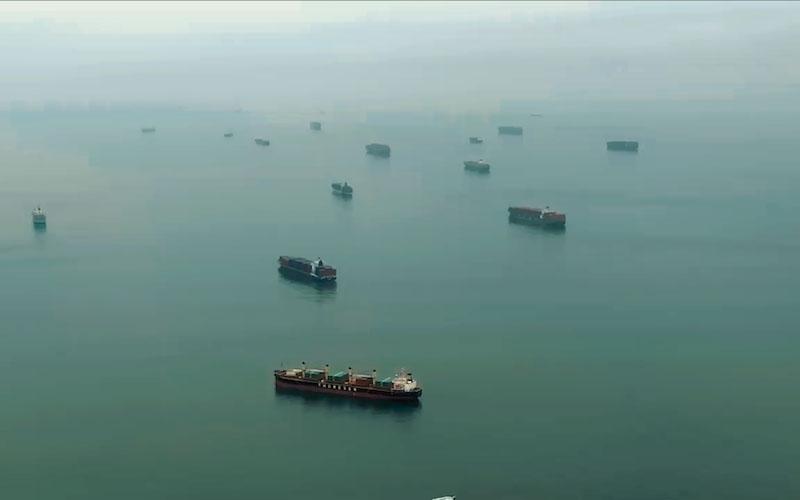
During the call, Modi made it clear that he hoped for "lasting peace" in the region and emphasized the importance of freedom of navigation in the Strait of Hormuz. The Strait of Hormuz is of critical strategic importance to India's energy imports—the vast majority of India's crude oil imports are transported through this waterway.
According to the minutes of the call released by Iran, Modi "reiterated the importance of freedom of navigation in the Strait of Hormuz to India and the world."
Modi later confirmed this on social media: "I spoke with Iranian President Pezechzian about recent developments in West Asia. I welcomed the progress made in the negotiations and expressed hope that continued efforts would bring lasting peace to the region. I reiterated the importance of freedom of navigation in the Strait of Hormuz to India and the world."
Since the US and Iran reached a memorandum of understanding, several ships bound for India have successfully passed through the Strait of Hormuz.
It is reported that more than a dozen ships bound for India have successfully passed through the waterway, including three Indian-flagged crude oil tankers and several liquefied petroleum gas and bulk fertilizer carriers. Currently, 10 to 12 Indian-flagged vessels remain in the Persian Gulf, and shipping companies and seafarers are required to maintain strict ship safety procedures.
During the call, Modi "formally invited the Iranian president to attend the BRICS leaders' summit to be hosted in India, and expressed hope that the meeting would help further strengthen multilateral cooperation among member states."
Iranian Foreign Minister Abbas Araqchi visited India in May to attend the BRICS Foreign Ministers' Meeting. Ghadir Nezamipour, Deputy Secretary for Defense Affairs of Iran's Supreme National Security Council, also met with Prime Minister Modi last week in New Delhi on the sidelines of the BRICS National Security Representatives Meeting.
Iranian Oil Minister Mohsin Paknemadah also visited New Delhi to attend the BRICS Energy Ministers' Meeting.
During the call, Pezeshichan expressed his appreciation for "the constructive stance taken by the Indian government and Prime Minister Modi's personal role in supporting peace, stability and regional cooperation," and stressed that "the international community should work together to consolidate this process so that aggression and the use of force have no place in international relations."
Pezehiziyan had previously invited Modi to attend Supreme Leader Khamenei's state funeral. Khamenei was killed in a US-Israeli airstrike on February 28. His funeral will begin in Tehran on July 4, and his body will be buried in his hometown of Mashhad on July 9.
Modi may be unable to attend the funeral due to a concurrent trip to three countries, and Foreign Minister S. Jaishankar is expected to accompany the Prime Minister. It is understood that the government has selected Bihar State Governor Syed Atta Hasnain (retired lieutenant general) and Minister of State for External Affairs Pabitra Marhrita as leaders of the Indian delegation.
India and Iran share similar positions on several regional and international issues, particularly within the framework of multilateral organizations and forums. Modi and Pezehizian last spoke in March amid escalating regional tensions, but Tehran and New Delhi have maintained regular communication channels at all levels throughout the conflict.
Modi had previously welcomed the understanding reached between the US and Iran, stating that the conflict in West Asia "has caused severe economic disruption worldwide and resulted in casualties in many countries." He expressed India's hope that the implementation of the understanding would help restore peace and stability to the region and ensure freedom of navigation and commerce.
This call reflects India's diplomatic strategy of balancing energy security, multilateral cooperation, and regional stability in a complex geopolitical environment. The resumption of shipping in the Strait of Hormuz provides a buffer for India's import chains, while the BRICS mechanism offers a platform for India-Iran interaction. Going forward, India needs to continuously monitor the evolving situation and promote pragmatic cooperation to mitigate the impact of external risks on its economy.
Q1: What was the immediate background of the call between Modi and Pezzichian?
A: The background is that following the death of Iran's Supreme Leader Khamenei in a US-Israeli airstrike on February 28, 2026, Iran is preparing for a state funeral. Meanwhile, the US and Iran signed a memorandum of understanding on June 17 to end hostilities. This marks the first direct high-level communication between the two sides since the conflict. India, highly concerned about maritime safety and regional stability, proactively expressed its condolences and invited Iran to participate in the BRICS summit, demonstrating a constructive diplomatic stance.
Q2: What is the importance of the Strait of Hormuz to the Indian economy? What is the latest shipping situation?
A: The Strait of Hormuz is India's main channel for crude oil imports, accounting for the vast majority of its energy imports. The conflict previously disrupted shipping, leading to supply chain risks and potential increases in oil prices. Latest data shows that approximately 30 Indian vessels have passed through since the US-Iran understanding, with another 26 waiting; these include Indian-flagged oil tankers, liquefied gas tankers, and fertilizer carriers. India is using diplomatic efforts to ensure passage and mitigate the impact of energy cost fluctuations on its domestic economy.
Q3: How did India participate in Khamenei's state funeral? What were the characteristics of the delegation's composition?
A: Modi announced the dispatch of a special delegation, led by Bihar State Governor Syed Atta Hasnain (retired lieutenant general) and Minister of State for External Affairs Pabitra Marherita, demonstrating respect for Iran and the importance attached to bilateral relations. The funeral will be held in two phases: starting in Tehran on July 4th and burial in Mashhad on July 9th. Modi may be absent due to an overseas trip, but high-level representatives will ensure India's voice is heard in the ceremonies.
Q4: What is the significance of the BRICS summit invitation for multilateral cooperation between India and Iran?
A: Modi's formal invitation to Pezeshichan to attend the 2026 BRICS Summit in India will help deepen cooperation among member states in trade, energy, and security. Iran has repeatedly sent high-ranking officials to BRICS meetings, which strengthens BRICS' role as a platform for emerging markets, promotes consensus on post-conflict regional reconstruction, and provides an opportunity for India to play its chair role.
Q5: What is the strategic significance of India-Iran relations in the current situation?
A: The two countries share similar positions in multilateral forums and maintain their energy and trade interests through regular communication. India welcomes the US-Iran understanding aimed at restoring stability, while also paying attention to the impact of freedom of navigation on global supply chains. This relationship contributes to India's diversified diplomacy, helping it maintain a balance in the competition among major powers such as the US and Russia, and safeguarding long-term economic security and regional peace. Overall, this call marks a pragmatic interaction during a phase of de-escalation and is conducive to the stability of global energy markets.
The context of this call was particularly significant—Iran's Supreme Leader Ayatollah Khamenei was killed in a US-Israeli airstrike on February 28, and Iran was preparing for his state funeral.
During the call, Modi expressed his condolences and sympathies to the Iranian government and people for the “sacrifice of the Supreme Leader and many Iranian officials and citizens in the recent war”, and announced that India would send a special delegation to attend the upcoming funeral.
Core issue: Freedom of navigation in the Strait of Hormuz
During the call, Modi made it clear that he hoped for "lasting peace" in the region and emphasized the importance of freedom of navigation in the Strait of Hormuz. The Strait of Hormuz is of critical strategic importance to India's energy imports—the vast majority of India's crude oil imports are transported through this waterway.
According to the minutes of the call released by Iran, Modi "reiterated the importance of freedom of navigation in the Strait of Hormuz to India and the world."
Modi later confirmed this on social media: "I spoke with Iranian President Pezechzian about recent developments in West Asia. I welcomed the progress made in the negotiations and expressed hope that continued efforts would bring lasting peace to the region. I reiterated the importance of freedom of navigation in the Strait of Hormuz to India and the world."
Since the US and Iran reached a memorandum of understanding, several ships bound for India have successfully passed through the Strait of Hormuz.
It is reported that more than a dozen ships bound for India have successfully passed through the waterway, including three Indian-flagged crude oil tankers and several liquefied petroleum gas and bulk fertilizer carriers. Currently, 10 to 12 Indian-flagged vessels remain in the Persian Gulf, and shipping companies and seafarers are required to maintain strict ship safety procedures.
BRICS Summit Invitation and Multilateral Cooperation
During the call, Modi "formally invited the Iranian president to attend the BRICS leaders' summit to be hosted in India, and expressed hope that the meeting would help further strengthen multilateral cooperation among member states."
Iranian Foreign Minister Abbas Araqchi visited India in May to attend the BRICS Foreign Ministers' Meeting. Ghadir Nezamipour, Deputy Secretary for Defense Affairs of Iran's Supreme National Security Council, also met with Prime Minister Modi last week in New Delhi on the sidelines of the BRICS National Security Representatives Meeting.
Iranian Oil Minister Mohsin Paknemadah also visited New Delhi to attend the BRICS Energy Ministers' Meeting.
During the call, Pezeshichan expressed his appreciation for "the constructive stance taken by the Indian government and Prime Minister Modi's personal role in supporting peace, stability and regional cooperation," and stressed that "the international community should work together to consolidate this process so that aggression and the use of force have no place in international relations."
Funeral arrangements and the Indian delegation
Pezehiziyan had previously invited Modi to attend Supreme Leader Khamenei's state funeral. Khamenei was killed in a US-Israeli airstrike on February 28. His funeral will begin in Tehran on July 4, and his body will be buried in his hometown of Mashhad on July 9.
Modi may be unable to attend the funeral due to a concurrent trip to three countries, and Foreign Minister S. Jaishankar is expected to accompany the Prime Minister. It is understood that the government has selected Bihar State Governor Syed Atta Hasnain (retired lieutenant general) and Minister of State for External Affairs Pabitra Marhrita as leaders of the Indian delegation.
The strategic significance of India-Iran relations
India and Iran share similar positions on several regional and international issues, particularly within the framework of multilateral organizations and forums. Modi and Pezehizian last spoke in March amid escalating regional tensions, but Tehran and New Delhi have maintained regular communication channels at all levels throughout the conflict.
Modi had previously welcomed the understanding reached between the US and Iran, stating that the conflict in West Asia "has caused severe economic disruption worldwide and resulted in casualties in many countries." He expressed India's hope that the implementation of the understanding would help restore peace and stability to the region and ensure freedom of navigation and commerce.
Editor's Summary
This call reflects India's diplomatic strategy of balancing energy security, multilateral cooperation, and regional stability in a complex geopolitical environment. The resumption of shipping in the Strait of Hormuz provides a buffer for India's import chains, while the BRICS mechanism offers a platform for India-Iran interaction. Going forward, India needs to continuously monitor the evolving situation and promote pragmatic cooperation to mitigate the impact of external risks on its economy.
Frequently Asked Questions
Q1: What was the immediate background of the call between Modi and Pezzichian?
A: The background is that following the death of Iran's Supreme Leader Khamenei in a US-Israeli airstrike on February 28, 2026, Iran is preparing for a state funeral. Meanwhile, the US and Iran signed a memorandum of understanding on June 17 to end hostilities. This marks the first direct high-level communication between the two sides since the conflict. India, highly concerned about maritime safety and regional stability, proactively expressed its condolences and invited Iran to participate in the BRICS summit, demonstrating a constructive diplomatic stance.
Q2: What is the importance of the Strait of Hormuz to the Indian economy? What is the latest shipping situation?
A: The Strait of Hormuz is India's main channel for crude oil imports, accounting for the vast majority of its energy imports. The conflict previously disrupted shipping, leading to supply chain risks and potential increases in oil prices. Latest data shows that approximately 30 Indian vessels have passed through since the US-Iran understanding, with another 26 waiting; these include Indian-flagged oil tankers, liquefied gas tankers, and fertilizer carriers. India is using diplomatic efforts to ensure passage and mitigate the impact of energy cost fluctuations on its domestic economy.
Q3: How did India participate in Khamenei's state funeral? What were the characteristics of the delegation's composition?
A: Modi announced the dispatch of a special delegation, led by Bihar State Governor Syed Atta Hasnain (retired lieutenant general) and Minister of State for External Affairs Pabitra Marherita, demonstrating respect for Iran and the importance attached to bilateral relations. The funeral will be held in two phases: starting in Tehran on July 4th and burial in Mashhad on July 9th. Modi may be absent due to an overseas trip, but high-level representatives will ensure India's voice is heard in the ceremonies.
Q4: What is the significance of the BRICS summit invitation for multilateral cooperation between India and Iran?
A: Modi's formal invitation to Pezeshichan to attend the 2026 BRICS Summit in India will help deepen cooperation among member states in trade, energy, and security. Iran has repeatedly sent high-ranking officials to BRICS meetings, which strengthens BRICS' role as a platform for emerging markets, promotes consensus on post-conflict regional reconstruction, and provides an opportunity for India to play its chair role.
Q5: What is the strategic significance of India-Iran relations in the current situation?
A: The two countries share similar positions in multilateral forums and maintain their energy and trade interests through regular communication. India welcomes the US-Iran understanding aimed at restoring stability, while also paying attention to the impact of freedom of navigation on global supply chains. This relationship contributes to India's diversified diplomacy, helping it maintain a balance in the competition among major powers such as the US and Russia, and safeguarding long-term economic security and regional peace. Overall, this call marks a pragmatic interaction during a phase of de-escalation and is conducive to the stability of global energy markets.
- Risk Warning and Disclaimer
- The market involves risk, and trading may not be suitable for all investors. This article is for reference only and does not constitute personal investment advice, nor does it take into account certain users’ specific investment objectives, financial situation, or other needs. Any investment decisions made based on this information are at your own risk.