Allies defect? Saudi Arabia rejects US base request, altering the security landscape in the Hormuz region.
2026-07-02 16:38:46
The United States and Iran held indirect technical talks in Doha, the capital of Qatar, on July 1.
Iranian officials have previously stated publicly that priority topics in the negotiations include finalizing a management plan for the Strait of Hormuz and unfreezing $6 billion in Iranian assets frozen in Qatar. US President Trump told the media on July 1 that the talks in Doha went "very smoothly."
Rabobank strategist Michael Every provides an in-depth analysis of the geopolitical dynamics in the Strait of Hormuz against the backdrop of US-Iran negotiations.
According to the report, the "brief action" taken by the United States to ensure the smooth flow of oil shipments from the Hormuz before the conclusion of the US-Iran memorandum of understanding was rejected by Saudi Arabia, triggering a series of chain reactions and escalating regional security risks.
Meanwhile, negotiations between the US and Iran in Doha are still progressing, but the two sides remain clearly divided on core issues such as freezing assets and control of the Strait of Hormuz.
US Vice President Vance's latest remarks suggest that the memorandum is more like a "replenishment and rest" session, and whether future fighting will resume remains an open option.
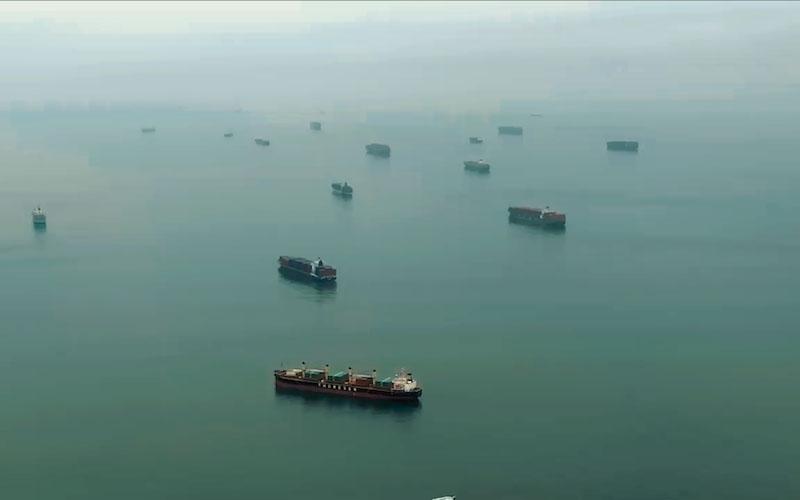
According to Rabobank, Saudi Arabia has blocked a “brief operation” launched by the United States to ensure the smooth flow of oil shipments from the Hormuz ahead of the signing of a memorandum of understanding between the United States and Iran.
Riyadh has refused to allow the United States to use its bases or airspace for related military deployments. The United States has responded by threatening not to intercept incoming drones or missiles and is considering relocating its bases to other locations in the region—Israel is one of the options.
This development deserves close attention: Saudi Arabia's "rejection" stance as a traditional US ally reflects a subtle yet profound adjustment in the Middle East's geopolitical landscape.
Iran responded with tit-for-tat remarks that day, further escalating tensions.
The US and Iran held a new round of "positive" talks in Doha. Reports indicate that both sides still hope to maintain a "peaceful ceasefire," and the US is trying to persuade Iran to "focus on the bigger picture" and not insist on its position on issues such as control of the Strait of Hormuz or transit fees.
However, the core differences remain: the United States has made it clear that it will not unfreeze any Iranian assets until Iran fully complies with the memorandum of understanding; Iran, on the other hand, holds the opposite position, claiming that it will use the funds in Qatar to purchase "needed goods," while the United States insists that the funds will be held in escrow and used to purchase American products.
This disagreement is essentially a matter of trust—who takes the first step determines the pace at which the memorandum is implemented.
U.S. Vice President Vance made it clear that the memorandum of understanding was merely an opportunity for "resupply and rest," and that they would observe whether further fighting was needed afterward.
Related geopolitical developments include: Lebanon and Syria joining the Middle East security dialogue led by the U.S. Central Command for the first time; and the Iraqi prime minister issuing an ultimatum to pro-Iranian militias to disarm by September 30.
These events all point to a trend: the security architecture in the Middle East is undergoing a reshuffling, and Iran's regional influence network is being systematically squeezed.
The Doha talks made some technical progress on key issues such as the control of the Strait of Hormuz and the unfreezing of assets, but deep-seated trust differences and shifts in the positions of regional allies added uncertainty to the prospects for negotiations. Events such as Saudi Arabia's refusal to cooperate highlighted the complexity of Middle Eastern geopolitical relations. Future oil transportation security, the pace of asset redeployment, and the implementation of a broader ceasefire agreement will be key areas of market focus. The easing or escalation of geopolitical risks will directly impact global oil prices and energy market trends.
Q1: What are the core topics of the Doha talks?
Iran prioritizes pushing for a Strait of Hormuz management plan and the unfreezing of $6 billion in frozen assets. The United States, on the other hand, emphasizes that it will not release assets until Iran fully complies with its commitments and seeks guarantees for shipping security in the strait. The differences between the two sides are essentially a struggle for trust and control. While the talks signaled a "smooth" progress, substantial obstacles still need to be overcome before implementation.
Q2: What does Saudi Arabia's refusal to allow the United States to use the bases mean?
Saudi Arabia's obstruction of a "brief" U.S. operation reflects its reluctance to engage in direct military action against Iran, posing a test to the traditional U.S.-Saudi alliance. The U.S. consideration of base relocation (including the Israeli option) exacerbates the complexity of regional power struggles and demonstrates the greater caution Middle Eastern countries exercise in balancing relations with major powers.
Q3: What is the meaning behind Vice President Vance's statement about "resupply and rest"?
This suggests that the current memorandum of understanding may be a temporary arrangement rather than a permanent solution. The US's reservation of options for future action aligns with Rabobank's baseline assessment of a potential resumption of conflict, reflecting both the flexibility and firm bottom line of the US negotiating strategy.
Q4: What are the potential impacts of this event on the global energy market?
The Strait of Hormuz is a vital global oil shipping route, and any disagreements or escalating tensions regarding its control could drive up oil prices. Progress in negotiations leading to shipping stability would alleviate energy supply concerns; conversely, delays in asset unfreezing or renewed military risks would exacerbate market volatility. Investors should pay close attention to the outcomes of subsequent technical talks and crude oil inventory data.
Iranian officials have previously stated publicly that priority topics in the negotiations include finalizing a management plan for the Strait of Hormuz and unfreezing $6 billion in Iranian assets frozen in Qatar. US President Trump told the media on July 1 that the talks in Doha went "very smoothly."
Rabobank strategist Michael Every provides an in-depth analysis of the geopolitical dynamics in the Strait of Hormuz against the backdrop of US-Iran negotiations.
According to the report, the "brief action" taken by the United States to ensure the smooth flow of oil shipments from the Hormuz before the conclusion of the US-Iran memorandum of understanding was rejected by Saudi Arabia, triggering a series of chain reactions and escalating regional security risks.
Meanwhile, negotiations between the US and Iran in Doha are still progressing, but the two sides remain clearly divided on core issues such as freezing assets and control of the Strait of Hormuz.
US Vice President Vance's latest remarks suggest that the memorandum is more like a "replenishment and rest" session, and whether future fighting will resume remains an open option.
Saudi Arabia's refusal to allow the US to use its bases escalates regional security rivalry.
According to Rabobank, Saudi Arabia has blocked a “brief operation” launched by the United States to ensure the smooth flow of oil shipments from the Hormuz ahead of the signing of a memorandum of understanding between the United States and Iran.
Riyadh has refused to allow the United States to use its bases or airspace for related military deployments. The United States has responded by threatening not to intercept incoming drones or missiles and is considering relocating its bases to other locations in the region—Israel is one of the options.
This development deserves close attention: Saudi Arabia's "rejection" stance as a traditional US ally reflects a subtle yet profound adjustment in the Middle East's geopolitical landscape.
Iran responded with tit-for-tat remarks that day, further escalating tensions.
Doha Negotiations: Positive Signals Coexist with Fundamental Differences
The US and Iran held a new round of "positive" talks in Doha. Reports indicate that both sides still hope to maintain a "peaceful ceasefire," and the US is trying to persuade Iran to "focus on the bigger picture" and not insist on its position on issues such as control of the Strait of Hormuz or transit fees.
However, the core differences remain: the United States has made it clear that it will not unfreeze any Iranian assets until Iran fully complies with the memorandum of understanding; Iran, on the other hand, holds the opposite position, claiming that it will use the funds in Qatar to purchase "needed goods," while the United States insists that the funds will be held in escrow and used to purchase American products.
This disagreement is essentially a matter of trust—who takes the first step determines the pace at which the memorandum is implemented.
Vice President Vance stated: The ceasefire is a respite, not the end.
U.S. Vice President Vance made it clear that the memorandum of understanding was merely an opportunity for "resupply and rest," and that they would observe whether further fighting was needed afterward.
Related geopolitical developments include: Lebanon and Syria joining the Middle East security dialogue led by the U.S. Central Command for the first time; and the Iraqi prime minister issuing an ultimatum to pro-Iranian militias to disarm by September 30.
These events all point to a trend: the security architecture in the Middle East is undergoing a reshuffling, and Iran's regional influence network is being systematically squeezed.
Editor's Summary
The Doha talks made some technical progress on key issues such as the control of the Strait of Hormuz and the unfreezing of assets, but deep-seated trust differences and shifts in the positions of regional allies added uncertainty to the prospects for negotiations. Events such as Saudi Arabia's refusal to cooperate highlighted the complexity of Middle Eastern geopolitical relations. Future oil transportation security, the pace of asset redeployment, and the implementation of a broader ceasefire agreement will be key areas of market focus. The easing or escalation of geopolitical risks will directly impact global oil prices and energy market trends.
Frequently Asked Questions
Q1: What are the core topics of the Doha talks?
Iran prioritizes pushing for a Strait of Hormuz management plan and the unfreezing of $6 billion in frozen assets. The United States, on the other hand, emphasizes that it will not release assets until Iran fully complies with its commitments and seeks guarantees for shipping security in the strait. The differences between the two sides are essentially a struggle for trust and control. While the talks signaled a "smooth" progress, substantial obstacles still need to be overcome before implementation.
Q2: What does Saudi Arabia's refusal to allow the United States to use the bases mean?
Saudi Arabia's obstruction of a "brief" U.S. operation reflects its reluctance to engage in direct military action against Iran, posing a test to the traditional U.S.-Saudi alliance. The U.S. consideration of base relocation (including the Israeli option) exacerbates the complexity of regional power struggles and demonstrates the greater caution Middle Eastern countries exercise in balancing relations with major powers.
Q3: What is the meaning behind Vice President Vance's statement about "resupply and rest"?
This suggests that the current memorandum of understanding may be a temporary arrangement rather than a permanent solution. The US's reservation of options for future action aligns with Rabobank's baseline assessment of a potential resumption of conflict, reflecting both the flexibility and firm bottom line of the US negotiating strategy.
Q4: What are the potential impacts of this event on the global energy market?
The Strait of Hormuz is a vital global oil shipping route, and any disagreements or escalating tensions regarding its control could drive up oil prices. Progress in negotiations leading to shipping stability would alleviate energy supply concerns; conversely, delays in asset unfreezing or renewed military risks would exacerbate market volatility. Investors should pay close attention to the outcomes of subsequent technical talks and crude oil inventory data.
- Risk Warning and Disclaimer
- The market involves risk, and trading may not be suitable for all investors. This article is for reference only and does not constitute personal investment advice, nor does it take into account certain users’ specific investment objectives, financial situation, or other needs. Any investment decisions made based on this information are at your own risk.