USD/JPY exchange rate analysis: Can it reach the 200 mark without central bank intervention?
2026-07-02 17:43:37
On Thursday (July 2), during the European session, the yen unexpectedly saw strong buying, with the USD/JPY exchange rate fluctuating between 161.00 and 162.00. Regarding this slight appreciation of the yen, the Japanese Ministry of Finance has refused to make any public statements or release any clear intervention signals, causing market traders to closely monitor subsequent actions by the Japanese government, and fueling speculation and intervention in the currency market.
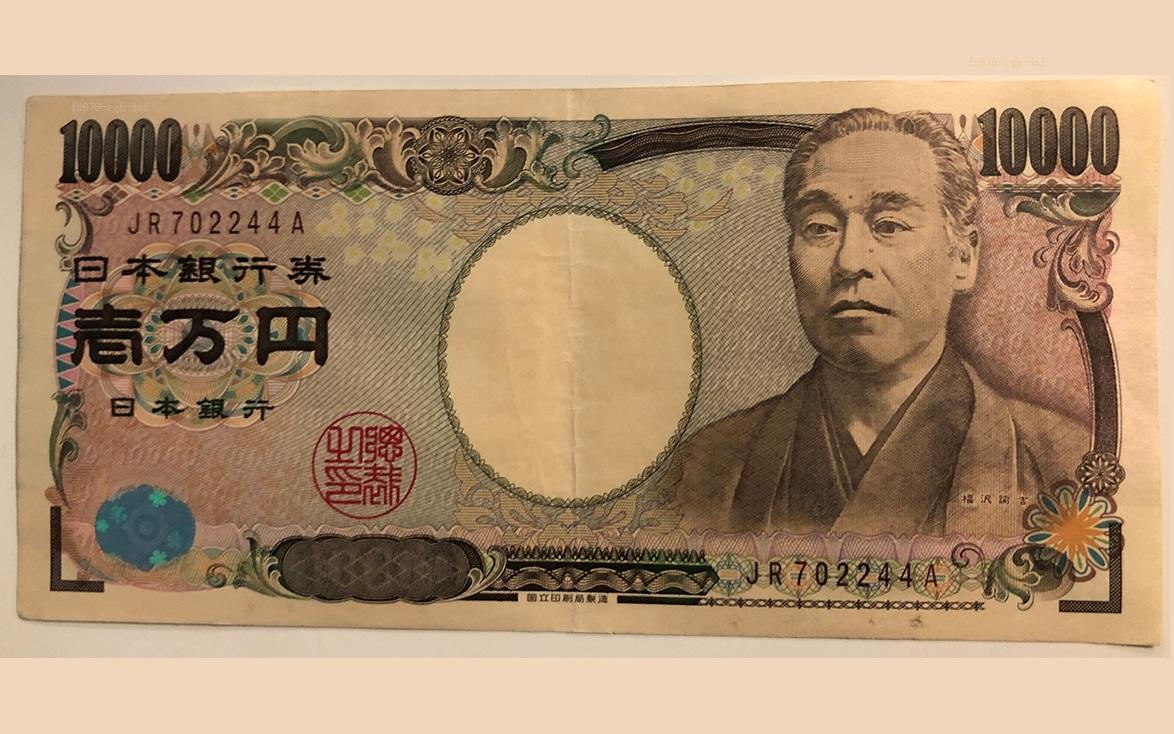
Prior to this, the yen had been weakening, once hitting a 40-year low. This recent rebound was primarily driven by public statements from Japanese Ministry of Finance officials. Atsushi Mimura, Vice Minister of Finance for International Affairs, explicitly stated that Japan's two interventions in the foreign exchange market in April and May to stabilize the yen were fully justified and necessary. He also revealed that the United States had no objection to Japan's continued intervention in the foreign exchange market to stabilize its currency, thus completely removing external obstacles to the Bank of Japan's intervention. This statement significantly boosted the confidence of yen bulls, reversed the extreme sentiment of one-sided shorting of the yen, and provided clear policy expectations to support the subsequent stabilization of the yen's exchange rate.
The probability of joint US-Japan intervention is low; Bank of Japan intervention is likely to be sporadic.
Regarding the market's high expectations for joint US-Japan intervention, Russell Matthews, Senior Fund Manager of Global Macro Strategy at RBC BlueBay Asset Management, offered a clear assessment: the probability of the two countries jointly intervening in the foreign exchange market and driving a significant appreciation of the yen is not high at this stage. The core reason is that the yields on core US and Japanese government bonds have remained generally stable, and the US currently lacks the incentive to participate in coordinated policy actions. Therefore, the market's overall expectation for joint intervention is cautious.
Meanwhile, Matthews also highlighted potential risks: if the yen continues its weak depreciation, the 10-year Japanese government bond yield could approach 3.0%, triggering significant volatility in the bond market and further amplifying pressure on global financial markets. RBC BlueBay currently maintains a neutral valuation of the yen and predicts that the Bank of Japan will continue to intervene in the foreign exchange market, but the intervention model will shift from continuous, regular operations to sporadic, random, and flexible adjustments. The market should pay close attention to yen exchange rate fluctuations, Japanese government bond yield trends, and the interconnected transmission effects in the global bond market.
The extreme divergence in monetary policies between the US and Japan sets the tone for exchange rate movements.
The core underlying logic of the long-term strength of the USD/JPY exchange rate stems from the extreme divergence in monetary policies between the US and Japan, which is also the fundamental basis supporting the exchange rate's high level. The Federal Reserve has maintained a long-term tightening stance, while the Bank of Japan has consistently adhered to an easing policy. This persistent interest rate differential between the two countries has continuously benefited the USD/JPY bullish trend, becoming the core driver of the exchange rate's strength. At the same time, the widening divergence in monetary policies among major global economies has further pressured the EUR/USD exchange rate, causing it to remain weak and volatile for an extended period, indirectly providing environmental support for the dollar's strong performance.
The current strength of the USD/JPY exchange rate is highly dependent on the dual support of the Bank of Japan's foreign exchange market intervention and the Federal Reserve's monetary policy. Once this policy support is lost, the exchange rate trend will face significant uncertainties, and the risk of market volatility will increase substantially.
US Dollar Policy Expectations: Market Interpretation Leans Hawkish, Further Strengthening Support for the Dollar
Recent public speeches by Federal Reserve official Kevin Warsh have been generally neutral, failing to release clear signals regarding interest rate hikes or cuts, and thus offering no direct trading guidance for the short-term movement of the US dollar. During this period of lull in major policy signals, market funds are fully focused on core labor market data, such as the June US non-farm payrolls, using it as a key basis for predicting the pace of the Fed's monetary policy in July and September. Labor market data has therefore become a crucial indicator of the short-term direction of the US dollar.
The Federal Reserve Chairman previously stated that the upside risks to U.S. inflation have significantly cooled and are generally easing, and the central bank will make every effort to push inflation down and stabilize it within the 2% annual target range. At the same time, the window for a July rate hike has not been completely closed, leaving ample policy space for subsequent tightening operations.
The market interpreted Kevin Warsh's remarks as hawkish, and this sentiment quickly spread to the interest rate futures market, triggering significant price adjustments: the probability of the Federal Reserve raising interest rates twice in 2026 rose to 46%, completely reversing the previous pessimistic sentiment of rising expectations for rate cuts and cooling expectations for rate hikes, and reinforcing the fundamentals of a stronger dollar. Looking at longer-term expectations, the market is betting on a two-thirds probability of the Federal Reserve initiating a new round of monetary tightening in September, further solidifying the logic of a strong dollar and putting continued pressure on non-US currencies.
Japanese policy expectations: Depreciation forces exit from easing measures, and expectations for interest rate hikes continue to rise.
The continued sharp depreciation of the yen is forcing the Bank of Japan to accelerate the pace of monetary policy tightening and expedite the overnight interest rate hike. Previously, the market consensus was that the Bank of Japan would maintain a steady tightening pace, raising interest rates every six months. However, with the yen's depreciation intensifying and domestic economic data showing signs of recovery, market expectations have been significantly revised.
Currently, Japan remains the only major global economy with a central bank maintaining loose monetary policy. The interest rate differential between the US and Japan, created by the prolonged ultra-low interest rate environment, is key to the continued buying support for the US dollar against the Japanese yen. After completing a rate hike in June, the market is betting on a 60% probability of the Bank of Japan raising rates again in October, indicating a significant acceleration in the pace of exiting its easing policy.
From an economic fundamentals perspective, the continued depreciation of the yen, coupled with a recovery in domestic business sentiment and a marked increase in economic resilience, could easily trigger a new round of inflation, leading to a risk of soaring prices. On the one hand, the yen's depreciation pushes up the prices of imported energy, raw materials, and commodities, creating imported inflation; on the other hand, the domestic economic recovery and rising consumer demand further fuel price increases. If the Bank of Japan allows the yen to continue depreciating and inflation to spiral out of control, it may subsequently introduce more aggressive and stronger tightening policies to stabilize the market.
Institutional forecasts suggest that without strong intervention, the exchange rate is likely to challenge the 200 level.
Regarding the future trend of the USD/JPY exchange rate, several leading Japanese financial institutions have given differentiated target predictions based on fundamentals and policy logic, with an overall bullish sentiment. Mizuho Bank is the most conservative, predicting the exchange rate could climb to the 170 level; Sumitomo Mitsui Financial Group is more optimistic, forecasting a target of 180.
Monex Group and Blue Edge Consulting have released extremely bullish signals, clearly stating their core conclusion: barring strong and sustained intervention from the Bank of Japan in the foreign exchange market, the USD/JPY exchange rate has the potential to surge to the 200 level. The core logic behind these institutions' upward revisions to their bullish forecasts is highly consistent: they all believe the long-term divergence in US and Japanese monetary policies is unlikely to reverse, the yen's weak fundamentals lack substantial short-term support, and the depreciation trend is likely to continue.
Prior to this, the yen had been weakening, once hitting a 40-year low. This recent rebound was primarily driven by public statements from Japanese Ministry of Finance officials. Atsushi Mimura, Vice Minister of Finance for International Affairs, explicitly stated that Japan's two interventions in the foreign exchange market in April and May to stabilize the yen were fully justified and necessary. He also revealed that the United States had no objection to Japan's continued intervention in the foreign exchange market to stabilize its currency, thus completely removing external obstacles to the Bank of Japan's intervention. This statement significantly boosted the confidence of yen bulls, reversed the extreme sentiment of one-sided shorting of the yen, and provided clear policy expectations to support the subsequent stabilization of the yen's exchange rate.
The probability of joint US-Japan intervention is low; Bank of Japan intervention is likely to be sporadic.
Regarding the market's high expectations for joint US-Japan intervention, Russell Matthews, Senior Fund Manager of Global Macro Strategy at RBC BlueBay Asset Management, offered a clear assessment: the probability of the two countries jointly intervening in the foreign exchange market and driving a significant appreciation of the yen is not high at this stage. The core reason is that the yields on core US and Japanese government bonds have remained generally stable, and the US currently lacks the incentive to participate in coordinated policy actions. Therefore, the market's overall expectation for joint intervention is cautious.
Meanwhile, Matthews also highlighted potential risks: if the yen continues its weak depreciation, the 10-year Japanese government bond yield could approach 3.0%, triggering significant volatility in the bond market and further amplifying pressure on global financial markets. RBC BlueBay currently maintains a neutral valuation of the yen and predicts that the Bank of Japan will continue to intervene in the foreign exchange market, but the intervention model will shift from continuous, regular operations to sporadic, random, and flexible adjustments. The market should pay close attention to yen exchange rate fluctuations, Japanese government bond yield trends, and the interconnected transmission effects in the global bond market.
The extreme divergence in monetary policies between the US and Japan sets the tone for exchange rate movements.
The core underlying logic of the long-term strength of the USD/JPY exchange rate stems from the extreme divergence in monetary policies between the US and Japan, which is also the fundamental basis supporting the exchange rate's high level. The Federal Reserve has maintained a long-term tightening stance, while the Bank of Japan has consistently adhered to an easing policy. This persistent interest rate differential between the two countries has continuously benefited the USD/JPY bullish trend, becoming the core driver of the exchange rate's strength. At the same time, the widening divergence in monetary policies among major global economies has further pressured the EUR/USD exchange rate, causing it to remain weak and volatile for an extended period, indirectly providing environmental support for the dollar's strong performance.
The current strength of the USD/JPY exchange rate is highly dependent on the dual support of the Bank of Japan's foreign exchange market intervention and the Federal Reserve's monetary policy. Once this policy support is lost, the exchange rate trend will face significant uncertainties, and the risk of market volatility will increase substantially.
US Dollar Policy Expectations: Market Interpretation Leans Hawkish, Further Strengthening Support for the Dollar
Recent public speeches by Federal Reserve official Kevin Warsh have been generally neutral, failing to release clear signals regarding interest rate hikes or cuts, and thus offering no direct trading guidance for the short-term movement of the US dollar. During this period of lull in major policy signals, market funds are fully focused on core labor market data, such as the June US non-farm payrolls, using it as a key basis for predicting the pace of the Fed's monetary policy in July and September. Labor market data has therefore become a crucial indicator of the short-term direction of the US dollar.
The Federal Reserve Chairman previously stated that the upside risks to U.S. inflation have significantly cooled and are generally easing, and the central bank will make every effort to push inflation down and stabilize it within the 2% annual target range. At the same time, the window for a July rate hike has not been completely closed, leaving ample policy space for subsequent tightening operations.
The market interpreted Kevin Warsh's remarks as hawkish, and this sentiment quickly spread to the interest rate futures market, triggering significant price adjustments: the probability of the Federal Reserve raising interest rates twice in 2026 rose to 46%, completely reversing the previous pessimistic sentiment of rising expectations for rate cuts and cooling expectations for rate hikes, and reinforcing the fundamentals of a stronger dollar. Looking at longer-term expectations, the market is betting on a two-thirds probability of the Federal Reserve initiating a new round of monetary tightening in September, further solidifying the logic of a strong dollar and putting continued pressure on non-US currencies.
Japanese policy expectations: Depreciation forces exit from easing measures, and expectations for interest rate hikes continue to rise.
The continued sharp depreciation of the yen is forcing the Bank of Japan to accelerate the pace of monetary policy tightening and expedite the overnight interest rate hike. Previously, the market consensus was that the Bank of Japan would maintain a steady tightening pace, raising interest rates every six months. However, with the yen's depreciation intensifying and domestic economic data showing signs of recovery, market expectations have been significantly revised.
Currently, Japan remains the only major global economy with a central bank maintaining loose monetary policy. The interest rate differential between the US and Japan, created by the prolonged ultra-low interest rate environment, is key to the continued buying support for the US dollar against the Japanese yen. After completing a rate hike in June, the market is betting on a 60% probability of the Bank of Japan raising rates again in October, indicating a significant acceleration in the pace of exiting its easing policy.
From an economic fundamentals perspective, the continued depreciation of the yen, coupled with a recovery in domestic business sentiment and a marked increase in economic resilience, could easily trigger a new round of inflation, leading to a risk of soaring prices. On the one hand, the yen's depreciation pushes up the prices of imported energy, raw materials, and commodities, creating imported inflation; on the other hand, the domestic economic recovery and rising consumer demand further fuel price increases. If the Bank of Japan allows the yen to continue depreciating and inflation to spiral out of control, it may subsequently introduce more aggressive and stronger tightening policies to stabilize the market.
Institutional forecasts suggest that without strong intervention, the exchange rate is likely to challenge the 200 level.
Regarding the future trend of the USD/JPY exchange rate, several leading Japanese financial institutions have given differentiated target predictions based on fundamentals and policy logic, with an overall bullish sentiment. Mizuho Bank is the most conservative, predicting the exchange rate could climb to the 170 level; Sumitomo Mitsui Financial Group is more optimistic, forecasting a target of 180.
Monex Group and Blue Edge Consulting have released extremely bullish signals, clearly stating their core conclusion: barring strong and sustained intervention from the Bank of Japan in the foreign exchange market, the USD/JPY exchange rate has the potential to surge to the 200 level. The core logic behind these institutions' upward revisions to their bullish forecasts is highly consistent: they all believe the long-term divergence in US and Japanese monetary policies is unlikely to reverse, the yen's weak fundamentals lack substantial short-term support, and the depreciation trend is likely to continue.
- Risk Warning and Disclaimer
- The market involves risk, and trading may not be suitable for all investors. This article is for reference only and does not constitute personal investment advice, nor does it take into account certain users’ specific investment objectives, financial situation, or other needs. Any investment decisions made based on this information are at your own risk.