US June CPI may see a modest decline, but this is unlikely to alleviate high inflationary pressures. The Middle East situation is pushing up oil prices, and expectations for a Fed rate hike this year remain.
2026-07-14 15:30:12
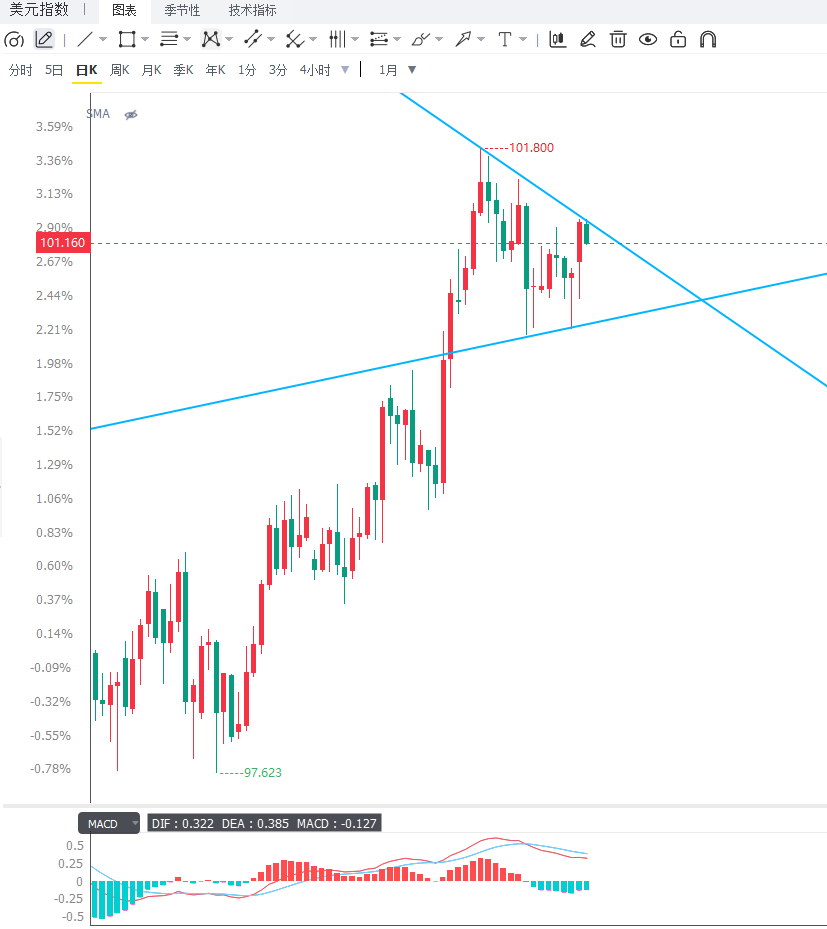
The market is awaiting the release of the US June Consumer Price Index (CPI) data, hoping to use it to judge the trend of US inflation and the future direction of the Federal Reserve's monetary policy. Although the market expects overall inflation to slow down in June compared to the previous month, factors such as the continued tension in the Middle East and the renewed rise in international energy prices mean that the market generally believes that this slowdown in inflation will not be enough to completely change the situation of still relatively high prices in the United States.  The market currently expects the US overall CPI to be around -0.1% month-on-month in June, while the core CPI is expected to rise by 0.3% month-on-month. Analysts believe that the overall inflation slowdown is mainly due to the previous temporary decline in international gasoline prices, but core prices remain resilient, indicating that price pressures in sectors such as services and housing persist. However, the energy market situation has recently changed again. The ceasefire between the US and Iran ended last week, and tensions in the Middle East have escalated again. The US has reinstated restrictions on Iranian-related vessels, significantly increasing shipping risks in the Strait of Hormuz, and international crude oil prices have risen again. The Strait of Hormuz handles approximately 20% of global seaborne crude oil transport . With the increased energy supply risks, domestic gasoline prices in the US have risen again. Data released by the American Automobile Association (AAA) shows that as of Monday, the average retail price of regular gasoline in the US had risen to $3.87 per gallon , a significant increase from previous levels. This means that energy prices may again be a major factor driving US inflation in the coming months. Brian Bethune, a professor of economics at Boston College, said that even if inflation data slows down to some extent, consumers still face significant cost-of-living pressures. He believes that while the economic burden on residents has only eased slightly, overall pressure remains high, and there is still a considerable distance to go before a true return to normal consumption. KPMG's chief economist, Diane Swonk, also stated that overall US prices continue their cumulative upward trend. Although some large retailers and supermarkets have begun attracting consumers through promotions and price reductions, the positive impact of declining food prices is insufficient to offset the continued cost pressures from rising housing, energy, insurance, and services, leaving households with a heavy overall expenditure burden. For the Federal Reserve, this means that even if the overall CPI declines somewhat in June, it may not be enough to change its cautious stance. If international oil prices continue to remain high due to the Middle East situation, US inflation may face the risk of a rebound in the coming months, and the Federal Reserve may continue to maintain restrictive monetary policy to ensure that inflation returns to the target range. The market is also currently focused on the upcoming speech by Federal Reserve Chairman Kevin Warsh, hoping to gain more signals about the future path of interest rates. If the Federal Reserve continues to emphasize that inflation risks remain, while acknowledging that rising energy prices may push up price levels again, market expectations for further interest rate hikes this year are likely to continue to rise, thereby supporting the dollar and US Treasury yields. From a technical perspective, the US dollar index maintains a slightly bullish trend on the daily chart, with prices hovering around key moving averages and the bullish structure remaining intact. The MACD indicator maintains a golden cross, indicating that medium-term upward momentum remains; the RSI indicator is operating in the neutral-to-strong zone. If US CPI data is higher than market expectations, the dollar index is expected to further challenge the resistance areas of 101.50 and 102.00 ; if the data continues to decline, the index may retest the support areas of 100.80 and 100.30 . Looking at the 4-hour chart, the dollar index has entered a high-level consolidation phase, with the MACD histogram narrowing slightly, indicating a slight slowdown in short-term upward momentum, but the overall trend remains bullish. If the Federal Reserve continues to release hawkish signals, and the market further raises its expectations for interest rate hikes, the dollar index is likely to continue its rebound; if inflation data is significantly lower than expected, the dollar may experience a temporary pullback, but the overall downside is expected to be relatively limited.
  Editor's Summary: Even though the US June CPI showed a temporary decline, it largely reflects the impact of the previous brief drop in energy prices, rather than indicating a significant easing of inflationary pressures in the US. With the renewed escalation of tensions in the Middle East and rising international oil prices, US gasoline prices continue to climb, and inflation still faces the risk of a rebound. Against this backdrop, the Federal Reserve is likely to maintain a cautious stance in the short term, and the possibility of further monetary tightening this year has not been completely ruled out. Investors should pay close attention to US inflation data, international oil price trends, and speeches by Federal Reserve officials, as these factors will continue to dominate the direction of the US dollar, gold, and global financial markets.
The market currently expects the US overall CPI to be around -0.1% month-on-month in June, while the core CPI is expected to rise by 0.3% month-on-month. Analysts believe that the overall inflation slowdown is mainly due to the previous temporary decline in international gasoline prices, but core prices remain resilient, indicating that price pressures in sectors such as services and housing persist. However, the energy market situation has recently changed again. The ceasefire between the US and Iran ended last week, and tensions in the Middle East have escalated again. The US has reinstated restrictions on Iranian-related vessels, significantly increasing shipping risks in the Strait of Hormuz, and international crude oil prices have risen again. The Strait of Hormuz handles approximately 20% of global seaborne crude oil transport . With the increased energy supply risks, domestic gasoline prices in the US have risen again. Data released by the American Automobile Association (AAA) shows that as of Monday, the average retail price of regular gasoline in the US had risen to $3.87 per gallon , a significant increase from previous levels. This means that energy prices may again be a major factor driving US inflation in the coming months. Brian Bethune, a professor of economics at Boston College, said that even if inflation data slows down to some extent, consumers still face significant cost-of-living pressures. He believes that while the economic burden on residents has only eased slightly, overall pressure remains high, and there is still a considerable distance to go before a true return to normal consumption. KPMG's chief economist, Diane Swonk, also stated that overall US prices continue their cumulative upward trend. Although some large retailers and supermarkets have begun attracting consumers through promotions and price reductions, the positive impact of declining food prices is insufficient to offset the continued cost pressures from rising housing, energy, insurance, and services, leaving households with a heavy overall expenditure burden. For the Federal Reserve, this means that even if the overall CPI declines somewhat in June, it may not be enough to change its cautious stance. If international oil prices continue to remain high due to the Middle East situation, US inflation may face the risk of a rebound in the coming months, and the Federal Reserve may continue to maintain restrictive monetary policy to ensure that inflation returns to the target range. The market is also currently focused on the upcoming speech by Federal Reserve Chairman Kevin Warsh, hoping to gain more signals about the future path of interest rates. If the Federal Reserve continues to emphasize that inflation risks remain, while acknowledging that rising energy prices may push up price levels again, market expectations for further interest rate hikes this year are likely to continue to rise, thereby supporting the dollar and US Treasury yields. From a technical perspective, the US dollar index maintains a slightly bullish trend on the daily chart, with prices hovering around key moving averages and the bullish structure remaining intact. The MACD indicator maintains a golden cross, indicating that medium-term upward momentum remains; the RSI indicator is operating in the neutral-to-strong zone. If US CPI data is higher than market expectations, the dollar index is expected to further challenge the resistance areas of 101.50 and 102.00 ; if the data continues to decline, the index may retest the support areas of 100.80 and 100.30 . Looking at the 4-hour chart, the dollar index has entered a high-level consolidation phase, with the MACD histogram narrowing slightly, indicating a slight slowdown in short-term upward momentum, but the overall trend remains bullish. If the Federal Reserve continues to release hawkish signals, and the market further raises its expectations for interest rate hikes, the dollar index is likely to continue its rebound; if inflation data is significantly lower than expected, the dollar may experience a temporary pullback, but the overall downside is expected to be relatively limited. Editor's Summary: Even though the US June CPI showed a temporary decline, it largely reflects the impact of the previous brief drop in energy prices, rather than indicating a significant easing of inflationary pressures in the US. With the renewed escalation of tensions in the Middle East and rising international oil prices, US gasoline prices continue to climb, and inflation still faces the risk of a rebound. Against this backdrop, the Federal Reserve is likely to maintain a cautious stance in the short term, and the possibility of further monetary tightening this year has not been completely ruled out. Investors should pay close attention to US inflation data, international oil price trends, and speeches by Federal Reserve officials, as these factors will continue to dominate the direction of the US dollar, gold, and global financial markets.
- Risk Warning and Disclaimer
- The market involves risk, and trading may not be suitable for all investors. This article is for reference only and does not constitute personal investment advice, nor does it take into account certain users’ specific investment objectives, financial situation, or other needs. Any investment decisions made based on this information are at your own risk.