UK inflation fell to 2.6% in June, weakening expectations of an interest rate hike; energy risks may drive an autumn inflation rebound, limiting the scope for rate cuts.
2026-07-22 15:48:17
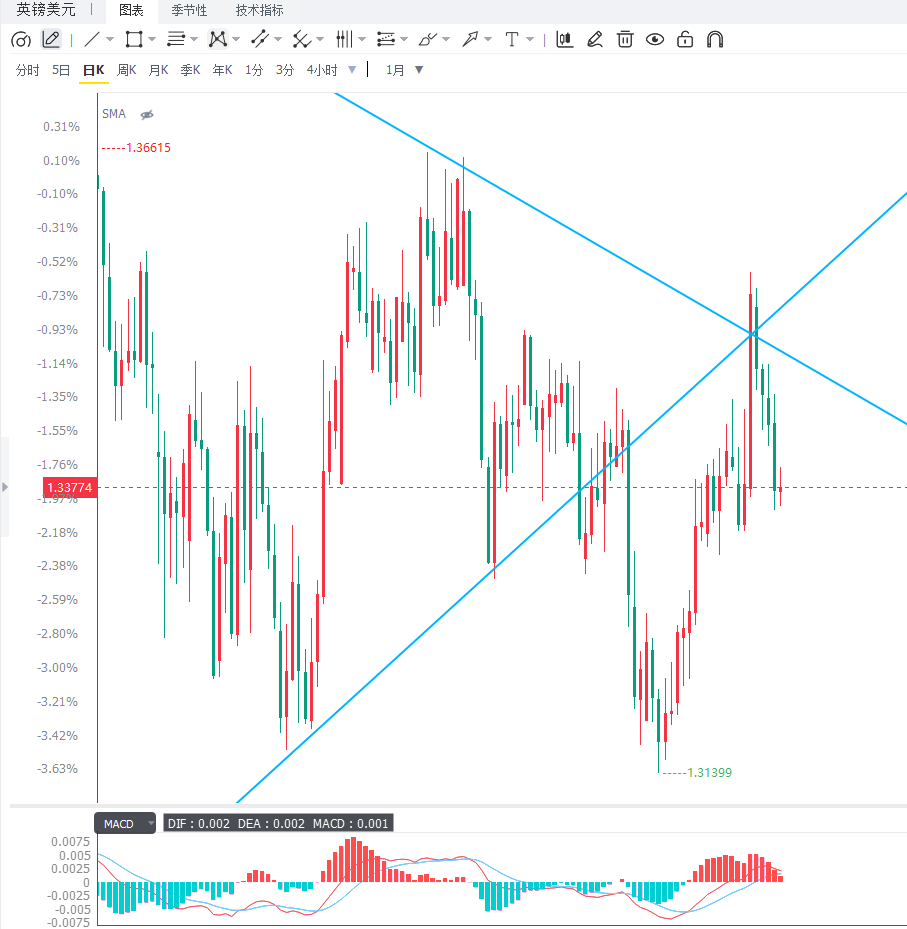
Following the release of the latest UK inflation data, the market has reassessed the Bank of England's future policy path. Thomas Pugh, an analyst at RSM UK, stated that the UK's June inflation rate fell to 2.6%, significantly reducing market expectations for a Bank of England rate hike next week. This decline in inflation was mainly driven by lower food, fuel, and energy prices, indicating that some of the factors that previously drove up prices are easing. However, for the Bank of England, the performance of the services sector inflation, which reflects domestic price pressures, is more important.  Pew Research Center noted that service sector inflation met policymakers' expectations, meaning that domestic demand-related price pressures in the UK have not spiraled out of control. This reduces the need for the Bank of England to further tighten monetary policy in the short term. UK inflation fell to 2.6% in June, mainly driven by lower energy and food prices, but core price pressures still need to be monitored . The market had previously worried that rising energy costs could push up overall price levels again, forcing the Bank of England to maintain higher interest rates. Therefore, despite the current decline in inflation, policymakers are unlikely to easily shift to easing. Pew predicts that as energy costs rise, supply chain pressures increase, and the impact of food prices gradually spreads, the UK inflation rate may rebound to around 3.3% in the autumn. If international oil prices continue to rise due to supply risks, the rebound in UK inflation could widen further. Energy price trends will be a crucial variable in the future path of UK inflation, and rising oil prices could increase pressure on the central bank's policy again . Currently, the market believes that the Bank of England may maintain stable interest rates to observe whether the decline in inflation is sustainable. Pew predicts that UK interest rates will remain unchanged for a considerable period and believes that the Bank of England may not initiate a rate-cutting cycle before 2027. This assessment reflects the complex environment facing the UK economy. On the one hand, declining inflation provides a buffer for monetary policy; on the other hand, higher service prices, energy risks, and supply chain uncertainties still limit the central bank's ability to quickly shift towards easing. For financial markets, UK inflation data will directly impact the pound and UK government bonds. If inflation rebounds in the future, the market may postpone expectations of interest rate cuts and support the pound's performance; however, if economic growth pressures increase while prices continue to fall, the Bank of England's policy stance may gradually shift towards a more dovish stance. Looking at the pound's performance, the decline in UK inflation has reduced expectations of a Bank of England interest rate hike in the short term, potentially limiting further upward momentum. GBP/USD is currently in a consolidation phase, with the market focusing on UK economic data and changes in central bank policy signals. The daily chart shows that the pound/dollar pair entered a correction phase after its previous surge, with the price still hovering around the medium-term moving average. If it regains a foothold above 1.3400, the upside resistance levels to watch are 1.3450 and 1.3500; if it continues to face pressure, the downside support levels to watch are 1.3330 and 1.3280. The overall trend still needs confirmation from new policy signals. From a 4-hour chart perspective, GBP/USD has entered a short-term consolidation phase. Technical indicators suggest weakening market momentum, but buying pressure remains to provide some support. A break above 1.3400 would improve the short-term outlook; a break below 1.3330 could lead to further testing of support around 1.3280. Currently, market focus remains on the Bank of England's future policy path.
  Editor's Summary: The decline in UK inflation in June reduced pressure for short-term interest rate hikes, but this does not mean the Bank of England will quickly enter a rate-cutting cycle. With service sector inflation remaining a key area to watch, and the risk of renewed energy price increases, policymakers are likely to remain cautious. The future trajectory of the UK economy will depend on the energy market, wage growth, and changes in domestic price pressures. If oil prices continue to rise, a rebound in inflation could prolong the high-interest-rate cycle; only if prices continue to fall will the market gradually increase its expectations for rate cuts. Currently, UK monetary policy remains in a phase of "improved inflation but unresolved risks," and investors should pay close attention to inflation developments in the autumn.
Pew Research Center noted that service sector inflation met policymakers' expectations, meaning that domestic demand-related price pressures in the UK have not spiraled out of control. This reduces the need for the Bank of England to further tighten monetary policy in the short term. UK inflation fell to 2.6% in June, mainly driven by lower energy and food prices, but core price pressures still need to be monitored . The market had previously worried that rising energy costs could push up overall price levels again, forcing the Bank of England to maintain higher interest rates. Therefore, despite the current decline in inflation, policymakers are unlikely to easily shift to easing. Pew predicts that as energy costs rise, supply chain pressures increase, and the impact of food prices gradually spreads, the UK inflation rate may rebound to around 3.3% in the autumn. If international oil prices continue to rise due to supply risks, the rebound in UK inflation could widen further. Energy price trends will be a crucial variable in the future path of UK inflation, and rising oil prices could increase pressure on the central bank's policy again . Currently, the market believes that the Bank of England may maintain stable interest rates to observe whether the decline in inflation is sustainable. Pew predicts that UK interest rates will remain unchanged for a considerable period and believes that the Bank of England may not initiate a rate-cutting cycle before 2027. This assessment reflects the complex environment facing the UK economy. On the one hand, declining inflation provides a buffer for monetary policy; on the other hand, higher service prices, energy risks, and supply chain uncertainties still limit the central bank's ability to quickly shift towards easing. For financial markets, UK inflation data will directly impact the pound and UK government bonds. If inflation rebounds in the future, the market may postpone expectations of interest rate cuts and support the pound's performance; however, if economic growth pressures increase while prices continue to fall, the Bank of England's policy stance may gradually shift towards a more dovish stance. Looking at the pound's performance, the decline in UK inflation has reduced expectations of a Bank of England interest rate hike in the short term, potentially limiting further upward momentum. GBP/USD is currently in a consolidation phase, with the market focusing on UK economic data and changes in central bank policy signals. The daily chart shows that the pound/dollar pair entered a correction phase after its previous surge, with the price still hovering around the medium-term moving average. If it regains a foothold above 1.3400, the upside resistance levels to watch are 1.3450 and 1.3500; if it continues to face pressure, the downside support levels to watch are 1.3330 and 1.3280. The overall trend still needs confirmation from new policy signals. From a 4-hour chart perspective, GBP/USD has entered a short-term consolidation phase. Technical indicators suggest weakening market momentum, but buying pressure remains to provide some support. A break above 1.3400 would improve the short-term outlook; a break below 1.3330 could lead to further testing of support around 1.3280. Currently, market focus remains on the Bank of England's future policy path. Editor's Summary: The decline in UK inflation in June reduced pressure for short-term interest rate hikes, but this does not mean the Bank of England will quickly enter a rate-cutting cycle. With service sector inflation remaining a key area to watch, and the risk of renewed energy price increases, policymakers are likely to remain cautious. The future trajectory of the UK economy will depend on the energy market, wage growth, and changes in domestic price pressures. If oil prices continue to rise, a rebound in inflation could prolong the high-interest-rate cycle; only if prices continue to fall will the market gradually increase its expectations for rate cuts. Currently, UK monetary policy remains in a phase of "improved inflation but unresolved risks," and investors should pay close attention to inflation developments in the autumn.
- Risk Warning and Disclaimer
- The market involves risk, and trading may not be suitable for all investors. This article is for reference only and does not constitute personal investment advice, nor does it take into account certain users’ specific investment objectives, financial situation, or other needs. Any investment decisions made based on this information are at your own risk.