Oil prices soar, gold prices hesitate, but the VIX index remains unusually low: A "tail risk" that must be guarded against is quietly approaching.
2026-07-22 20:20:19
On Wednesday (July 22), a US attack on Iranian oil facilities neared the Strait of Hormuz, while Houthi rebels simultaneously threatened to block the Bab el-Mandeb Strait, putting both major energy chokepoints under threat and causing a sharp rise in crude oil prices. Gold prices, driven by safe-haven demand, hit a two-week high. UK inflation unexpectedly slowed in June, but the surge in oil prices cast a shadow over future price rebounds. Markets also questioned the clarity of the Federal Reserve's objectives, with unusually high volatility in individual stocks suggesting lurking systemic risks.  Today, traders' screens were flooded with warnings of a potential "dual strait blockade." Escalating tensions with Iran, coupled with new threats in the Red Sea, have created an unprecedented risk of oil supply disruptions, causing oil prices to surge and reigniting the nightmare of inflation. Gold struggles to rise, caught between its safe-haven appeal and the constraints of interest rate hikes; the policy signals from the Bank of England and the Federal Reserve remain ambiguous, and the currency market harbors hidden traps. Most alarmingly, US stock volatility has reached its highest level since the April "tariff rhetoric" panic, while the broader VIX index is unusually low—this divergence is usually the calm before the storm. This article will delve into the key points of the game among various assets.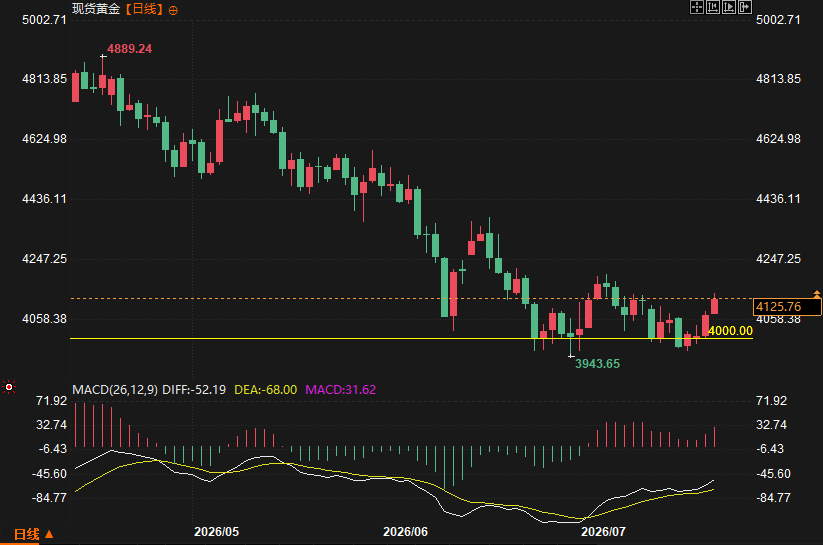
Today, traders' screens were flooded with warnings of a potential "dual strait blockade." Escalating tensions with Iran, coupled with new threats in the Red Sea, have created an unprecedented risk of oil supply disruptions, causing oil prices to surge and reigniting the nightmare of inflation. Gold struggles to rise, caught between its safe-haven appeal and the constraints of interest rate hikes; the policy signals from the Bank of England and the Federal Reserve remain ambiguous, and the currency market harbors hidden traps. Most alarmingly, US stock volatility has reached its highest level since the April "tariff rhetoric" panic, while the broader VIX index is unusually low—this divergence is usually the calm before the storm. This article will delve into the key points of the game among various assets.The crisis in the two straits: the crude oil supply chain encounters a "perfect storm".
US missiles were aimed directly at key Iranian oil facilities such as Larak Island, drastically reducing the security of the Strait of Hormuz. Simultaneously, the Houthi rebels announced the blockade of the Bab el-Mandeb Strait, a channel that, while handling only about 4.2 million barrels of oil per day, accounts for 30% of global container trade. A de facto blockade would spread from an energy crisis to manufacturing and food supply chains. A prominent foreign media outlet quoted scholars as saying that the simultaneous closure of both straits would create a "mutually reinforcing global supply chain crisis." Oil prices have risen more than 12% since last Friday, with the short-term market driven by panic. However, the Houthi rebels' ability to enforce their threats must be carefully considered; if their verbal threats fail to materialize, a sharp correction in prices could follow.Gold: Walking a tightrope between safe-haven demand and expectations of interest rate hikes
Geopolitical tensions pushed gold prices above $4,120, but the one-sided surge triggered by the war earlier this year did not repeat itself. This is because soaring oil prices are fueling inflation expectations, and the market has already priced in a roughly 70% probability of a Fed rate hike in September. The rising opportunity cost of holding non-interest-bearing gold limits its upside potential. The $4,000 level provides psychological and technical support, but as long as rate hike expectations persist, gold is unlikely to see a smooth upward trend. The key variable going forward is whether a crisis in the Straits of Columbia leads to demand disruption and recession fears outweigh inflation anxieties; in such a scenario, gold may regain its status as the ultimate safe haven.Inflation "false alarm" and the Fed's "target fog"
The UK's June CPI fell to 2.6%, seemingly giving the Bank of England a breather, but economists bluntly stated that this was merely a "calm" before the oil price surge. Inflation may return to 3%-4% in the second half of the year, and expectations for a Bank of England rate hike by the end of the year have risen again, leaving the pound in a state of short-term uncertainty. Across the Atlantic, the new Federal Reserve Chairman Warsh's refusal to explicitly commit to a 2% PCE inflation target has triggered a rift in confidence regarding the policy framework. Former officials criticized this move as leaving markets bewildered. US Treasury investors are forced to price in stagflation risks and the vacillating target; while the dollar has seen safe-haven buying, its long-term value will be questioned if central bank credibility is damaged.Soaring stock volatility: The calm before the storm?
On one hand, the VIX "fear index" is below its historical average; on the other hand, implied volatility for individual stocks has surged to its highest level since the April "tariff rhetoric," with the gap between the two being the largest in 12 years. This reflects that funds are heavily diversifying their trading, betting on individual risks while ignoring systemic crises. However, cost-sensitive sectors such as aviation and shipping have already experienced sharp fluctuations. If high oil prices erode corporate profits and earnings season brings disappointing results, the previously calm index volatility could surge, triggering a cross-asset decline. Traders need to be wary of a sudden liquidity crunch. In the short term, crude oil continues to be dominated by geopolitical headlines, prone to sharp rises and falls, and one-way betting is not advisable. Gold will fluctuate widely amid safe-haven impulses and interest rate hike uncertainties. In the foreign exchange market, the pound is hampered by rising inflation and the Bank of England's wait-and-see approach, while commodity currencies such as the Canadian dollar and Norwegian krone benefit from oil prices. In the long term, if the blockade of the two straits enters a substantial phase, the global inflation center will rise, forcing central banks to walk a tightrope between recession and inflation. Gold's value as a currency anchor will reappear, while stock market valuations will face a sustained dual test of interest rates and earnings. Closely monitor next week's Federal Reserve meeting; any hint of a deviation from its target could trigger asset repricing.Frequently Asked Questions
How does the Houthi threat to block the Bab el-Mandeb Strait differ from the Hormuz blockade? The Hormuz blockade directly cut off nearly 20% of global oil transportation, impacting energy supply; the Bab el-Mandeb Strait, while carrying a smaller volume of oil, is crucial to 15% of maritime trade and 30% of container traffic. If realized, it would trigger inflation across the entire supply chain, from electronics to food. Why hasn't gold surged due to the war? Soaring oil prices fueled inflation and interest rate hike expectations, reducing the attractiveness of non-interest-bearing gold. Safe-haven buying and interest rate pressures offset each other, resulting in a volatile upward trend in gold prices rather than a one-sided surge. Why has the pound reacted mutedly to the decline in UK inflation? The market believes this data is temporary. The Middle East conflict has driven up energy costs, and inflation is expected to rebound in the coming months. The Bank of England's unclear policy path has limited the pound's volatility. Is it possible that the Federal Reserve will abandon its 2% inflation target? The new chairman's lack of a clear commitment to the PCE target has raised concerns. If it subsequently hints at tolerating higher inflation, it will be bearish for the dollar and bullish for gold; if it adheres to the target, previous speculations will be reversed, leading to significant volatility risk. What does the surge in individual stock volatility mean? This indicates market fragility and significant pressure on specific sectors. Historically, individual stock volatility has outpaced index volatility, and the VIX may subsequently catch up, potentially coinciding with a sharp stock market decline, highlighting the need to guard against systemic risks.- Risk Warning and Disclaimer
- The market involves risk, and trading may not be suitable for all investors. This article is for reference only and does not constitute personal investment advice, nor does it take into account certain users’ specific investment objectives, financial situation, or other needs. Any investment decisions made based on this information are at your own risk.