The US Treasury increased the size of its Treasury bond repurchase program, putting the Federal Reserve's independence to the test.
2026-08-20 10:23:00
U.S. Treasury Secretary Scott Bessent recently launched a historic Treasury repurchase operation aimed at curbing rising long-term Treasury yields. This move temporarily halted the sell-off in U.S. Treasuries and eased market concerns about debt financing and rising household credit costs, but it also introduced new risks. The market generally believes that the Treasury's proactive intervention in the bond market is interfering with Federal Reserve Chairman Kevin Warsh's policy judgment, and the contradictions between the fiscal and monetary departments are gradually emerging. The upcoming Jackson Hole symposium may become a key window for observing policy trends.
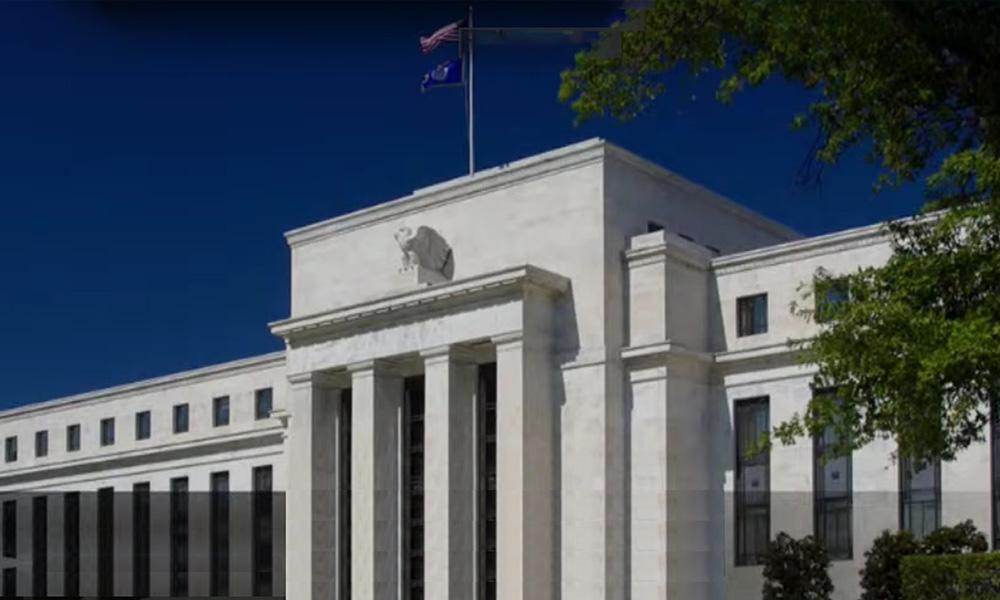
Expanding government bond repurchases could reverse the bond market sell-off in the short term.
The U.S. Treasury Department announced on Wednesday that it would increase the size of its long-term Treasury bond repurchase program, raising the maximum repurchase amount from $2 billion to at least $4 billion. Impacted by the conflict with Iran, the yield on 10-year U.S. Treasury bonds had previously risen by nearly 70 basis points, reaching a high of 4.74%, directly driving up the 30-year mortgage rate to 6.75%. The continued surge in Treasury yields has triggered significant market concerns, not only increasing the burden of home purchases for ordinary people, disrupting corporate financing plans, and suppressing stock market returns, but also significantly increasing the financing costs of the U.S. government's massive debt. Although the repurchase size is not particularly large compared to the vast amount of outstanding debt, the market views this repurchase as an important signal that Bessant is actively trying to lower long-term yields. Following the announcement, the sell-off in U.S. Treasuries was quickly contained, with the 10-year Treasury yield falling to a low of 4.63% and closing at 4.65%. The Treasury Department stated that the initial purpose of the repurchase was to improve liquidity in the existing bond market, clear out illiquid outstanding bonds with maturities of 10 to 30 years, free up space for institutional holdings, and indirectly guide interest rates downward. Brij Khurana, fixed income portfolio manager at Wellington Investments, said that the Treasury does not have the ability to print money to buy bonds, and the funds for repurchase need to be raised by issuing short-term Treasury bills , which is fundamentally different from the Federal Reserve's quantitative easing.Debt restructuring harbors hidden risks; multiple experts warn of potential backlash.
The market widely anticipates that the Treasury Department will likely replace long-term bonds with short-term Treasury bills to artificially adjust the yield curve; however, the official method of fundraising has not been disclosed. This is not the first time Treasury Secretary Bessant has intervened in the bond market. He previously used fiscal funds to intervene in the yen exchange rate and pushed the Treasury to increase the issuance of short-term bonds. Currently, short-term Treasury bills account for 22.2% of the total US Treasury bond market, exceeding the reasonable upper limit of 20% recommended by the Treasury's Lending Advisory Committee. Ironically, Bessant had previously publicly criticized his predecessor's excessive issuance of short-term debt. The concentration of debt maturities in the short term will bring significant fiscal risks. Data from the Congressional Budget Office shows that net interest payments on US Treasury bonds reached $963 billion in the first ten months of fiscal year 2026, accounting for approximately 15% of total fiscal expenditure. After the debt becomes shorter-term, government interest payments will become extremely sensitive to interest rate changes; if the Federal Reserve raises interest rates subsequently, the pressure on fiscal interest payments will rapidly increase. Khurana stated that artificially suppressing long-term interest rates would stimulate aggregate demand, exacerbate inflation stickiness, and a simultaneous weakening of the dollar would also raise the prices of imported goods, further intensifying inflationary pressures. Joseph Brusuelas, chief U.S. economist at RSM, said that such administrative intervention would distort markets and, in the long run, fuel populist demands, forcing central banks to align with fiscal targets.Interfering with market signals, the Federal Reserve finds itself in a policy dilemma.
Federal Reserve Chairman Warsh stated at a press conference on July 29 that rising market yields had already accomplished some of the Fed's tightening work, and he hoped the bond market could provide purely market signals for policy reference. However, a series of interventions by the Treasury Department are distorting bond market price signals and interfering with the Fed's judgment. Next week, Warsh will attend the Jackson Hole Economic Symposium in Wyoming, and the market expects him to comment on the contradictions between fiscal and monetary policy. Joseph Brusuelas stated that the Fed will continue to face real pressure to cooperate with fiscal policy, and compromise could easily lead to significant policy mistakes in the long run.Conclusion
Overall, while Treasury repurchase operations have stabilized the US Treasury market in the short term, they are not a fundamental solution. The short-term nature of debt amplifies fiscal interest rate risks, and intervention distorts market pricing, posing a real challenge to the Federal Reserve's independent monetary policy. The statements made at the Jackson Hole symposium will be a crucial indicator for assessing the direction of US Treasury bonds and monetary policy.- Risk Warning and Disclaimer
- The market involves risk, and trading may not be suitable for all investors. This article is for reference only and does not constitute personal investment advice, nor does it take into account certain users’ specific investment objectives, financial situation, or other needs. Any investment decisions made based on this information are at your own risk.