Exchange inventories are rising rapidly, and the logic for the next stage of the copper market is changing.
2026-08-20 17:00:57
Amidst heightened volatility in global industrial metals markets, copper prices on the London Metal Exchange (LME) have recently remained high. On Thursday, August 20th, LME copper traded around $14,000 per tonne, a significant rise from the previous trading day's low. The factors driving copper prices are not solely supply and demand changes, but rather the combined effect of fiscal policy expectations, inventory restructuring, the dollar's performance, and supply chain reallocation. Recently, the US Treasury Department has taken measures to increase purchases of long-term government bonds to alleviate the pressure of rapidly rising long-term interest rates. Changes in bond yields, by affecting the attractiveness of dollar-denominated assets, further transmit to the commodity market. When downward pressure on long-term yields intensifies, the dollar index is easily affected, and the cost structure of dollar-denominated metal commodities may change for non-dollar funds, thus influencing market sentiment.  Meanwhile, the supply shortage in the copper market previously caused by a rapid decline in inventories is showing signs of easing. A large amount of copper resources are returning to exchange warehouses, reducing market concerns about a short-term supply gap. However, inventory distribution, regional price differences, and changes in trade flows remain important factors influencing price fluctuations.
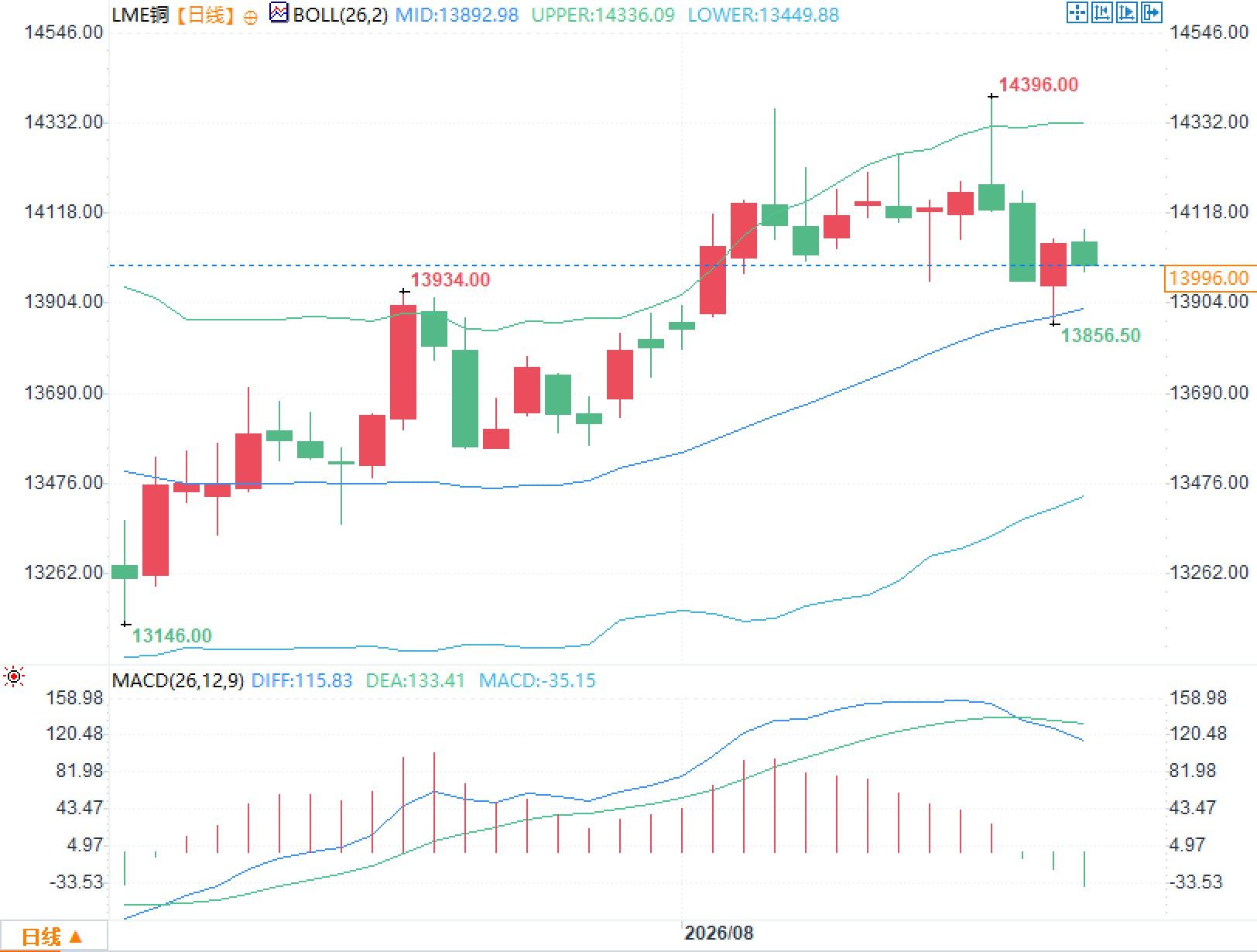 Regarding moving averages, copper prices had previously formed a clear upward structure, with short-term moving averages gradually trending upwards, reflecting a temporary improvement in market sentiment. However, after the continuous price increase, technical indicators have shown some signs of dulling, with changes in momentum in the MACD indicator suggesting a slowdown in the upward pace. From a market structure perspective, the previous rapid rise was mainly driven by expectations of tight supply, but as inventories recover, the market needs to find new pricing criteria. If subsequent demand expectations strengthen, industrial attributes may regain dominance; if demand recovery falls short of expectations, financial factors and inventory changes may re-influence the market rhythm.
Meanwhile, the supply shortage in the copper market previously caused by a rapid decline in inventories is showing signs of easing. A large amount of copper resources are returning to exchange warehouses, reducing market concerns about a short-term supply gap. However, inventory distribution, regional price differences, and changes in trade flows remain important factors influencing price fluctuations.The inventory crisis has eased temporarily, and the copper market has entered a phase of supply and demand repricing.
One of the key factors behind the recent copper price surge was the significant decline in exchange inventories. As some market participants anticipated that changes in import policies might impact future supply costs, a large amount of copper resources flowed prematurely to specific regional markets, thus depleting exchange inventories. Declining inventories typically amplify the market's sensitivity to supply shortages. When spot inventories are low, any supply-side disruptions can lead to increased spot premiums, term structures, and price volatility. The rapid price surge in the recent copper market was directly related to the liquidity pressures caused by tight inventories. However, as more copper resources enter exchange warehouses, expectations of supply tightness have begun to cool. Inventory replenishment indicates that the short-term supply-demand imbalance in the market is easing, and the pricing of extreme supply risks has decreased. However, it's important to note that increased inventories do not necessarily mean a complete return to stable supply and demand. The copper industry chain has strong global liquidity, and changes in inventories in different regions do not necessarily represent a global supply easing. For example, an increase in exchange inventories may reflect adjustments in trade direction rather than a significant increase in mine supply capacity. Therefore, the current copper market is gradually shifting from an "inventory-driven" phase to a phase of "co-pricing by macroeconomics and industry." In the future, the market's focus will shift from simply observing inventory changes to analyzing mining supply, smelting profits, end-user demand, and global manufacturing cycle changes.Changes in the US dollar and interest rates have become important financial factors influencing copper price fluctuations.
Copper is not only an industrial raw material but also a highly financialized commodity. The dollar's performance, interest rate levels, and global risk appetite all influence copper market trading logic. The recent decline in the dollar index is mainly due to adjustments in market expectations regarding changes in the interest rate environment. For the international metals market, a weaker dollar often reduces the cost for non-dollar funds to purchase dollar-denominated commodities, thereby improving market demand expectations for some industrial metals. However, the impact of financial factors on copper prices is not unidirectional. If global economic growth expectations improve, copper, as an industrial metal, will be supported by manufacturing demand expectations; but if economic activity slows, the support from improved financial conditions may be offset by insufficient actual demand. The current market complexity lies in the time lag between changes in macroeconomic liquidity and real demand. Adjustments in interest rate expectations may first affect financial markets, while changes in manufacturing orders, corporate investment, and consumer demand require a longer period to materialize. Therefore, the copper market trading logic is exhibiting a complex interplay of multiple factors. On the one hand, low inventory levels increase market sensitivity to supply disruptions; on the other hand, uncertainty on the demand side limits the stability of price trends.Technical indicators suggest increased volatility, with the market focusing on signals of a shift in trend strength.
From a technical perspective, copper prices have recently entered a period of high-level consolidation after a rapid upward movement. The daily chart shows that prices broke through the mid-term consolidation zone and are currently trading near the upper Bollinger Band, indicating a rebalancing of market forces between bulls and bears. Regarding moving averages, copper prices had previously formed a clear upward structure, with short-term moving averages gradually trending upwards, reflecting a temporary improvement in market sentiment. However, after the continuous price increase, technical indicators have shown some signs of dulling, with changes in momentum in the MACD indicator suggesting a slowdown in the upward pace. From a market structure perspective, the previous rapid rise was mainly driven by expectations of tight supply, but as inventories recover, the market needs to find new pricing criteria. If subsequent demand expectations strengthen, industrial attributes may regain dominance; if demand recovery falls short of expectations, financial factors and inventory changes may re-influence the market rhythm.
- Risk Warning and Disclaimer
- The market involves risk, and trading may not be suitable for all investors. This article is for reference only and does not constitute personal investment advice, nor does it take into account certain users’ specific investment objectives, financial situation, or other needs. Any investment decisions made based on this information are at your own risk.