Institutions are arguing that raising interest rates alone is not enough for the yen; they suggest considering bringing overseas assets back to Japan.
2026-08-31 15:34:03
The yen has already benefited from the market's aggressive pricing in of a tightening by the Bank of Japan, with an implied probability of an 85% rate hike in September. However, OCBC foreign exchange strategists Sim Moh Siong and Christopher Wong point out that for the yen to appreciate further, it may need policy tools beyond rate hikes, such as measures to encourage the repatriation of overseas assets, as the Bank of Japan faces constraints in both the speed and magnitude of rate increases.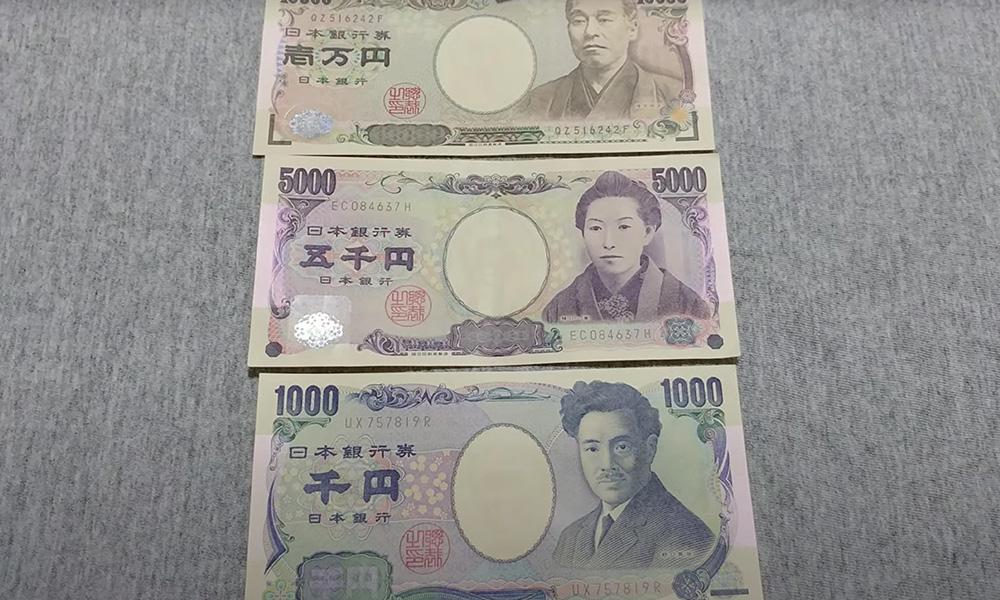
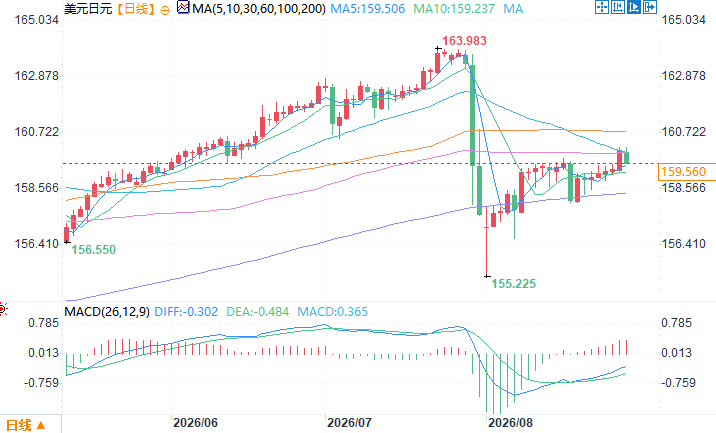 USD/JPY Daily Chart Source: FX678 At 15:24 Beijing time on August 31, USD/JPY was trading at 159.55/56.
Interest rate hike expectations have been fully priced in, and the yen is the first to benefit.
Siong stated, "A September rate hike would break the Bank of Japan's usual pattern in this tightening cycle, where rate hikes typically occur every six months, most recently in June. Even so, it's unlikely the Bank of Japan will exceed market hawkish expectations." He added, "The Japanese interest rate market has already priced in an approximately 85% probability of a September rate hike, and a faster pace of tightening thereafter. Current pricing implies that the policy rate will rise from 1.00% to 1.75% until July 2027."In addition to interest rate hikes, the repatriation of overseas assets is also needed to provide support.
Siong stated, "Given the constraints the Bank of Japan faces in terms of the pace and magnitude of interest rate hikes, additional measures may still be needed to address more persistent pressure on the yen's depreciation. One option is a policy aimed at encouraging the repatriation of overseas assets." This view reveals a crucial reality: relying solely on interest rate tools may be insufficient for the Bank of Japan to reverse the yen's long-term weakness. A large-scale repatriation of overseas assets is a more fundamental and potential solution.Three key highlights: the September meeting, the Ueda-Takashi meeting, and the G20 summit.
Looking ahead, Siong said, "Market attention will turn to the Bank of Japan meeting in September, the possible meeting between the central bank governor and the prime minister, and this week's G20 finance ministers and central bank governors meeting, in order to look for further policy signals." These three events will be key windows for judging the medium-term trend of the yen.Conclusion
With the probability of an 85% rate hike in September, the market seems to have fully priced in the short-term policy benefits for the yen. OCBC Bank's assessment hits the nail on the head: if the yen is to embark on a more sustained appreciation trend, the Bank of Japan may not be able to rely solely on interest rate hikes. Encouraging the repatriation of overseas assets and coordinating policies at the government level may be the other side of the coin. This week's G20 meeting, the Bank of Japan's September decision, and the potential meeting between Ueda and Takashi will all determine how the next chapter of the yen's story unfolds. USD/JPY Daily Chart Source: FX678 At 15:24 Beijing time on August 31, USD/JPY was trading at 159.55/56.
- Risk Warning and Disclaimer
- The market involves risk, and trading may not be suitable for all investors. This article is for reference only and does not constitute personal investment advice, nor does it take into account certain users’ specific investment objectives, financial situation, or other needs. Any investment decisions made based on this information are at your own risk.