The most intense clashes between the US and Iran in weeks: US airstrikes target over 100 locations, Iran shoots down MQ-9 drone and attacks US bases in four countries.
2026-09-02 14:41:05
On September 1, 2026, local time, the U.S. military launched its largest military strike against Islamic Revolutionary Guard Corps targets in Iran since July, lasting approximately six and a half hours. Iran subsequently launched a multinational retaliatory counterattack, hitting a U.S. MQ-9 Reaper drone and launching a combined missile and drone strike against U.S. targets in Jordan, Bahrain, Kuwait, and Iraq. After approximately one month of relative calm, the two sides resumed fierce fighting, drastically escalating the situation in the Middle East. 
The US launched a large-scale air strike: targeting the Revolutionary Guard.
U.S. Central Command officially launched its strike operation at 12:00 PM Eastern Time on September 1st. During the approximately six-and-a-half-hour operation, the U.S. military targeted Iranian Islamic Revolutionary Guard Corps (IRGC) air defense positions, radar systems, maritime assets and facilities, mine-laying capabilities, and communication sites. A U.S. military statement said the strike was a response to the IRGC's recent attempts to attack commercial shipping in the Strait of Hormuz and U.S. military personnel. U.S. President Trump stated on social media that the strike was "large and powerful," a retaliatory action against Iran's mine-laying in the Strait of Hormuz and the launch of eight missiles at U.S. military bases in Jordan. The airstrikes affected multiple locations in southern Iran. According to CCTV News, explosions were heard in multiple locations in southern Iran, including Bandar Abbas, Qeshm Island, Ravan Island, Sirik, Jask, Konarak, and Chabahar. Bandar Abbas was attacked at least three times that evening. Girovt Airport in Kerman Province and locations near Ahvaz, the capital of Khuzestan Province, were also attacked by U.S. forces. Currently, more than 50,000 U.S. military personnel are deployed throughout the Middle East. Trump warned that if Iran retaliates against the strike, the United States will launch a “more powerful and higher-level” strike, and that “the ultimate strike is poised to strike.”Heavy civilian casualties: Wedding venue hit by shrapnel
The airstrike caused serious civilian casualties. According to Iranian media reports, a house where a wedding was taking place in the Sirik district of Hormozgan province in southern Iran was hit by shrapnel from US military equipment. Reports of casualties differ: Hormozgan provincial officials initially stated that four people were killed and 50 injured; the death toll later rose to five, including a four-year-old child, and approximately 50 others were injured, 35 of whom were seriously wounded. The Iranian Red Crescent stated that the attack killed five people, including a young child. The deputy governor of Khuzestan province in southwestern Iran stated that the US attack killed seven people and injured eight. The US military has not yet commented on the attack on the wedding.Iran launches multi-pronged counterattack: US military targets in four countries attacked.
Hours after the airstrike, Iran's Islamic Revolutionary Guard Corps (IRGC) swiftly launched a retaliatory operation. The IRGC announced it had begun a counterattack against the aggressors, shooting down a US MQ-9 drone over Khomein using its new air defense system in its first operation . Khomein is located in Iran's Central Province, about 70 kilometers from Arak. According to Iran, this was the 50th US MQ-9 drone shot down. Simultaneously, Iran launched large-scale strikes against US targets in several countries. The IRGC claimed to have carried out combined missile and drone attacks on US targets in Jordan, Bahrain, Kuwait, and Erbil, Iraq. Jordan: The Jordanian Armed Forces stated that its air defense systems intercepted 10 to 13 ballistic missiles that entered the country's airspace in the past few hours, with three more landing in remote areas. Bahrain: The Iranian military issued a statement claiming to have launched a large-scale drone attack on US radar facilities and assembly centers in Sheikh Issa, Bahrain. Bahrain stated that the Iranian drones were intercepted and destroyed. Kuwait: Early on September 2nd local time, the Kuwaiti military claimed an Iranian attack, stating that its air defense system was intercepting hostile aerial targets and that multiple US military bases experienced explosions. The Iranian Revolutionary Guard claimed responsibility for a combined missile and drone attack on the US commander's residence at the Ali Salem Air Base in Kuwait. Iraq: The Revolutionary Guard claimed responsibility for a combined missile and drone attack on a US base in Erbil, northern Iraq, claiming several US personnel deaths. However, neither Iraq nor the US has confirmed the attack. US officials stated that, according to preliminary assessments, there were no US casualties in the Iranian retaliatory strikes.The verbal exchange escalates: Trump claims "Iran's economy has completely collapsed."
As military confrontation resumes, the verbal exchanges between high-level officials of both sides have intensified. On September 1, US President Trump stated on social media that he was not trying to force Iran back to the negotiating table, as reported by the media, and said he didn't care whether Iran signed a "worthless agreement." Trump claimed he was more satisfied with the current situation in the US, stating that the US has "almost complete control" of the Strait of Hormuz, while the Iranian economy is "completely collapsing." He stated that Iran is merely delaying the "inevitable outcome." The Iranian Joint Military Command, in a statement, warned: "If the US continues its atrocities in the region, it will face a more violent, broader, and more destructive retaliation; any country that cooperates with the aggressive US military must bear its dangerous consequences." Iranian Islamic Revolutionary Guard Corps spokesman Mohbi stated that the aggressor will be severely punished, and the US will pay the price for its new attacks. The General Staff of the Iranian Armed Forces issued a statement saying it would deliver a "devastating blow" to the US. It is noteworthy that just hours before the US airstrikes, Iranian President Pezechzian stated that if the US resumed fulfilling the June memorandum of understanding, Iran was willing to immediately resume its obligations. The near-simultaneous appearance of diplomatic signals and military action suggests that both sides are attempting to shift blame onto each other while using military pressure to increase their bargaining power.US military strikes Iranian oil tanker for the first time
According to a report by the US news website Axios on September 1, the US military attacked two Iranian oil tankers anchored near the Iranian coast that day, with the strikes carried out by US drones. US officials stated that this was the first time the US military had retaliated against Iranian attacks on ships in the Strait of Hormuz by attacking Iranian oil tankers. Previously, on August 31, Iranian media, citing the Revolutionary Guard, reported that a supertanker had struck a mine in the Strait of Hormuz, caught fire, and stopped sailing, claiming that the tanker was "attempting to illegally transit the southern part of the Strait of Hormuz." The US Central Command subsequently issued a statement denying this claim.The international community calls for restraint
UN Secretary-General António Guterres expressed regret over the resumption of fighting between the US and Iran, calling on both sides to exercise "maximum restraint" and encouraging a return to diplomatic negotiations to restore regional stability and confidence. US embassies in Jordan, Qatar, Bahrain, and Saudi Arabia, among other Middle Eastern countries, have issued security alerts, stating that the situation in the Middle East is tense and there is a "risk of unexpected escalation," urging US citizens in the region to remain cautious and vigilant, and to prepare for flight cancellations, temporary airspace closures, and travel disruptions.Editor's Summary
This clash between the US and Iran marks the most serious military confrontation between the two sides since July, ending a relatively calm period of about a month. The US military launched strikes against multiple targets of the Iranian Revolutionary Guard in six and a half hours, covering a wide range of facilities including air defense, radar, maritime assets, and communication systems. Iran responded by shooting down a US MQ-9 drone and launching a multi-front counterattack against US targets in four countries, demonstrating its cross-regional retaliatory capabilities. Civilian casualties—particularly the attack on a wedding that resulted in the deaths of children—further exacerbated international concerns about an escalation of the conflict. The Trump administration signaled a "no rush to negotiate," while Iran, while sending diplomatic signals, also demonstrated its military retaliatory capabilities; both sides are using military pressure to gain leverage in negotiations. The struggle for control of the Strait of Hormuz remains a key thread in observing the situation's trajectory, with the international community widely concerned that this clash could be the starting point for a new spiral of escalation.Frequently Asked Questions
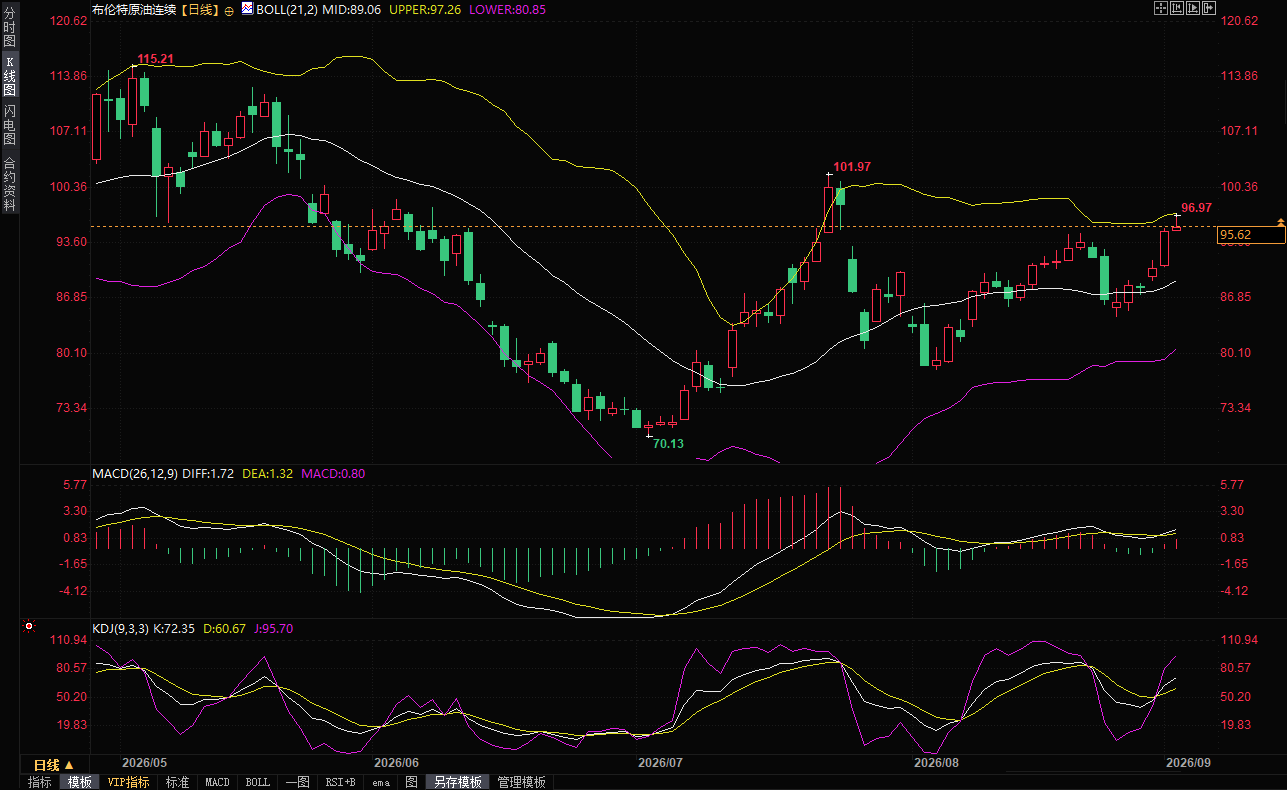
Q: What triggered this conflict between the US and Iran? A: The immediate trigger for this conflict was Iran's alleged mine-laying in the Strait of Hormuz and missile launches at US military bases in Jordan. US Central Command stated that Iranian Revolutionary Guard personnel were preparing to use rocket launchers on Larak Island to lay mines in the Strait of Hormuz, posing a threat to commercial shipping. The US military launched its first strike on August 30th against two rocket launchers on Larak Island. Subsequently, Iran launched missiles at US bases in Jordan, and the US launched a larger-scale airstrike on September 1st. Q: What was the scale and target of this US strike? A: The US strike lasted approximately six and a half hours, targeting Iranian Islamic Revolutionary Guard Corps air defense positions, radar systems, maritime assets and facilities, mine-laying capabilities, and communication sites. The strike covered multiple locations around the Strait of Hormuz in southern Iran, including Bandar Abbas, Qeshm Island, Sirik, Jask, and Chabahar. Trump called the strike "large and powerful" and warned that "the ultimate strike is poised to strike." Q: How did Iran respond to the US strikes? A: Iran adopted a multi-pronged retaliatory strategy. First, the Revolutionary Guard used a new air defense system to shoot down a US MQ-9 drone over Khomein. Second, it launched a combined missile and drone attack on US targets in Jordan, Bahrain, Kuwait, and Erbil, Iraq. The General Staff of the Iranian Armed Forces also issued a statement saying it would deliver a "devastating blow" to the United States. In addition, the Iranian military claimed to have launched a large-scale drone attack on a US radar facility in Sheikh Issa, Bahrain. Q: How many civilian casualties were caused in this conflict? A: Reports on civilian casualties vary. Officials in Hormozgan province, Iran, said an attack on a wedding in Sirik city resulted in 4 deaths and 50 injuries. Subsequent reports indicated the death toll rose to 5, including a 4-year-old child, and approximately 50 injuries, 35 of whom were seriously injured. The deputy governor of Khuzestan province in southwestern Iran stated that the US attack resulted in 7 deaths and 8 injuries. The US military has not yet commented on the wedding attack. Q: What impact will this conflict have on shipping in the Strait of Hormuz? A: The Strait of Hormuz is one of the world's most important oil shipping routes, and this conflict directly revolves around control of the strait. Trump claimed that the United States has "almost complete control" of the Strait of Hormuz. The US military retaliated against Iran's previous attacks on ships in the strait by attacking Iranian oil tankers for the first time. Iran has consistently threatened to strike oil tankers that transit the strait without authorization. Analysts believe that the threat of mines and the escalation of military confrontation may push up international oil prices and increase uncertainty in the global energy market. Q: What impact will this conflict have on international oil prices? This conflict directly revolves around the Strait of Hormuz, which carries about one-third of the world's seaborne oil trade. Concerns about shipping security have quickly translated into a risk premium for oil prices. As of the close of trading on September 1, WTI crude oil surged 5.2% to $90.22 per barrel, and Brent crude oil rose 4.6% to $94.65 per barrel; on September 2, Brent further increased, once approaching $97, a new high since July 74. If the conflict continues or Iran's export hub is attacked, oil prices may rise further. At 14:36 Beijing time, Brent crude oil was trading at $95.66 per barrel.- Risk Warning and Disclaimer
- The market involves risk, and trading may not be suitable for all investors. This article is for reference only and does not constitute personal investment advice, nor does it take into account certain users’ specific investment objectives, financial situation, or other needs. Any investment decisions made based on this information are at your own risk.