A fluctuation of more than 1 yen has sparked market speculation about whether Japan is re-entering the foreign exchange market.
2026-09-03 18:01:03
On Thursday, September 3rd, market focus was on the sharp fluctuations in the Japanese yen market. Recent short-term changes in the exchange rate have led some traders to speculate that the Japanese authorities may intervene in the market again. However, data released by the Bank of Japan (BOJ) did not indicate large-scale foreign exchange intervention; the market volatility stemmed more from traders' reassessment of the BOJ's future interest rate path. Data showed that the BOJ expects fiscal factors to lead to a decrease of approximately 410 billion yen in the current account, while market institutions had previously predicted an average decrease of approximately 700 billion yen. This difference is significantly lower than the key reference level used to assess the scale of intervention in the past. In comparison, a previous, smaller intervention by Japan amounted to 729 billion yen, therefore, this data does not support the judgment that Japan will re-implement large-scale exchange rate operations. The core concern of the market is not simply exchange rate fluctuations, but rather the changing environment of Japan's monetary policy. As expectations for a BOJ interest rate hike have resurfaced, traders have begun to adjust their previously formed interest rate expectations and asset allocations. 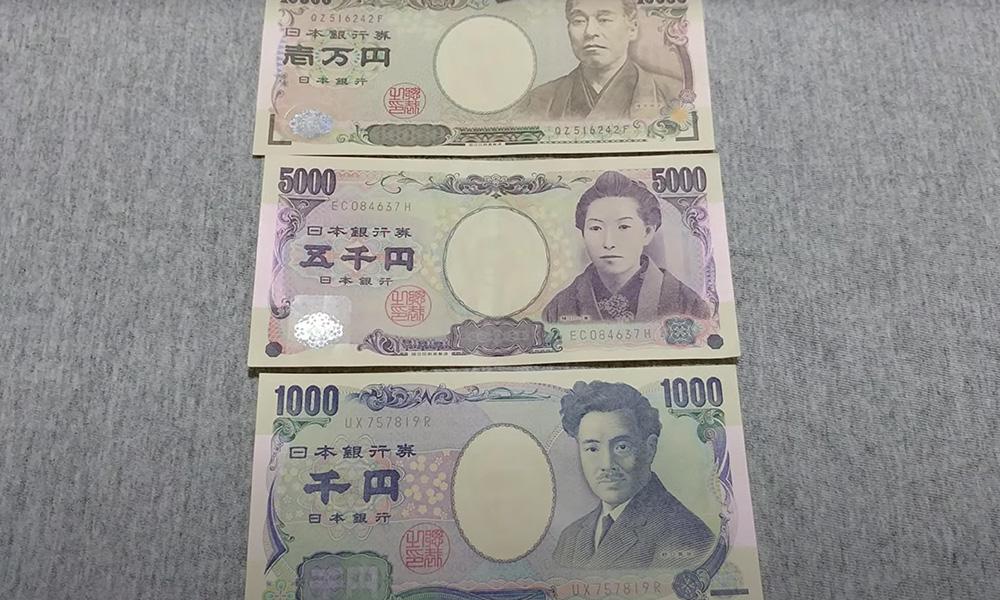
Rapid exchange rate fluctuations are not necessarily a sign of official intervention; the market is re-evaluating policy signals.
The currency market has always been highly sensitive to Japanese policy intervention. In the past, Japanese authorities' actions were typically accompanied by significant and rapid exchange rate fluctuations, making short-term volatility easily trigger market speculation. This time, however, the situation is different. Data shows that the exchange rate fluctuated by more than 1 yen at one point, but the magnitude was significantly different from historical intervention phases. In the past, Japan typically intervened in the market only after observing a significant exchange rate adjustment, with the initial intervention often corresponding to a change of about 5 yen. Therefore, from a data perspective, this market volatility is more consistent with adjustments in trading positions and changes in expectations, rather than direct intervention by policymakers. Traders are reassessing the Bank of Japan's future policy pace. Previously, due to Japan's prolonged low-interest-rate environment, a relatively stable carry trade structure had formed in the market. However, with changes in Japan's inflation environment, wage trends, and the normalization process of policy, the market has begun to recalculate the path of Japanese interest rates. Exchange rate changes essentially reflect capital's judgment on future yield differences. When interest rate expectations adjust, capital flows and trading structures also change. Therefore, this volatility reflects a rebalancing of the market pricing mechanism.Expectations of a Bank of Japan interest rate hike are rising, making the interest rate path a key market variable.
A key backdrop to this market correction is the increased focus on the Bank of Japan's (BOJ) future policy direction. Market sources indicate that the BOJ is inclined to raise interest rates by 25 basis points at its September meeting, while maintaining flexibility regarding its future policy path. This suggests that the BOJ has not signaled a clear intention for rapid and continuous tightening, but rather is maintaining room for adjustment based on economic data and inflation performance. For the market, the key is not the magnitude of a single rate hike, but whether the future interest rate environment will continue to change. If the market believes that the BOJ's policy normalization may accelerate, then some trading structures previously built on low financing costs may face adjustment pressure. Conversely, if economic data fails to consistently support expectations of further tightening, the market may also revise its previous assessments. The importance of the BOJ's policy communication is increasing. For a considerable period, there has been a significant interest rate differential between the BOJ and other major economies, making policy changes prone to triggering a reallocation of international funds. Currently, the market's focus has shifted from "whether to intervene in the exchange rate" to "how the BOJ will balance economic growth, inflation trends, and financial stability in the future."The 15.4 trillion yen stimulus package has left an impact, with the market now focusing more on the credibility of the policy.
Previously, Japanese authorities injected 15.4 trillion yen into the market, drawing significant global attention. However, foreign exchange market intervention typically only affects short-term fluctuations; long-term exchange rate trends still depend on economic fundamentals, differences in monetary policy, and capital flows. The Bank of Japan's recent data did not show a similar scale of capital movement, indicating that the market needs to avoid simply attributing all short-term exchange rate fluctuations to policy intervention. For trading markets, policy credibility and communication methods are often more important than a single action. When the market perceives a clear direction from the central bank's policy, asset prices typically gradually repric around these new expectations. The biggest change in current Japanese monetary policy is that the market is adapting to a more normalized interest rate environment. Trading logic that previously relied on low interest rates is being influenced by new policy variables. Therefore, future market observation will focus on the Bank of Japan's meeting statements, changes in economic data, and policymakers' descriptions of the future interest rate path.Frequently Asked Questions
Question 1: Bank of Japan data shows no intervention, so why is the exchange rate still fluctuating significantly? Answer: This fluctuation is mainly related to market adjustments in expectations regarding the Bank of Japan's interest rate hikes. Traders are readjusting their positions based on changes in policy signals, causing short-term rapid changes in the exchange rate, which does not necessarily indicate official intervention. Question 2: What does the rising expectation of a September interest rate hike by the Bank of Japan mean for the market? Answer: Changes in interest rate hike expectations mean the market is reassessing the Japanese interest rate environment. Future focus will be on policy continuity, economic data performance, and the central bank's communication regarding its future path. Question 3: Why does the previous 15.4 trillion yen intervention still affect market sentiment? Answer: Due to the large scale of that action, it has become a market memory, so any rapid exchange rate changes easily trigger related speculation. However, the long-term impact still depends on economic fundamentals and differences in monetary policy.- Risk Warning and Disclaimer
- The market involves risk, and trading may not be suitable for all investors. This article is for reference only and does not constitute personal investment advice, nor does it take into account certain users’ specific investment objectives, financial situation, or other needs. Any investment decisions made based on this information are at your own risk.