The White House is putting strong pressure on the Federal Reserve, intensifying the September interest rate battle and putting the Fed's independence to a major test.
2026-09-10 13:30:07
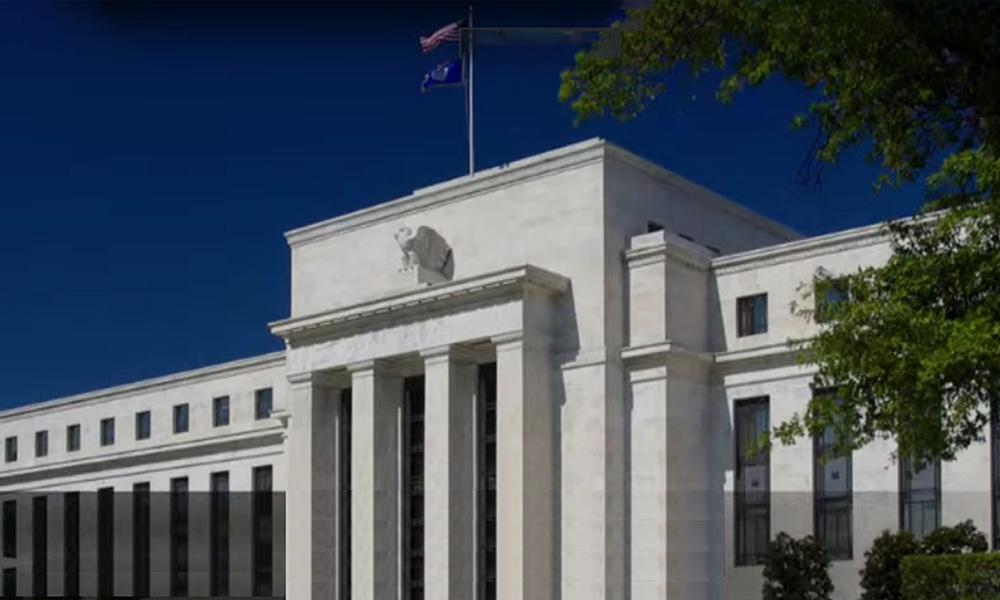
The Federal Reserve's September monetary policy meeting is approaching, scheduled for September 15-16 local time, and the political and financial market battle in the United States has reached a climax. President Trump and senior government officials have continued to urge the Fed not to raise interest rates, even directly demanding rate cuts. Raising interest rates would increase borrowing costs across society, further burdening American households already under price pressures. However, tightening policies could also suppress consumption and credit demand, cooling the economy and thus alleviating inflationary pressures. Many economists warn that this policy choice is not only about prices and people's livelihoods, but also a major test of the Fed's independence. This year, the Fed has maintained interest rates unchanged, and inflation remains significantly above the 2% policy target. Fed Chairman Kevin Warsh has already reduced forward guidance, decreasing premature pronouncements on the future path of interest rates, yet market investors are still betting on a rate hike at this meeting. 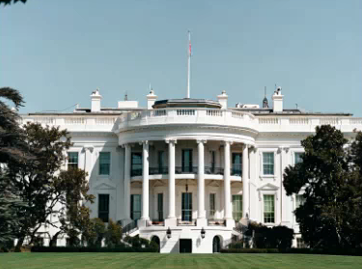
The White House and the market are at odds, and the midterm elections have amplified policy contradictions.
The latest data from the CME FedWatch Tool shows that federal funds rate futures pricing indicate a 60% probability of a 25 basis point rate hike at the September policy meeting. This meeting is only weeks away from the November US midterm elections, and polls show widespread voter dissatisfaction with high prices and high borrowing costs. The potential rate hike, coupled with inflationary pressures from the Iranian conflict and continued volatility in the bond market, could put even greater pressure on American household finances. Economic analyst Mark Hamrick, founder of the Hamrick Briefing, stated that persistently high prices have the most significant impact on low- and middle-income families, with many struggling to even purchase basic necessities. Trump believes the US should maintain some of the lowest interest rates globally, arguing that excessively high federal funds rates will put the US at an economic disadvantage compared to countries with lower interest rates. While he didn't directly attack Warsh as he did with former Fed Chairman Powell, he posted on Truth Social on September 4th, urging the Fed Board and its new leadership to act wisely and make patriotic choices.Economists disagree: Premature interest rate cuts will backfire on price stability.
Mark Higgins, senior vice president of an index fund advisory firm and author of *Investing in American Financial History: Understanding the Past and Predicting the Future*, stated that premature interest rate cuts would undermine efforts to curb inflation. He said historical experience shows that the most reliable way to restore price stability is to maintain a sufficiently restrictive monetary policy until inflation is completely under control. Given the prolonged duration of this round of inflation, sending a clear policy signal through a rate hike is reasonable and in the fundamental interest of the American people. Mark Zandi, chief economist at Moody's Analytics, believes that the president's call for the Federal Reserve to cut interest rates is likely to backfire, pushing already rising long-term interest rates even higher. Before the Iranian conflict, fixed mortgage rates were below 6%. If policy is misjudged, 30-year fixed mortgage rates could surge past 7%, with financing costs for businesses and commercial real estate rising in tandem, putting pressure on the stock market. Zandi added that if the Federal Reserve succumbs to political pressure and chooses to cut rates, bond investors will panic, and the market will interpret this as the Fed losing its independent decision-making ability, thus anticipating further inflation in the future.How interest rate hikes are transmitted to ordinary people depends on the credibility of the central bank.
The Federal Reserve's increase in benchmark interest rates will push up borrowing costs across society, increasing interest payments on auto loans, credit card debt, and mortgages. Short-term consumer debt rates are closely linked to prime lending rates, which are typically 3 percentage points higher than the federal funds rate. Long-term rates, however, are more determined by inflation expectations and other macroeconomic factors. 15-year and 30-year fixed mortgage rates mainly fluctuate with Treasury yields, and have recently risen significantly amid a bond market sell-off. Influenced by rising oil prices and increased inflation expectations, the 10-year Treasury yield briefly broke through 4.8% on Tuesday (September 8th), and Mortgage News Daily data showed that the average 30-year fixed mortgage rate rose to 6.89%. Mark Hamrick stated that once the public loses confidence in the Fed's ability to stabilize prices, they will form expectations that high inflation is inevitable. These expectations will be self-reinforcing, affecting corporate pricing and wage negotiations, further increasing the difficulty of controlling inflation. Government pressure also highlights the value of the Fed's independent decision-making mechanism. Maintaining institutional independence ultimately enhances the Fed's ability to serve the American public.Conclusion
The Federal Reserve's interest rate decision in September has transcended the realm of simple price control, evolving into a dual game of economics and politics. The White House, driven by concerns about people's livelihoods and the upcoming election, is calling for a rate cut, while the market and some economists worry that loose monetary policy could reignite inflation. Raising rates would directly increase mortgage and credit pressures on residents, but abandoning tightening would raise questions about the Fed's independence and lead to more prolonged inflationary damage. Investors should pay close attention to the meeting's resolution, the Fed's statement, and the interconnected reactions of assets such as long-term bonds, oil prices, and the US dollar. The policy outcome will profoundly impact the pricing logic of global asset classes.- Risk Warning and Disclaimer
- The market involves risk, and trading may not be suitable for all investors. This article is for reference only and does not constitute personal investment advice, nor does it take into account certain users’ specific investment objectives, financial situation, or other needs. Any investment decisions made based on this information are at your own risk.