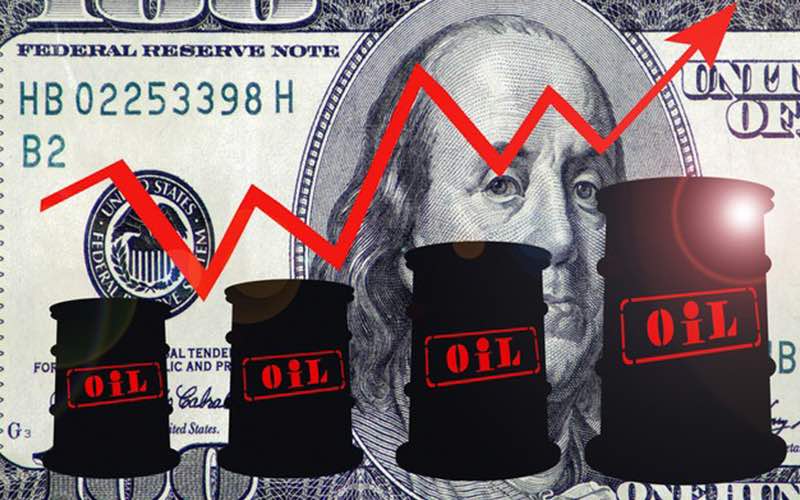
Gold prices are under pressure from three factors: oil prices breaking $100, the probability of a Fed rate hike reaching 86.5%, and the Bank of Japan expected to raise rates on Friday.
2026-09-14 15:32:08
Gold prices edged lower in Asian trading on Monday (September 14), currently down 0.6% to around $4,320 per ounce, as soaring oil prices exacerbated inflation concerns, boosting market expectations for a rate hike at this week's Federal Reserve policy meeting. The CME FedWatch Tool shows the market has priced in an 86.5% probability of a rate hike at Thursday's Fed meeting (Beijing time), up from about 67% before last week's inflation data release; the Bank of Japan is also widely expected to raise rates on Friday. The prospect of further tightening by major central banks presents a clear yield headwind for gold, a non-interest-bearing asset. 
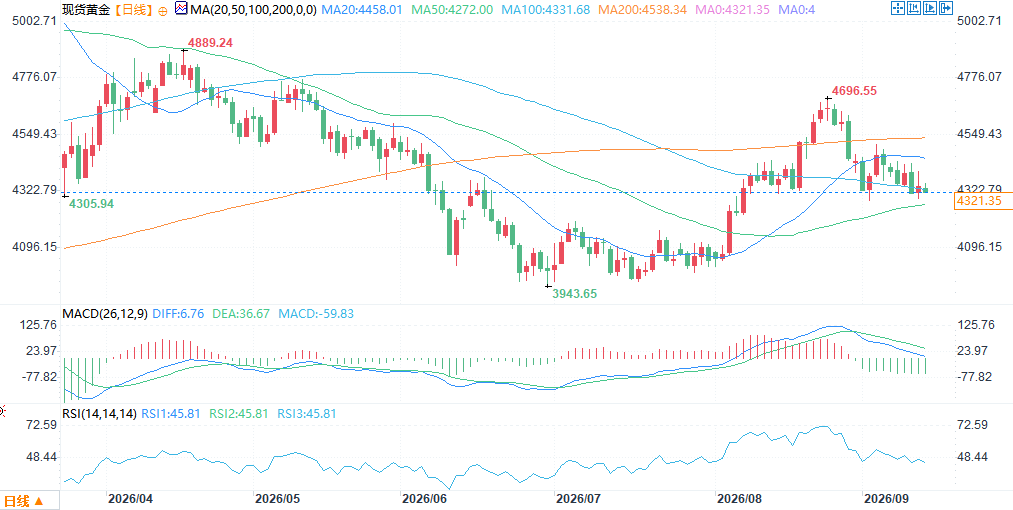 (Spot gold daily chart, source: FX678) At 15:16 Beijing time, spot gold was trading at $4322.51 per ounce.
Soaring oil prices and expectations of interest rate hikes are exerting double pressure.
A chief market analyst noted, “Gold hasn’t found favorable conditions. Rising energy prices, coupled with mounting interest rate expectations ahead of the Fed and Bank of Japan meetings, are creating a clear yield headwind for gold.” He added, “Meanwhile, as long as geopolitical and interest rate policy uncertainties persist, any decline in gold prices should still find buyers as a hedge against uncertainty.” Data reinforcing expectations of a Fed rate hike came last week—US consumer prices accelerated in August, while a key underlying inflation gauge recorded its biggest increase in four months. Traders are pricing in an 86.5% probability of a Fed rate hike at Thursday’s meeting, up from about 67% before last week’s inflation data release. The Bank of Japan is also widely expected to raise rates on Friday, as persistent inflation and resilient economic growth increase the likelihood of further rate hikes by major central banks—especially against the backdrop of rising energy prices and little sign of easing tensions in the Middle East. While gold is often seen as an inflation hedge, higher interest rates tend to reduce the appeal of non-interest-bearing gold.Middle East Situation: Houthi Attacks and Iranian Ship Attacks Escalate Supply Concerns
Oil prices rose nearly 3% on Monday as renewed Houthi attacks on Saudi Arabia and Iranian attacks on ships in the Persian Gulf further exacerbated supply concerns following the shutdown of a key Saudi oil pipeline. Middle East diplomacy appears to have stalled – meetings between Iran and other Gulf states have been postponed. Recent Houthi missile and drone attacks on southern Saudi Arabia, targeting energy facilities and military bases, have caused temporary disruptions to some oil-related infrastructure, further highlighting the vulnerability of Red Sea and East-West oil pipelines. Meanwhile, reports of attacks on ships in the Persian Gulf and near the Strait of Hormuz continue to increase security concerns along global crude oil shipping routes. The shutdown of a key Saudi oil pipeline following previous attacks has forced some exports to alternative routes, testing storage buffers. Diplomatically, the postponement of a scheduled meeting between Iran and other Gulf states on shipping security indicates that regional tensions are unlikely to ease in the short term. These combined events directly fueled market concerns about supply disruptions, causing crude oil futures to surge by over 3% in Asian trading on Monday, and potentially further impacting global inflation expectations and Federal Reserve policy discussions by pushing up energy costs. Traders need to closely monitor the frequency of subsequent attacks and diplomatic developments to assess the transmission of upward oil price risks to the foreign exchange and bond markets.Institutional Views
Goldman Sachs forecasts a target price of $4,900/oz for spot gold by the end of 2026, while acknowledging net upside risks. Analysts point out that continued strong gold purchases by central banks remain a core support, with monthly purchases expected to reach approximately 50 tons in 2026, significantly higher than pre-2022 levels. If ETF inflows recover, coupled with hedging demand from derivatives, gold prices could significantly exceed the target; conversely, if expectations of a Fed rate hike intensify, it could trigger a sharp correction. Goldman Sachs views the current correction as a mid-term consolidation within a bull market, with strong support around $4,000, recommending buying on dips, as the long-term structural logic remains unchanged. HSBC forecasts an average gold price of $4,560/oz in 2026, with a year-end target of approximately $4,750. The bank notes that central bank gold purchases remain a significant support, but investor demand and ETF inflows may fluctuate due to the interest rate environment. HSBC has a higher average price outlook for 2027 (approximately $4,925), believing that gold still has upside potential in the medium to long term as the Fed's policy eventually shifts towards easing and geopolitical uncertainty persists. (Spot gold daily chart, source: FX678) At 15:16 Beijing time, spot gold was trading at $4322.51 per ounce.
- Risk Warning and Disclaimer
- The market involves risk, and trading may not be suitable for all investors. This article is for reference only and does not constitute personal investment advice, nor does it take into account certain users’ specific investment objectives, financial situation, or other needs. Any investment decisions made based on this information are at your own risk.