A December rate hike by the Bank of Japan is almost a consensus, with room for an increase towards 1.75% or even 2%.
2026-10-21 10:08:20
A survey of economists indicates that the Bank of Japan is highly likely to raise its policy rate to 1.50% in December, continuing the pace of rate hikes that began in June and September. This tightening process, which started with a single rate hike more than a year ago, is clearly accelerating. Energy and import costs continue to rise, fueled by a weak yen and the ongoing conflict in the Middle East, keeping inflationary pressures in Japan high. More than half of the forecasters believe there is room for at least two more rate hikes before the middle of next year, potentially pushing the rate to 2.0%.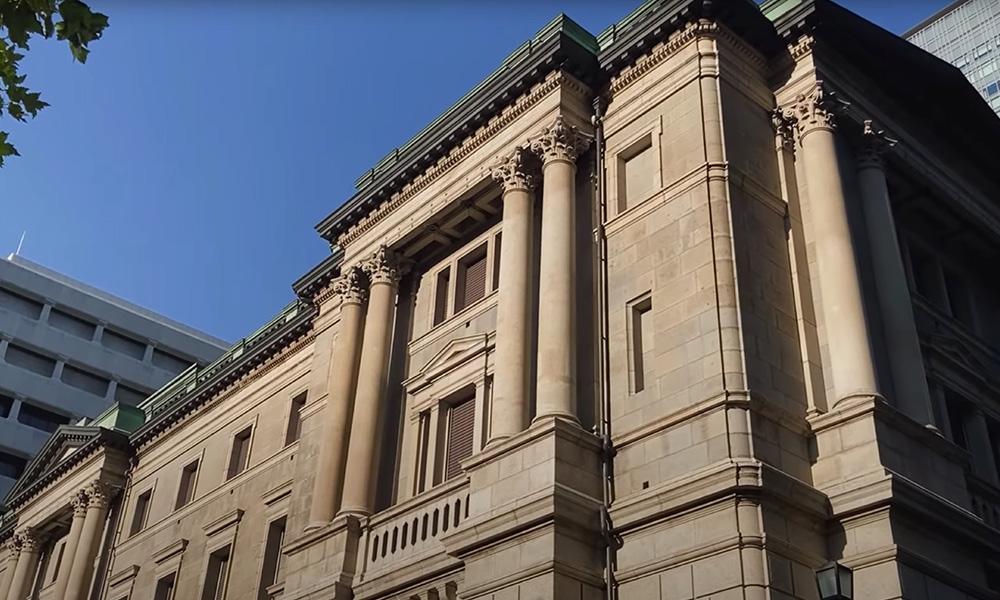
A December rate hike has become the mainstream expectation.
The yen has been under heavy selling pressure for most of this year, at times forcing intervention from Japanese authorities and the US Treasury. Now that the yen has entered a relatively stable phase, it presents favorable conditions for a December interest rate hike. The survey, conducted from October 13th to 19th, found that 54 out of 78 economists surveyed (nearly 70%) expect the Bank of Japan to raise its policy rate to 1.5% this quarter, almost double the percentage in the previous survey. Of the 54 respondents who specifically predicted a rate hike, about 80% chose December, while only 2% bet that the Bank of Japan would act at its next two-day policy meeting ending on October 30th. Junko Koeda, a member of the Bank of Japan's Policy Board, stated publicly last week that given the significant upside risks to inflation, the central bank should not be overly cautious with interest rates already at a 31-year high. Kazutaka Maeda, a senior economist at Meiji Yasuda Research Institute, said that given the high probability of interest rate hikes in the US and Europe before the end of the year, there is a risk that the selling pressure on the yen could accelerate if the Bank of Japan postpones its action until the new year.Inflation risks and reasons for not raising interest rates
Despite growing calls for interest rate hikes, not all voices support a series of increases. Takeshi Minami, chief economist at the Norinchukin Bank Research Institute, stated that the current economic overheating is insufficient to support consecutive rate hikes, and price trends are within the Bank of Japan's expected range. Other sources revealed that many Bank of Japan officials prefer to assess the impact of previous rate hikes on the financial environment before deciding on their next move. In other words, holding rates steady this month and taking action in December remains the policy path favored by most officials.Where will interest rates go next year?
Looking ahead to next year, among the 65 analysts surveyed, 39 (60%) expect the policy rate to reach 1.75% by the end of June, a median figure roughly unchanged from the September survey. Of the 41 respondents asked about the final interest rate level, nearly half believe 1.75% will be the endpoint of this round of rate hikes. However, the proportion expecting rates to reach 2.00% or higher has further climbed from 40% in September and 36% in August to 51%, indicating that market expectations for the end of the rate hike cycle are gradually shifting upwards.Political games affect the yen
In the September decision to raise interest rates to 1.25%, two committee members nominated by Prime Minister Sanae Takaichi and advocating for loose fiscal policy voted against it. Traders interpreted this dissent as a signal that the Bank of Japan's rate hike plan might continue to face resistance from the Takaichi administration, causing the yen to weaken. Currently, the yen has only appreciated by about 4% from its year-to-date low of approximately 164 yen to the US dollar in 2026. Of the 32 respondents, 23 (nearly three-quarters) indicated that another dissenting vote in the next rate hike could further pressure the yen. Kei Fujimoto, senior economist at Sumitomo Mitsui Trust Asset Management, added that if the dissenting votes were cast by members appointed by the Takaichi administration, the market might interpret it as the government attempting to curb rate hikes, leading to concerns that future policy tightening might lag behind the times.The scale of government bond issuance becomes a fiscal focus
Japanese government bond yields have recently risen amid global market turmoil, pricing in further interest rate hikes by the Bank of Japan and the potential for Tokyo's large-scale spending and tax cut plans to worsen its already strained fiscal situation. Sanae Takaichi has stated that the government plans to keep new government bond issuance in fiscal year 2027 to around 40 trillion yen (approximately US$251 billion), and she reiterated on Monday that Tokyo will "appropriately" control the scale of debt issuance. Of the 23 economists surveyed, 15 (nearly two-thirds) believe that new government bond issuance will be kept below 40 trillion yen. Junya Takemoto, senior economist at Sumitomo Mitsui Banking Corporation, stated that the government may be inclined to expand government bond issuance to raise funds for growth investments, but as it becomes increasingly sensitive to rising market interest rates, it may control issuance through a comprehensive review of existing subsidy and fund budgets to prevent the scale of government bond issuance from significantly deviating from historical levels.Conclusion
In summary, a December rate hike by the Bank of Japan has become the mainstream market expectation, opening up room for the central interest rate to rise towards 1.75% or even 2%. However, inflation resilience, political intervention by the municipal government, and fiscal constraints related to national debt will all constrain the pace of rate hikes. How the yen's exchange rate and policy divergences evolve will be key variables determining how far Japan's tightening path can go.- Risk Warning and Disclaimer
- The market involves risk, and trading may not be suitable for all investors. This article is for reference only and does not constitute personal investment advice, nor does it take into account certain users’ specific investment objectives, financial situation, or other needs. Any investment decisions made based on this information are at your own risk.