Confrontation or capitulation? The final battle between Trump and Powell begins.
2026-01-12 19:40:33
Federal Reserve Chairman Jerome Powell confirmed that he was under criminal investigation by the Trump administration and immediately issued a strong statement refusing to compromise with political pressure, publicly condemning the action as "political intimidation" that interfered with monetary policy. Market concerns about the Fed's policy independence continued to escalate, directly triggering a chain reaction in the foreign exchange, stock, and commodity markets.
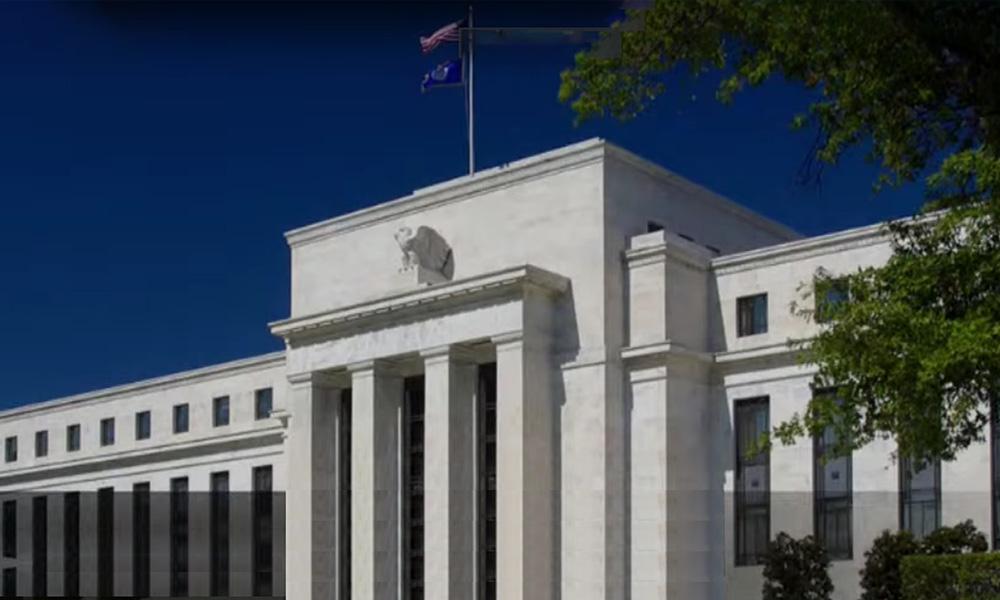
The core focus of this investigation is the $2.5 billion renovation project of the two buildings at the Federal Reserve headquarters in Washington.
Buildings that caught Trump's attention include the Eccles Building and 1951 Constitution Avenue—the former, built between 1935 and 1937, is the headquarters of the Federal Reserve.
The latter was completed in 1932 and was originally built for the U.S. Public Health Service. During World War II, it served as the office of the Joint Chiefs of Staff. In 2018, it was transferred to the Federal Reserve during the first term of the Trump administration. Its core objectives are to revitalize idle assets, integrate leasing business, and save costs for taxpayers. The building has also been included in the National Register of Historic Places.
Regarding the controversies surrounding the renovation project, Powell stated bluntly that the various criticisms are essentially "political pretexts" to undermine the central bank's independence.
In a rare video statement, he emphasized that the core incentive for the threat of criminal charges is that the Federal Reserve consistently sets interest rates based on economic fundamentals and the public interest, rather than succumbing to the president's personal policy preferences.
Powell further stated that "the core disagreement at present is whether the Federal Reserve can continue to set interest rates independently based on economic data, or whether monetary policy will become a mere appendage of political pressure, which is directly related to the pricing logic of global financial markets."
Throughout his tenure, he has consistently set aside political biases and upheld a professional stance. His sole objective has been to fulfill the dual legal mandate of stabilizing prices and ensuring full employment. These remarks are intended to stabilize market expectations regarding policy continuity.
The conflict between Trump and Powell has a long history. Trump has threatened to fire Powell on multiple occasions for refusing to accelerate the pace of interest rate cuts. In August, Trump also ordered the removal of Federal Reserve Governor Lisa Cook and pushed for legal proceedings to force her to leave office. These actions have continuously eroded the market's trust in the independence of the Federal Reserve.
The fact that the actual expenditure on the Federal Reserve headquarters renovation project exceeded the initial budget became a key point of attack for Trump and his allies against Powell. In July of this year, Bill Pulte, the Federal Housing Finance Agency appointed by Trump, publicly called on Congress to investigate Powell, accusing him of "political bias" and "fraud" in his testimony related to the project, further putting political pressure on the Federal Reserve.
Following the announcement of the investigation into Powell, global financial markets immediately reacted with risk aversion: US stock index futures weakened in tandem, with the futures of the three major US stock indices all falling during the Asian and European sessions, with declines ranging from 0.6% to 0.8%; the US dollar index came under pressure and fell by about 0.4%, while non-US currencies and safe-haven assets such as gold received short-term support. This trend fully reflects the market's tendency to avoid policy uncertainty.
It should be clarified that this renovation project does not include any so-called luxury features.
Both buildings had not undergone systematic renovation for nearly a century. The core of the project focuses on infrastructure upgrades, including replacing aging pipes, electrical, heating and water systems, and upgrading accessibility facilities. One building requires the addition of a basement, and the other needs to be expanded to accommodate staff scattered in external rental offices.
The Federal Reserve has made it clear that the renovation plan does not include a dedicated boardroom elevator or a VIP restaurant, and the water feature element in the original design of the 1951 Constitution Avenue building has been removed. The "garden terrace" mentioned in the planning documents is actually a lawn in front of the ground that also serves as the roof of the underground parking garage. The "vegetated roof" is for optimizing rainwater drainage and improving the building's energy efficiency. These are all functional configurations and not the "roof terrace garden" that Wought claims.
From the perspective of project supervision mechanisms, according to US law, the Federal Reserve has the autonomy to make decisions on capital account expenditures, which is an important foundation for ensuring the independent operation of the central bank.
The Federal Reserve's Office of the Inspector General receives monthly progress reports on the project. The first round of special reviews was completed in 2021, and a new round of compliance review is currently underway.
During the project design and development phase, opinions were also solicited from multiple professional institutions, including the Fine Arts Committee and the National Capital Planning Committee. In order to control costs, the original plan was not substantially optimized, and the necessity of the project was always balanced.
Powell's future remains uncertain. While his term as Federal Reserve Chairman will end in May of this year, his term as a member of the Federal Reserve Board of Governors will not expire until January 2028. This difference in terms of terms adds uncertainty to the direction of future policies.
Marc Spindall, chief investment officer at Potomac River Capital, analyzed that pressure from the Trump administration may prompt Powell to change his departure plans and choose to remain on the board of governors to defend the central bank's independence.
The nomination process for the Federal Reserve Chair has become the next focus of market attention, with potential changes in the Fed Chair's personnel.
Trump has stated explicitly that "anyone who disagrees with me is not fit to be the head of the central bank," and the market expects him to nominate a successor within weeks, with Kevin Hassett, chairman of the National Economic Council who has been pushing for significant interest rate cuts, considered a leading candidate.
If Hassett takes office, it is expected to push the Federal Reserve into a more accommodative policy cycle, which will directly benefit assets such as gold and non-US currencies.
However, Senate Banking Committee member Thom Tillis, a Republican, has stated that he will oppose any nomination for a successor to Powell as Federal Reserve Chairman until the legal cases related to Powell are settled. Democrat Elizabeth Warren has also publicly accused Trump of plotting a "corrupt takeover" of the Federal Reserve, emphasizing that the Senate must not proceed with any such nomination, as it directly relates to the stability of the global financial markets.
The investigation was sparked by the $2.5 billion Federal Reserve building renovation project.
The core focus of this investigation is the $2.5 billion renovation project of the two buildings at the Federal Reserve headquarters in Washington.
Buildings that caught Trump's attention include the Eccles Building and 1951 Constitution Avenue—the former, built between 1935 and 1937, is the headquarters of the Federal Reserve.
The latter was completed in 1932 and was originally built for the U.S. Public Health Service. During World War II, it served as the office of the Joint Chiefs of Staff. In 2018, it was transferred to the Federal Reserve during the first term of the Trump administration. Its core objectives are to revitalize idle assets, integrate leasing business, and save costs for taxpayers. The building has also been included in the National Register of Historic Places.
Powell stated that the investigation was a "political pretext" and that he would uphold policy independence.
Regarding the controversies surrounding the renovation project, Powell stated bluntly that the various criticisms are essentially "political pretexts" to undermine the central bank's independence.
In a rare video statement, he emphasized that the core incentive for the threat of criminal charges is that the Federal Reserve consistently sets interest rates based on economic fundamentals and the public interest, rather than succumbing to the president's personal policy preferences.
Powell further stated that "the core disagreement at present is whether the Federal Reserve can continue to set interest rates independently based on economic data, or whether monetary policy will become a mere appendage of political pressure, which is directly related to the pricing logic of global financial markets."
Throughout his tenure, he has consistently set aside political biases and upheld a professional stance. His sole objective has been to fulfill the dual legal mandate of stabilizing prices and ensuring full employment. These remarks are intended to stabilize market expectations regarding policy continuity.
Historical Context: Escalating Policy Divergence, Trump Continues to Pressure the Federal Reserve
The conflict between Trump and Powell has a long history. Trump has threatened to fire Powell on multiple occasions for refusing to accelerate the pace of interest rate cuts. In August, Trump also ordered the removal of Federal Reserve Governor Lisa Cook and pushed for legal proceedings to force her to leave office. These actions have continuously eroded the market's trust in the independence of the Federal Reserve.
The fact that the actual expenditure on the Federal Reserve headquarters renovation project exceeded the initial budget became a key point of attack for Trump and his allies against Powell. In July of this year, Bill Pulte, the Federal Housing Finance Agency appointed by Trump, publicly called on Congress to investigate Powell, accusing him of "political bias" and "fraud" in his testimony related to the project, further putting political pressure on the Federal Reserve.
Market's immediate reaction: Risk aversion intensifies, asset prices fluctuate.
Following the announcement of the investigation into Powell, global financial markets immediately reacted with risk aversion: US stock index futures weakened in tandem, with the futures of the three major US stock indices all falling during the Asian and European sessions, with declines ranging from 0.6% to 0.8%; the US dollar index came under pressure and fell by about 0.4%, while non-US currencies and safe-haven assets such as gold received short-term support. This trend fully reflects the market's tendency to avoid policy uncertainty.
The truth about the project: No luxurious features, just a functional renovation.
It should be clarified that this renovation project does not include any so-called luxury features.
Both buildings had not undergone systematic renovation for nearly a century. The core of the project focuses on infrastructure upgrades, including replacing aging pipes, electrical, heating and water systems, and upgrading accessibility facilities. One building requires the addition of a basement, and the other needs to be expanded to accommodate staff scattered in external rental offices.
The Federal Reserve has made it clear that the renovation plan does not include a dedicated boardroom elevator or a VIP restaurant, and the water feature element in the original design of the 1951 Constitution Avenue building has been removed. The "garden terrace" mentioned in the planning documents is actually a lawn in front of the ground that also serves as the roof of the underground parking garage. The "vegetated roof" is for optimizing rainwater drainage and improving the building's energy efficiency. These are all functional configurations and not the "roof terrace garden" that Wought claims.
Institutional safeguards: Project oversight is compliant, and the law grants the Federal Reserve autonomy in decision-making.
From the perspective of project supervision mechanisms, according to US law, the Federal Reserve has the autonomy to make decisions on capital account expenditures, which is an important foundation for ensuring the independent operation of the central bank.
The Federal Reserve's Office of the Inspector General receives monthly progress reports on the project. The first round of special reviews was completed in 2021, and a new round of compliance review is currently underway.
During the project design and development phase, opinions were also solicited from multiple professional institutions, including the Fine Arts Committee and the National Capital Planning Committee. In order to control costs, the original plan was not substantially optimized, and the necessity of the project was always balanced.
The remaining questions surrounding the tenure and nomination process are keeping the market on edge.
Powell's future remains uncertain. While his term as Federal Reserve Chairman will end in May of this year, his term as a member of the Federal Reserve Board of Governors will not expire until January 2028. This difference in terms of terms adds uncertainty to the direction of future policies.
Marc Spindall, chief investment officer at Potomac River Capital, analyzed that pressure from the Trump administration may prompt Powell to change his departure plans and choose to remain on the board of governors to defend the central bank's independence.
The nomination process for the Federal Reserve Chair has become the next focus of market attention, with potential changes in the Fed Chair's personnel.
Trump has stated explicitly that "anyone who disagrees with me is not fit to be the head of the central bank," and the market expects him to nominate a successor within weeks, with Kevin Hassett, chairman of the National Economic Council who has been pushing for significant interest rate cuts, considered a leading candidate.
If Hassett takes office, it is expected to push the Federal Reserve into a more accommodative policy cycle, which will directly benefit assets such as gold and non-US currencies.
However, Senate Banking Committee member Thom Tillis, a Republican, has stated that he will oppose any nomination for a successor to Powell as Federal Reserve Chairman until the legal cases related to Powell are settled. Democrat Elizabeth Warren has also publicly accused Trump of plotting a "corrupt takeover" of the Federal Reserve, emphasizing that the Senate must not proceed with any such nomination, as it directly relates to the stability of the global financial markets.
- Risk Warning and Disclaimer
- The market involves risk, and trading may not be suitable for all investors. This article is for reference only and does not constitute personal investment advice, nor does it take into account certain users’ specific investment objectives, financial situation, or other needs. Any investment decisions made based on this information are at your own risk.