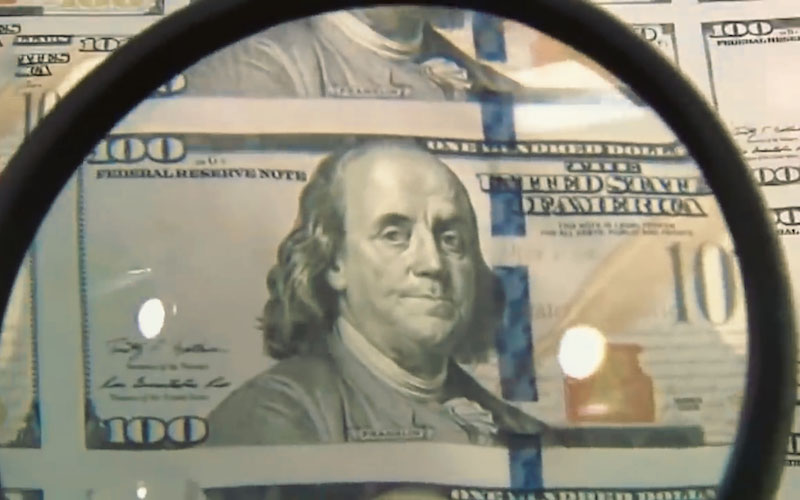
The Federal Reserve's "wait-and-see" stance has solidified, and the dollar remains at a six-week high. Next week, the market will focus on the Davos Forum.
2026-01-17 06:37:34
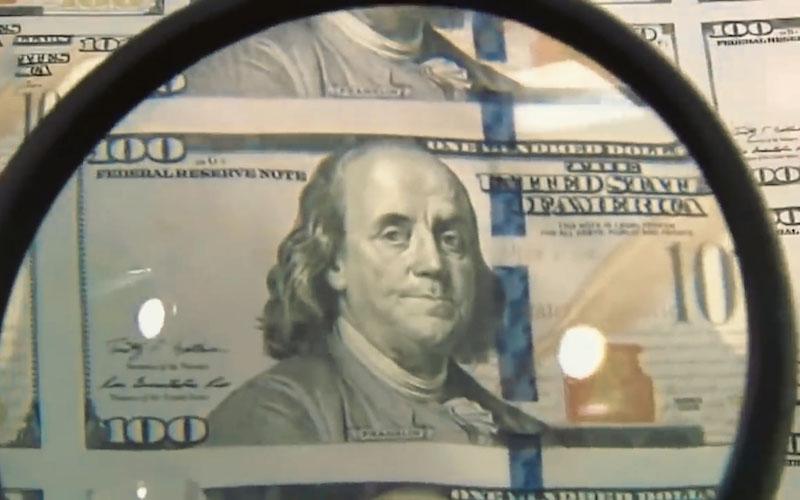
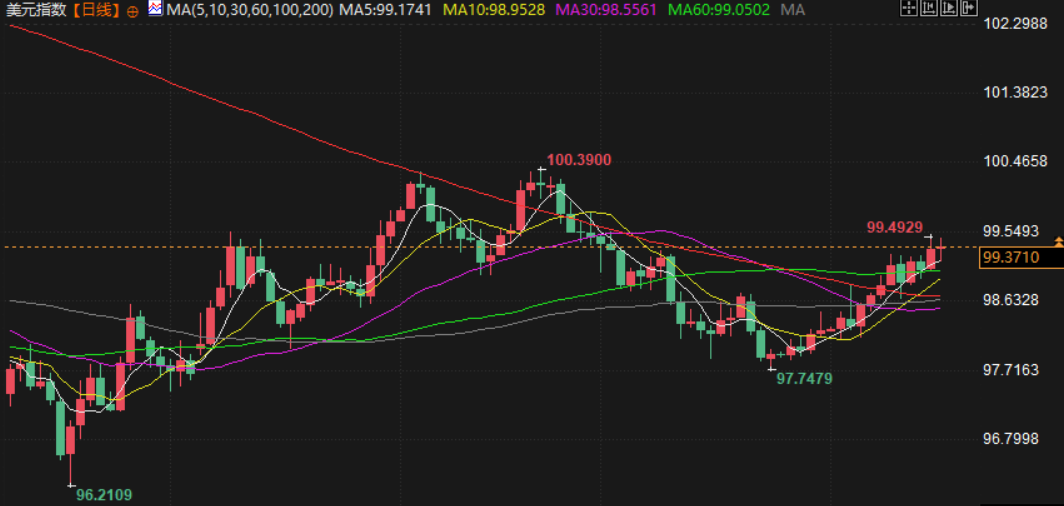
The dollar index rose slightly to 99.41 on Friday, near a six-week high, supported by recent solid U.S. jobs data and pushing market expectations for further interest rate cuts by the Federal Reserve back to June. However, Fed official Bowman stated on the same day that the job market could weaken rapidly, and policymakers should be prepared to cut rates again if necessary.
Federal Reserve Vice Chairman Philip Jefferson said on Friday that the current monetary policy stance is "in a good position," suggesting the Fed may keep interest rates unchanged at its meeting at the end of January. This was Jefferson's first public statement on monetary policy since November, and he expressed "cautious optimism" about the economy, labor market, and inflation this year.
In his speech, Jefferson pointed out that the interest rate cut in December was the right move to balance the upside risks to inflation and the downside risks to the labor market, and that this policy has put the economy in a good position. He expects the economic growth rate this year to be around 2%, the unemployment rate to remain stable, and inflation, while facing upside risks, to continue to decline toward the 2% target. He also stated that the impact of tariffs on inflation is likely to be one-off, especially if inflation expectations remain stable.
Financial markets currently estimate only a 5% chance of a Federal Reserve rate cut this month. Jefferson's remarks echoed the wording of the Fed's December meeting statement and were widely interpreted by the market as indicating that the Fed will maintain stable interest rates for some time.
Meanwhile, market expectations for former White House economic advisor Kevin Hassett to be nominated as the new Federal Reserve chairman have declined. This followed President Trump's praise of Hassett at a public event and his hints that he hoped Hassett would remain in his current position, sparking speculation.
Analysts pointed out that this news boosted the dollar because, among the main candidates, Hassett was considered the least independent and most dovish. The market expects Trump to announce his nominee for Federal Reserve Chair in the coming weeks.
The yen strengthened on Friday, rising to 158.16 against the dollar, after Japan's finance minister warned that Tokyo would not rule out any options to address the yen's weakness, including coordinated intervention in the foreign exchange market with the United States. Market analysts believe that the downward pressure on the yen is related to market expectations that Japanese Prime Minister Sanae Takaichi may call an early election and implement expansionary fiscal policies.
Strategists point out that the likelihood of Japanese authorities intervening in the foreign exchange market will increase significantly when the USD/JPY exchange rate rises to the 160-162 range. Furthermore, due to the yen's depreciation exacerbating inflationary pressures, some Bank of Japan policymakers believe that an interest rate hike may occur sooner than the market expects, and the probability of a rate hike in April is rising. The Bank of Japan just raised its interest rate to a 30-year high of 0.75% last December and is expected to keep the rate unchanged at its policy meeting ending on January 23, but internal discussions indicate there is still room for further rate hikes.
While analysts surveyed generally expect the next rate hike to occur in July, some Bank of Japan officials are not ruling out the possibility of acting sooner, provided there is sufficient evidence to suggest that inflation can sustainably reach the 2% target. The yen's sharp depreciation since October has pushed up import costs and could lead to broader price increases, a concern that has increasingly drawn the central bank's attention.
The Bank of Japan is likely to raise its economic growth and inflation forecasts for fiscal year 2026 at its policy meeting next week. The BOJ governor has called for caution, but some board members lean towards a more hawkish stance, emphasizing the need to remain vigilant about inflation risks. The April 27-28 meeting is considered a key juncture, as the results of wage negotiations and corporate surveys will provide further policy clues.
Analysts point out that if the Bank of Japan decides to raise interest rates sooner than expected, the release of its quarterly outlook report in April would be a realistic timeframe. The continued weakness of the yen and inflationary pressures may force the central bank to act sooner than anticipated.
The euro fell against the dollar on Friday, hitting a one-and-a-half-month low of 1.1584, as analysts at Pantheon Macroeconomics, including Claus Vistesen, suggested that January inflation data from Germany and the eurozone may have fueled market expectations of a European Central Bank interest rate cut. Official data released on Friday showed that Germany's consumer price index rose 1.8% year-on-year in December, down from 2.3% in November, in line with preliminary estimates.
Vistesen points out that energy prices fell due to a one-off tax cut, laying the foundation for inflation trends in 2026. He expects core inflation to also decline, but food and alcohol price inflation may rebound due to a low base from the same period last year. Pantheon predicts that Germany's inflation rate will further decline to 1.5% in January.
However, European Central Bank Chief Economist Philip Lane recently stated that as long as the economic situation remains on its current trajectory, no interest rate adjustments will be discussed in the short term, noting that current interest rate levels have set a benchmark for the next few years. He anticipates a cyclical growth recovery in the Eurozone this year and next, but its long-term potential growth rate remains low, requiring deeper structural reforms to achieve higher growth rates.
Lane also warned that new major external shocks, such as the Federal Reserve deviating from its dual mandate of stabilizing prices and maximizing employment, or US inflation failing to subside leading to financial spillovers and a rise in global term premiums, could pose difficulties for the Eurozone economy. He emphasized that a reassessment of the future role of the dollar could also pose a financial shock to the euro. However, Lane expressed overall confidence in the Fed's policy and, based on the European Central Bank's December forecast, pointed out that Eurozone inflation is likely to remain stable near the 2% target level.
The market currently expects the European Central Bank to keep its deposit rate unchanged at 2% this year. Lane stated that the central bank will react if the situation develops in any direction.
Next week, financial markets will focus on the Davos Forum in Switzerland from January 19 to 23, which will be attended by world leaders, central bank governors, billionaires, and technology company leaders.
Sources revealed on Wednesday that U.S. Treasury Secretary Scott Bessant, Commerce Secretary Howard Lutnick, and Energy Secretary Chris Wright will accompany President Trump to the World Economic Forum Annual Meeting in Davos, Switzerland. Additionally, U.S. Trade Representative Jameson Greer and Special Envoy for the Middle East Steve Witkov are also among the delegation members scheduled to travel with him.
Trump will personally attend the Davos Forum this year. Last year, he addressed the forum via video on the fourth day after returning to the White House to begin his second term.
Trump said on Wednesday on his social media platform Truth Social that he plans to outline new housing and affordability policy recommendations in his speech at Davos. Last year at the forum, he called on OPEC to lower oil prices, urged interest rate cuts, and warned global business and political leaders that products manufactured outside the United States would face tariffs.
Federal Reserve Vice Chairman Philip Jefferson said on Friday that the current monetary policy stance is "in a good position," suggesting the Fed may keep interest rates unchanged at its meeting at the end of January. This was Jefferson's first public statement on monetary policy since November, and he expressed "cautious optimism" about the economy, labor market, and inflation this year.
In his speech, Jefferson pointed out that the interest rate cut in December was the right move to balance the upside risks to inflation and the downside risks to the labor market, and that this policy has put the economy in a good position. He expects the economic growth rate this year to be around 2%, the unemployment rate to remain stable, and inflation, while facing upside risks, to continue to decline toward the 2% target. He also stated that the impact of tariffs on inflation is likely to be one-off, especially if inflation expectations remain stable.
Financial markets currently estimate only a 5% chance of a Federal Reserve rate cut this month. Jefferson's remarks echoed the wording of the Fed's December meeting statement and were widely interpreted by the market as indicating that the Fed will maintain stable interest rates for some time.
Meanwhile, market expectations for former White House economic advisor Kevin Hassett to be nominated as the new Federal Reserve chairman have declined. This followed President Trump's praise of Hassett at a public event and his hints that he hoped Hassett would remain in his current position, sparking speculation.
Analysts pointed out that this news boosted the dollar because, among the main candidates, Hassett was considered the least independent and most dovish. The market expects Trump to announce his nominee for Federal Reserve Chair in the coming weeks.
The yen strengthened on Friday, rising to 158.16 against the dollar, after Japan's finance minister warned that Tokyo would not rule out any options to address the yen's weakness, including coordinated intervention in the foreign exchange market with the United States. Market analysts believe that the downward pressure on the yen is related to market expectations that Japanese Prime Minister Sanae Takaichi may call an early election and implement expansionary fiscal policies.
Strategists point out that the likelihood of Japanese authorities intervening in the foreign exchange market will increase significantly when the USD/JPY exchange rate rises to the 160-162 range. Furthermore, due to the yen's depreciation exacerbating inflationary pressures, some Bank of Japan policymakers believe that an interest rate hike may occur sooner than the market expects, and the probability of a rate hike in April is rising. The Bank of Japan just raised its interest rate to a 30-year high of 0.75% last December and is expected to keep the rate unchanged at its policy meeting ending on January 23, but internal discussions indicate there is still room for further rate hikes.
While analysts surveyed generally expect the next rate hike to occur in July, some Bank of Japan officials are not ruling out the possibility of acting sooner, provided there is sufficient evidence to suggest that inflation can sustainably reach the 2% target. The yen's sharp depreciation since October has pushed up import costs and could lead to broader price increases, a concern that has increasingly drawn the central bank's attention.
The Bank of Japan is likely to raise its economic growth and inflation forecasts for fiscal year 2026 at its policy meeting next week. The BOJ governor has called for caution, but some board members lean towards a more hawkish stance, emphasizing the need to remain vigilant about inflation risks. The April 27-28 meeting is considered a key juncture, as the results of wage negotiations and corporate surveys will provide further policy clues.
Analysts point out that if the Bank of Japan decides to raise interest rates sooner than expected, the release of its quarterly outlook report in April would be a realistic timeframe. The continued weakness of the yen and inflationary pressures may force the central bank to act sooner than anticipated.
The euro fell against the dollar on Friday, hitting a one-and-a-half-month low of 1.1584, as analysts at Pantheon Macroeconomics, including Claus Vistesen, suggested that January inflation data from Germany and the eurozone may have fueled market expectations of a European Central Bank interest rate cut. Official data released on Friday showed that Germany's consumer price index rose 1.8% year-on-year in December, down from 2.3% in November, in line with preliminary estimates.
Vistesen points out that energy prices fell due to a one-off tax cut, laying the foundation for inflation trends in 2026. He expects core inflation to also decline, but food and alcohol price inflation may rebound due to a low base from the same period last year. Pantheon predicts that Germany's inflation rate will further decline to 1.5% in January.
However, European Central Bank Chief Economist Philip Lane recently stated that as long as the economic situation remains on its current trajectory, no interest rate adjustments will be discussed in the short term, noting that current interest rate levels have set a benchmark for the next few years. He anticipates a cyclical growth recovery in the Eurozone this year and next, but its long-term potential growth rate remains low, requiring deeper structural reforms to achieve higher growth rates.
Lane also warned that new major external shocks, such as the Federal Reserve deviating from its dual mandate of stabilizing prices and maximizing employment, or US inflation failing to subside leading to financial spillovers and a rise in global term premiums, could pose difficulties for the Eurozone economy. He emphasized that a reassessment of the future role of the dollar could also pose a financial shock to the euro. However, Lane expressed overall confidence in the Fed's policy and, based on the European Central Bank's December forecast, pointed out that Eurozone inflation is likely to remain stable near the 2% target level.
The market currently expects the European Central Bank to keep its deposit rate unchanged at 2% this year. Lane stated that the central bank will react if the situation develops in any direction.
Next week, financial markets will focus on the Davos Forum in Switzerland from January 19 to 23, which will be attended by world leaders, central bank governors, billionaires, and technology company leaders.
Sources revealed on Wednesday that U.S. Treasury Secretary Scott Bessant, Commerce Secretary Howard Lutnick, and Energy Secretary Chris Wright will accompany President Trump to the World Economic Forum Annual Meeting in Davos, Switzerland. Additionally, U.S. Trade Representative Jameson Greer and Special Envoy for the Middle East Steve Witkov are also among the delegation members scheduled to travel with him.
Trump will personally attend the Davos Forum this year. Last year, he addressed the forum via video on the fourth day after returning to the White House to begin his second term.
Trump said on Wednesday on his social media platform Truth Social that he plans to outline new housing and affordability policy recommendations in his speech at Davos. Last year at the forum, he called on OPEC to lower oil prices, urged interest rate cuts, and warned global business and political leaders that products manufactured outside the United States would face tariffs.
- Risk Warning and Disclaimer
- The market involves risk, and trading may not be suitable for all investors. This article is for reference only and does not constitute personal investment advice, nor does it take into account certain users’ specific investment objectives, financial situation, or other needs. Any investment decisions made based on this information are at your own risk.