Tonight's CPI scenario simulation
2026-02-13 18:09:41
Whenever important economic data is about to be released, investors always focus on the forecast range—for example, the US CPI (February 13th) is expected to fall between 2.3% and 2.8%. However, what truly determines the magnitude of the market reaction is not whether the data exceeds this range, but whether it deviates from "where most people are betting." Analysis shows that the current distribution of CPI year-on-year forecasts exhibits a clear concentration trend: the 2.5% level has a forecast share as high as 65%, and 2.4% has 24%, totaling nearly 90%. In contrast, 2.6% and above only account for 6%, and 2.3% also only 6%. This means that even if the final data is 2.4% or 2.3%, still within the forecast range, because it falls in the minority area, the market may still interpret it as a "dovish signal," thereby triggering rapid adjustments in interest rates and the US dollar.

The same logic applies to month-on-month data. In CPI month-on-month forecasts, 0.3% accounts for a high 64%, 0.2% for 24%, while 0.4% and 0.1% each account for only 6%. This indicates that the market's pricing core is firmly locked between 0.2% and 0.3%. If the result jumps to 0.1% or 0.4%, even without exceeding the overall forecast boundary, it will be treated as an "unexpected" event. This is because such deviations force traders to reassess the short-term interest rate path, thereby triggering a chain reaction in bond yields and the foreign exchange market.
While the overall CPI can be swayed by weather or oil prices, core CPI is the key indicator that truly reflects inflation stickiness and is the part the Federal Reserve focuses on most in its policy decisions. Current forecasts show core CPI year-on-year growth concentrated at 2.5% (67%), plus the 22% at 2.6%, totaling 89%. Although 2.5% is the mainstream consensus, the 2.6% to 2.7% range still carries significant weight, indicating market concerns about a rebound in inflation. In other words, this distribution is not symmetrical, but rather "thicker at the top"—meaning people are more psychologically prepared for a higher-than-expected reading than a lower one.
The situation is even more pronounced with the core CPI month-on-month change: 0.3% is the most popular choice (61%), but the forecast of 0.4% accounts for 22%, far higher than the 16% forecast for 0.2%. This indicates that although most people believe the increase will be moderate, a considerable number are already preparing for "slightly higher" inflation. Once the actual data reaches 0.4%, even if it is only 0.1 percentage points higher, it may be interpreted as evidence that inflationary pressures have not subsided, thereby fueling market skepticism about the number of future interest rate cuts. This psychological structure dictates that, even with data within the "range," a low-end figure can fuel expectations of easing, while a high-end figure could directly ignite tightening panic.
If the final data shows that the CPI year-on-year growth rate is around 2.5% and the month-on-month growth rate is close to 0.3%, while the core CPI year-on-year growth rate is 2.5% and the month-on-month growth rate is 0.3%, then this will be seen as a confirmation of existing pricing. In this scenario, bond market volatility may be limited, and the US dollar will not fluctuate significantly, with the overall market trend leaning towards "digesting the information and returning to calm." However, it should be noted that if the market has already over-bet on interest rate cuts (for example, pricing in more than two rounds of easing), then even if the data is moderate, it will be difficult to further push interest rates down, and instead, a "sell the news" reversal may occur.
However, if the data is significantly weaker, such as a core CPI year-on-year drop to 2.4% or a core CPI month-on-month drop to 0.2%, the situation is entirely different. Since these two levels represent only 8% and 16% of forecasts respectively, falling into low consensus zones, the market is highly likely to interpret them as an "unexpected cooling." Short-term Treasury yields could fall rapidly, the dollar would come under pressure, and precious metals like gold would receive support. However, if previous easing expectations have already been fully priced in, the downside potential may be limited, and the market will likely see more asset rotation than a one-sided trend.
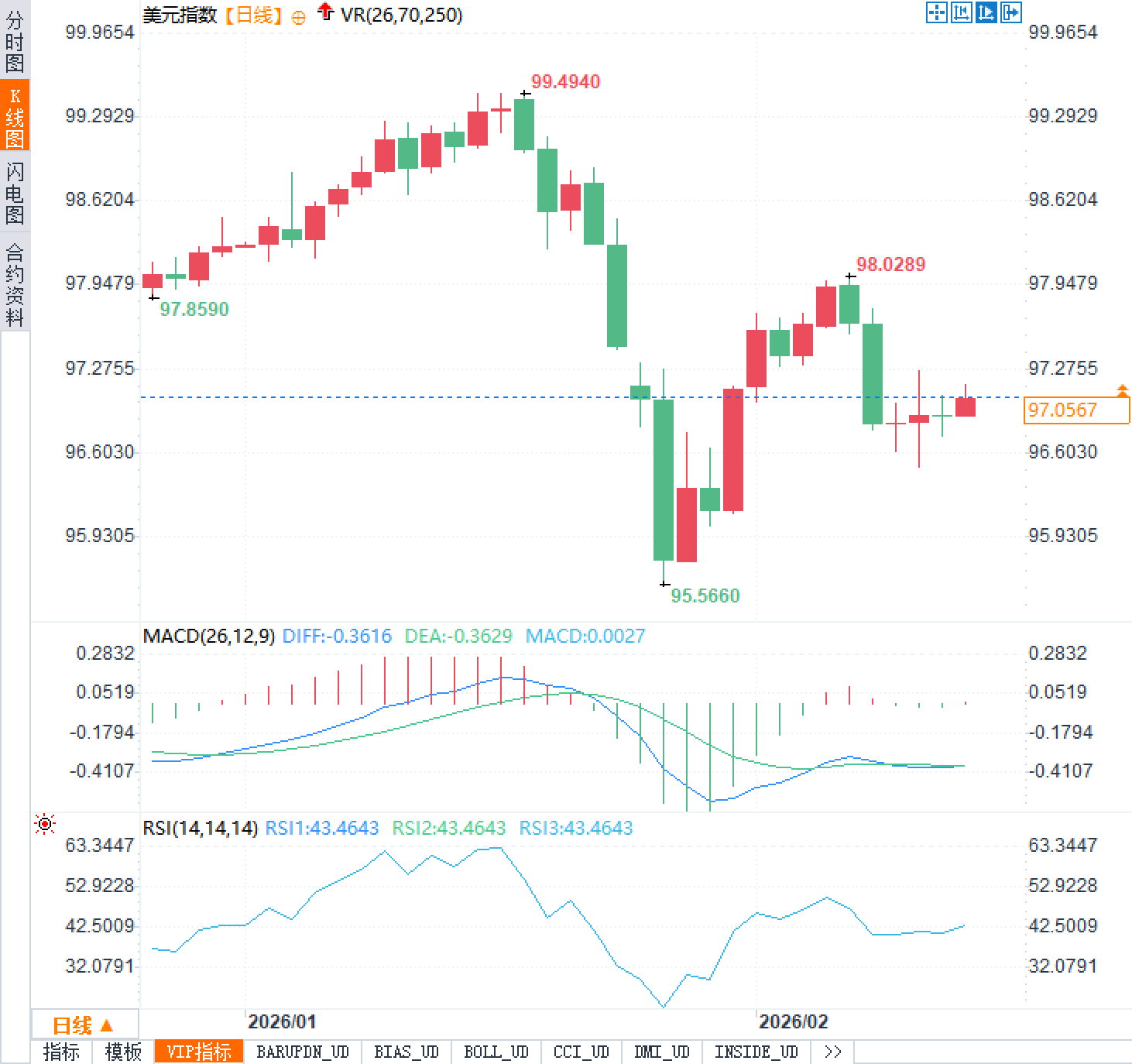
The most dangerous scenario is overheated data. If core CPI reaches 0.4% month-on-month, or rebounds to 2.6% or even 2.7% year-on-year, the already fragile expectations of interest rate cuts will face a severe challenge. Given that there is already a certain forecast base in this region (especially since 0.4% accounts for 22%), if this scenario materializes, it will be seen as the "worst-case scenario coming true," reinforcing the narrative of "stubborn inflation." At that time, short-term interest rates are likely to jump, the US dollar will strengthen across the board, and precious metals may face selling pressure. This reaction is not because the absolute value of the data is high, but because it strikes at the market's most sensitive nerve—the timetable for a policy shift has been delayed again.
Analysis indicates that understanding the impact of macroeconomic data requires more than just looking at "average expectations" or "forecast ranges"; it's crucial to grasp the underlying distribution patterns. This round of CPI indicators shows that while there is market consensus, tail risks have not been eliminated. Particularly regarding core inflation, the weighting of upward-moving forecasts is significantly higher than downward-moving ones, reflecting a cautious "better safe than sorry" mentality. This also means that for the same magnitude of exceeding expectations, the upward impact is often greater than the downward impact.
More importantly, the Federal Reserve itself is also monitoring multiple indicators. If wage growth slows and productivity improves, weakening the transmission of inflation through labor, then even if core CPI fluctuates slightly, as long as the overall trend continues to decline, the possibility of a policy shift remains. Therefore, every marginal change in core CPI becomes an opportunity for the market to recalibrate its interest rate path.
Ultimately, what determines price fluctuations is never the data itself, but the deviation between it and the collective market belief. When 65% of people bet on 2.5%, but the result happens to be 2.3% or 2.7%, the lights in the trading room will suddenly turn on—because the real market movement often begins in an unexpected moment.
The same logic applies to month-on-month data. In CPI month-on-month forecasts, 0.3% accounts for a high 64%, 0.2% for 24%, while 0.4% and 0.1% each account for only 6%. This indicates that the market's pricing core is firmly locked between 0.2% and 0.3%. If the result jumps to 0.1% or 0.4%, even without exceeding the overall forecast boundary, it will be treated as an "unexpected" event. This is because such deviations force traders to reassess the short-term interest rate path, thereby triggering a chain reaction in bond yields and the foreign exchange market.
Core CPI is the real "weathervane," and its distribution reveals market anxieties.
While the overall CPI can be swayed by weather or oil prices, core CPI is the key indicator that truly reflects inflation stickiness and is the part the Federal Reserve focuses on most in its policy decisions. Current forecasts show core CPI year-on-year growth concentrated at 2.5% (67%), plus the 22% at 2.6%, totaling 89%. Although 2.5% is the mainstream consensus, the 2.6% to 2.7% range still carries significant weight, indicating market concerns about a rebound in inflation. In other words, this distribution is not symmetrical, but rather "thicker at the top"—meaning people are more psychologically prepared for a higher-than-expected reading than a lower one.
The situation is even more pronounced with the core CPI month-on-month change: 0.3% is the most popular choice (61%), but the forecast of 0.4% accounts for 22%, far higher than the 16% forecast for 0.2%. This indicates that although most people believe the increase will be moderate, a considerable number are already preparing for "slightly higher" inflation. Once the actual data reaches 0.4%, even if it is only 0.1 percentage points higher, it may be interpreted as evidence that inflationary pressures have not subsided, thereby fueling market skepticism about the number of future interest rate cuts. This psychological structure dictates that, even with data within the "range," a low-end figure can fuel expectations of easing, while a high-end figure could directly ignite tightening panic.
Three scenarios, three fates: How do markets respond to different data combinations?
If the final data shows that the CPI year-on-year growth rate is around 2.5% and the month-on-month growth rate is close to 0.3%, while the core CPI year-on-year growth rate is 2.5% and the month-on-month growth rate is 0.3%, then this will be seen as a confirmation of existing pricing. In this scenario, bond market volatility may be limited, and the US dollar will not fluctuate significantly, with the overall market trend leaning towards "digesting the information and returning to calm." However, it should be noted that if the market has already over-bet on interest rate cuts (for example, pricing in more than two rounds of easing), then even if the data is moderate, it will be difficult to further push interest rates down, and instead, a "sell the news" reversal may occur.
However, if the data is significantly weaker, such as a core CPI year-on-year drop to 2.4% or a core CPI month-on-month drop to 0.2%, the situation is entirely different. Since these two levels represent only 8% and 16% of forecasts respectively, falling into low consensus zones, the market is highly likely to interpret them as an "unexpected cooling." Short-term Treasury yields could fall rapidly, the dollar would come under pressure, and precious metals like gold would receive support. However, if previous easing expectations have already been fully priced in, the downside potential may be limited, and the market will likely see more asset rotation than a one-sided trend.
The most dangerous scenario is overheated data. If core CPI reaches 0.4% month-on-month, or rebounds to 2.6% or even 2.7% year-on-year, the already fragile expectations of interest rate cuts will face a severe challenge. Given that there is already a certain forecast base in this region (especially since 0.4% accounts for 22%), if this scenario materializes, it will be seen as the "worst-case scenario coming true," reinforcing the narrative of "stubborn inflation." At that time, short-term interest rates are likely to jump, the US dollar will strengthen across the board, and precious metals may face selling pressure. This reaction is not because the absolute value of the data is high, but because it strikes at the market's most sensitive nerve—the timetable for a policy shift has been delayed again.
Beyond consensus lies the starting point of the storm: the game theory essence behind the data.
Analysis indicates that understanding the impact of macroeconomic data requires more than just looking at "average expectations" or "forecast ranges"; it's crucial to grasp the underlying distribution patterns. This round of CPI indicators shows that while there is market consensus, tail risks have not been eliminated. Particularly regarding core inflation, the weighting of upward-moving forecasts is significantly higher than downward-moving ones, reflecting a cautious "better safe than sorry" mentality. This also means that for the same magnitude of exceeding expectations, the upward impact is often greater than the downward impact.
More importantly, the Federal Reserve itself is also monitoring multiple indicators. If wage growth slows and productivity improves, weakening the transmission of inflation through labor, then even if core CPI fluctuates slightly, as long as the overall trend continues to decline, the possibility of a policy shift remains. Therefore, every marginal change in core CPI becomes an opportunity for the market to recalibrate its interest rate path.
Ultimately, what determines price fluctuations is never the data itself, but the deviation between it and the collective market belief. When 65% of people bet on 2.5%, but the result happens to be 2.3% or 2.7%, the lights in the trading room will suddenly turn on—because the real market movement often begins in an unexpected moment.
- Risk Warning and Disclaimer
- The market involves risk, and trading may not be suitable for all investors. This article is for reference only and does not constitute personal investment advice, nor does it take into account certain users’ specific investment objectives, financial situation, or other needs. Any investment decisions made based on this information are at your own risk.