The ultimate trump card behind the gold HALO trading frenzy
2026-03-02 20:28:08
On Monday (March 2), Iranian military sources reported that three British and American oil tankers were attacked in the Persian Gulf and the Strait of Hormuz, the US consulate in Erbil, Iraq was destroyed, and a US military base in Bahrain was also destroyed.
In 2026, geopolitical risks will continue to escalate, the trend of anti-globalization will intensify, the HALO investment style will be sought after, and the importance of gold as a strategic neutral reserve asset will be significantly enhanced.
Recently, US AI technology stocks have experienced a significant correction. Goldman Sachs' latest research report has proposed HALO (Heavy Assets Low Obsolescence) trading. HALO trading refers to finding hard assets with physical exemptions in turbulent times, which are heavy assets with low obsolescence and low risk of obsolescence.
Coincidentally, the current global geopolitical risks, resource nationalism, currency devaluation, and the logic of HALO all align perfectly. Increased gold demand and continuous central bank purchases all fit this background, and the fragmentation of the global metal inventory system exacerbates supply chain risks.
Fiscal-led policies have led to the continued exposure of debt problems in various countries, and currency devaluation has driven a shift in trading logic. Funds are increasingly favoring hard assets, becoming a structural trend and a new aesthetic for funds. Recent trading is a result of this shift, with investors gradually realizing the allocation value of gold in a long-term high-inflation environment.
Analysts predict that despite record high gold prices, its role as a neutral anchor in cross-border trade will become even more crucial in the context of the resetting of the international monetary system ("Bretton Woods III").
Against the backdrop of the macroeconomic environment at the beginning of 2026, a direct military conflict between the US and Iran will become the ultimate stress test and breaking point for the HALO trading logic.
This war was not only a geopolitical earthquake, but also a complete shattering of the illusion of "light assets, virtualization, and globalization" worldwide, forcing all capital to flee to physical entities and energy fortresses.
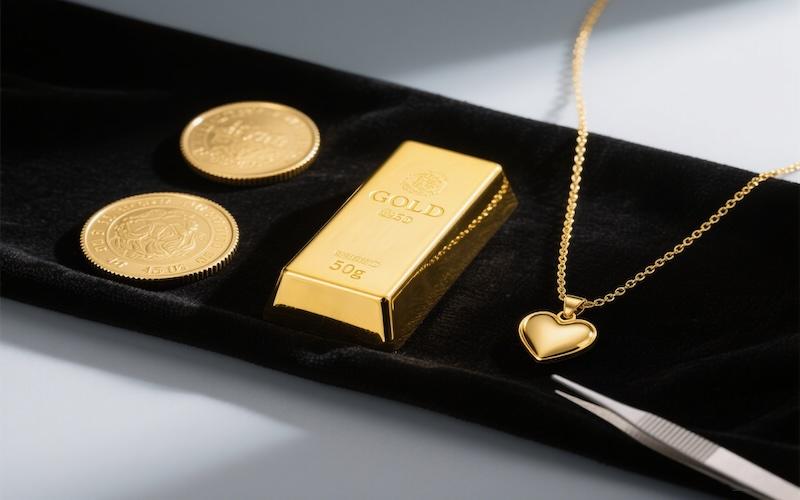
Gold represents the ultimate in "Low obsolescence (LO)" in the HALO concept.
Physical moat: AI can generate infinite code, and central banks can print infinite digital currency, but the physical reserves of gold are limited by geophysics.
This "highly costly, asset-heavy (HA)" characteristic makes it the ultimate defense against algorithmic inflation and currency devaluation.
Geopolitical "Honest Currency": As deglobalization leads to the "weaponization" of the dollar system, global central banks are increasing their holdings of physical gold, which is essentially a national-level HALO transaction.
They no longer trust digital debt and instead embrace physical credit that is "visible, tangible, and cannot be moved."
In 2026, despite the ongoing green energy transition, the HALO nature of oil in geopolitics will be strengthened.
Liquidity of heavy assets: Oil exploration, drilling, refining, and long-distance pipeline transportation are typical high capital expenditure (Capex) industries.
In the context of deglobalization, countries that control these "heavy asset infrastructures" control the global supply chain.
AI's "physical supply line": Investors realize that the power gap caused by the explosion of AI computing power will still require baseload electricity from fossil fuels in the short term.
Petroleum is not only an energy source, but also a fundamental raw material for chemical products. This "physical irreplaceability" ensures that it maintains a very low risk of becoming obsolete even in this era of rapid technological advancement.
Gold as a Geopolitical Tool
Resource-rich countries use gold, rare earth elements, uranium, copper, and silver as bargaining chips to enhance their pricing power, while mining stocks and commodity ETFs benefit from increased demand in the defense, technology, and energy sectors.
Deglobalization is accelerating the de-dollarization process, and gold, as a globally recognized neutral reserve asset, is becoming more effective at hedging against systemic risks and geopolitical uncertainties.
Analyst Paul Wong believes that even if the world is divided into multiple power blocs, gold may still maintain a single reference price because it is a "neutral value anchor" for cross-bloc trade.
The Shanghai gold premium may fluctuate, but an extreme divergence similar to the 30% price difference between LME and COMEX copper is unlikely to occur in the gold market.
Traditional transparent trading mechanisms such as the LME and CME have become ineffective due to tariff barriers and resource nationalism, hindering the free flow of metals.
The rise of resource nationalism has increased the risk of supply chain disruptions, but the specific impact path remains unclear.
Fiscal-led transactions and currency devaluation
Post-pandemic debt expansion policies have solidified the "fiscal-led" system, with central banks prioritizing debt sustainability over controlling inflation, leading to a rapid depreciation of the purchasing power of fiat currencies.
Investors' shift from fiat currency-denominated assets to hard assets such as gold has become a long-term trend, and is expected to accelerate in 2026.
While mainstream investors are aware of the depreciation trend, they are slow to adjust their portfolios. The surge in Japanese government bond yields and the collapse of the yen suggest that developed countries may follow in the footsteps of emerging markets.
Central bank gold purchases and price support
Central banks became net buyers of gold (such as China's sovereign purchases), while investment institutions were generally underweight, leading to a scarcity of sellers in the market. The summer correction in 2025 lasted only four months, after which gold prices surged from $3,500 to over $4,800.
The Russia-Ukraine war and the US freezing of Russia's foreign exchange reserves have strengthened central banks' demand for gold as a safe haven.
Geopolitical conflicts, trade wars, a steepening yield curve, and devaluation trades have combined to offset the downward pressure on gold prices, which has been offset by continued buying demand.
Policies actively boost inflation
The "high-temperature operation" policy (expansionary fiscal policy + loose monetary policy) has made inflation a tool for the government to absorb debt, rendering traditional anti-inflation measures ineffective.
The bond market has already priced in the expected surge in short-term issuance, which has led to liquidity pressures (such as the repurchase crisis in the fall of 2025), forcing the Federal Reserve to restart QE under the guise of "reserve management purchases".
Amidst currency bloc confrontations, gold is the only reserve asset universally recognized across different camps. Despite technical indicators suggesting overbought conditions, institutional allocation remains insufficient.
Analysts predict that the new round of international monetary system reset ("Bretton Woods III") will inevitably include gold, and its weight will be higher than that of the current system.
In short, recent developments, from AI narratives to asset-heavy sector allocations, from the US-Iran war to the interconnected geopolitical risks in the Middle East, all point to the same direction: excessive inflation and currency issuance, coupled with heightened risks, leading to a market preference for assets with low obsolescence and low risk of being phased out.
The crisis in 2026 is the ultimate stress test for HALO trading. It marks a paradigm shift for global investors from "chasing growth" to "defending against devaluation," with commodities such as gold and oil at the center of this physical world defense battle.
Technically, spot gold gapped up and broke through the middle line of the channel, and is currently retracing. Support is around 5320, and resistance is at 5450.
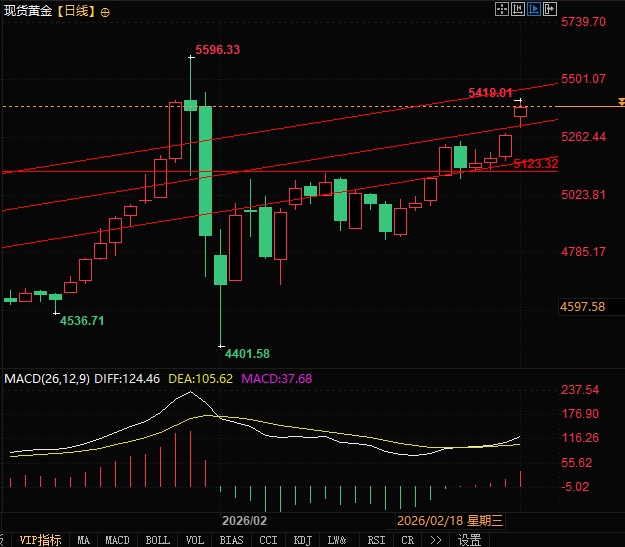
(Spot gold daily chart, source: FX678)
At 20:26 Beijing time, spot gold is currently trading at $4,392 per ounce.
In 2026, geopolitical risks will continue to escalate, the trend of anti-globalization will intensify, the HALO investment style will be sought after, and the importance of gold as a strategic neutral reserve asset will be significantly enhanced.
Recently, US AI technology stocks have experienced a significant correction. Goldman Sachs' latest research report has proposed HALO (Heavy Assets Low Obsolescence) trading. HALO trading refers to finding hard assets with physical exemptions in turbulent times, which are heavy assets with low obsolescence and low risk of obsolescence.
Coincidentally, the current global geopolitical risks, resource nationalism, currency devaluation, and the logic of HALO all align perfectly. Increased gold demand and continuous central bank purchases all fit this background, and the fragmentation of the global metal inventory system exacerbates supply chain risks.
Fiscal-led policies have led to the continued exposure of debt problems in various countries, and currency devaluation has driven a shift in trading logic. Funds are increasingly favoring hard assets, becoming a structural trend and a new aesthetic for funds. Recent trading is a result of this shift, with investors gradually realizing the allocation value of gold in a long-term high-inflation environment.
Analysts predict that despite record high gold prices, its role as a neutral anchor in cross-border trade will become even more crucial in the context of the resetting of the international monetary system ("Bretton Woods III").
Against the backdrop of the macroeconomic environment at the beginning of 2026, a direct military conflict between the US and Iran will become the ultimate stress test and breaking point for the HALO trading logic.
This war was not only a geopolitical earthquake, but also a complete shattering of the illusion of "light assets, virtualization, and globalization" worldwide, forcing all capital to flee to physical entities and energy fortresses.
Gold: The Zero-Obsolescence Asset in HALO Trading
Gold represents the ultimate in "Low obsolescence (LO)" in the HALO concept.
Physical moat: AI can generate infinite code, and central banks can print infinite digital currency, but the physical reserves of gold are limited by geophysics.
This "highly costly, asset-heavy (HA)" characteristic makes it the ultimate defense against algorithmic inflation and currency devaluation.
Geopolitical "Honest Currency": As deglobalization leads to the "weaponization" of the dollar system, global central banks are increasing their holdings of physical gold, which is essentially a national-level HALO transaction.
They no longer trust digital debt and instead embrace physical credit that is "visible, tangible, and cannot be moved."
Oil: The Heavy Energy Asset of the HALO System
In 2026, despite the ongoing green energy transition, the HALO nature of oil in geopolitics will be strengthened.
Liquidity of heavy assets: Oil exploration, drilling, refining, and long-distance pipeline transportation are typical high capital expenditure (Capex) industries.
In the context of deglobalization, countries that control these "heavy asset infrastructures" control the global supply chain.
AI's "physical supply line": Investors realize that the power gap caused by the explosion of AI computing power will still require baseload electricity from fossil fuels in the short term.
Petroleum is not only an energy source, but also a fundamental raw material for chemical products. This "physical irreplaceability" ensures that it maintains a very low risk of becoming obsolete even in this era of rapid technological advancement.
Traditional reasons for buying gold support the HALO trading logic
Gold as a Geopolitical Tool
Resource-rich countries use gold, rare earth elements, uranium, copper, and silver as bargaining chips to enhance their pricing power, while mining stocks and commodity ETFs benefit from increased demand in the defense, technology, and energy sectors.
Deglobalization is accelerating the de-dollarization process, and gold, as a globally recognized neutral reserve asset, is becoming more effective at hedging against systemic risks and geopolitical uncertainties.
Analyst Paul Wong believes that even if the world is divided into multiple power blocs, gold may still maintain a single reference price because it is a "neutral value anchor" for cross-bloc trade.
The Shanghai gold premium may fluctuate, but an extreme divergence similar to the 30% price difference between LME and COMEX copper is unlikely to occur in the gold market.
Traditional transparent trading mechanisms such as the LME and CME have become ineffective due to tariff barriers and resource nationalism, hindering the free flow of metals.
The rise of resource nationalism has increased the risk of supply chain disruptions, but the specific impact path remains unclear.
Fiscal-led transactions and currency devaluation
Post-pandemic debt expansion policies have solidified the "fiscal-led" system, with central banks prioritizing debt sustainability over controlling inflation, leading to a rapid depreciation of the purchasing power of fiat currencies.
Investors' shift from fiat currency-denominated assets to hard assets such as gold has become a long-term trend, and is expected to accelerate in 2026.
While mainstream investors are aware of the depreciation trend, they are slow to adjust their portfolios. The surge in Japanese government bond yields and the collapse of the yen suggest that developed countries may follow in the footsteps of emerging markets.
Central bank gold purchases and price support
Central banks became net buyers of gold (such as China's sovereign purchases), while investment institutions were generally underweight, leading to a scarcity of sellers in the market. The summer correction in 2025 lasted only four months, after which gold prices surged from $3,500 to over $4,800.
The Russia-Ukraine war and the US freezing of Russia's foreign exchange reserves have strengthened central banks' demand for gold as a safe haven.
Geopolitical conflicts, trade wars, a steepening yield curve, and devaluation trades have combined to offset the downward pressure on gold prices, which has been offset by continued buying demand.
Policies actively boost inflation
The "high-temperature operation" policy (expansionary fiscal policy + loose monetary policy) has made inflation a tool for the government to absorb debt, rendering traditional anti-inflation measures ineffective.
The bond market has already priced in the expected surge in short-term issuance, which has led to liquidity pressures (such as the repurchase crisis in the fall of 2025), forcing the Federal Reserve to restart QE under the guise of "reserve management purchases".
Amidst currency bloc confrontations, gold is the only reserve asset universally recognized across different camps. Despite technical indicators suggesting overbought conditions, institutional allocation remains insufficient.
Analysts predict that the new round of international monetary system reset ("Bretton Woods III") will inevitably include gold, and its weight will be higher than that of the current system.
Summary and Technical Analysis:
In short, recent developments, from AI narratives to asset-heavy sector allocations, from the US-Iran war to the interconnected geopolitical risks in the Middle East, all point to the same direction: excessive inflation and currency issuance, coupled with heightened risks, leading to a market preference for assets with low obsolescence and low risk of being phased out.
The crisis in 2026 is the ultimate stress test for HALO trading. It marks a paradigm shift for global investors from "chasing growth" to "defending against devaluation," with commodities such as gold and oil at the center of this physical world defense battle.
Technically, spot gold gapped up and broke through the middle line of the channel, and is currently retracing. Support is around 5320, and resistance is at 5450.
(Spot gold daily chart, source: FX678)
At 20:26 Beijing time, spot gold is currently trading at $4,392 per ounce.
- Risk Warning and Disclaimer
- The market involves risk, and trading may not be suitable for all investors. This article is for reference only and does not constitute personal investment advice, nor does it take into account certain users’ specific investment objectives, financial situation, or other needs. Any investment decisions made based on this information are at your own risk.