













WTI crude oil breaks through the $75 mark, with the Hormuz risk and a surge in API inventories creating a battle between bulls and bears.
2026-03-04 09:27:25
According to APP, West Texas Intermediate (WTI) crude oil rose to around $75.50 per barrel in Asian trading on Wednesday, reaching its highest level since June 2025, influenced by the escalating situation in the Middle East. This rise was not driven by traditional demand recovery, but rather by a typical geopolitical risk premium .
I. Supply risk becomes the core driving force
As conflicts escalate between Iran and Israel, and the United States, markets are concerned about disruptions to shipping through the Strait of Hormuz, a strategic energy corridor. This strait handles approximately one-fifth of global crude oil shipments and is a vital lifeline for energy imports between Asia and Europe. Continued shipping restrictions would create structural tensions in the global spot market.
US President Trump recently stated, "The US Navy will ensure the safety of shipping in the Gulf and will provide escort support for merchant ships if necessary." While this statement alleviated market panic to some extent, it also indirectly confirmed the severity of the current situation. Driven by geopolitical risks, the risk premium in the crude oil market quickly returned to normal.

II. Inventory data forms a fundamental hedging mechanism
While geopolitical risks are escalating, US inventory data is sending a relatively loose signal. According to the latest weekly report from the American Petroleum Institute (API), for the week ending February 27: Crude oil inventories increased by approximately 5.6 million barrels, compared to an increase of 11.4 million barrels the previous week, with market expectations of an increase of 2.19 million barrels. The significant increase in inventories for two consecutive weeks indicates ample supply in the US, putting downward pressure on oil prices.
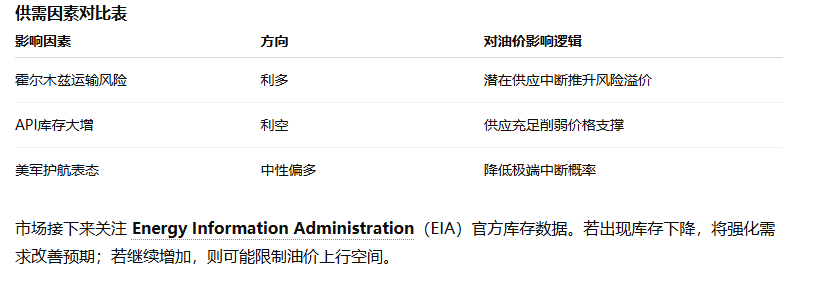
The market will now focus on official inventory data from the Energy Information Administration (EIA). A decline in inventories would strengthen expectations of improved demand; conversely, continued increases could limit upside potential for oil prices.
III. Technical Analysis <br/>The WTI daily chart shows that the price broke through the upper edge of the previous consolidation range (approximately $74) and formed a bullish breakout pattern with increased volume . The 14-day RSI rose to around 68, approaching the overbought zone but not yet at an extreme level. The 50-day moving average turned upwards and formed a bullish alignment with the 100-day moving average. The MACD histogram continued to expand, indicating increasing momentum.
Key technology positions:

If the price can hold above $75, the technical outlook suggests further upside potential; however, if it falls below $72 after a rally, it may return to a trading range.
IV. Market Structure Assessment
The current oil market is in a phase of clear "dual-track" competition: geopolitical risks dominate short-term direction, while inventory and demand data determine sustainability. If the situation in the Middle East eases, the risk premium will be quickly reversed; if the conflict escalates and truly impacts transportation volumes, oil prices may further challenge the $80 area.
Editor's Summary
In summary, the core driver of this round of WTI oil price increases is the anticipated supply disruptions caused by the escalation of the Middle East conflict, rather than a significant improvement in demand. Inventory data still indicates an ample supply side, creating a hedging pattern in the market. While the technical outlook remains bullish, it has entered a sensitive high-level zone in the short term.
The key variables for future price movements lie in the actual shipping conditions in the Strait of Hormuz and the verification of EIA inventory data. Oil price volatility is expected to remain high, and the market needs to be wary of the risk of a rapid pullback driven by sentiment.
Frequently Asked Questions
1. Why are oil prices rising but inventories increasing?
Oil prices are driven by geopolitics in the short term, while inventory data reflects the actual supply and demand situation. The current market is mainly trading on "supply disruption expectations" rather than actual demand improvement, resulting in a situation where prices are rising while inventories are increasing.
2. How significant is the global impact of the Strait of Hormuz?
This strait carries about 20% of the world's oil shipments. If it is blocked for a long period of time, it will seriously affect energy-importing countries in Asia and Europe and drive up global energy costs.
3. Why are API and EIA data important?
API data reflects industry trends and anticipates inventory changes; EIA data, based on official statistics, is more authoritative. Both often act as catalysts for short-term oil price fluctuations.
4. Is the current oil price in a bull market?
Technically, the market is showing a short-term bullish trend, but whether a long-term bull market will form depends on whether supply disruptions continue and whether global demand improves in tandem.
5. What risks should investors pay attention to?
Key factors to watch include developments in the Middle East, EIA inventory changes, and the US dollar's performance. If geopolitical risks ease, oil prices may experience a rapid correction.
I. Supply risk becomes the core driving force
As conflicts escalate between Iran and Israel, and the United States, markets are concerned about disruptions to shipping through the Strait of Hormuz, a strategic energy corridor. This strait handles approximately one-fifth of global crude oil shipments and is a vital lifeline for energy imports between Asia and Europe. Continued shipping restrictions would create structural tensions in the global spot market.
US President Trump recently stated, "The US Navy will ensure the safety of shipping in the Gulf and will provide escort support for merchant ships if necessary." While this statement alleviated market panic to some extent, it also indirectly confirmed the severity of the current situation. Driven by geopolitical risks, the risk premium in the crude oil market quickly returned to normal.
II. Inventory data forms a fundamental hedging mechanism
While geopolitical risks are escalating, US inventory data is sending a relatively loose signal. According to the latest weekly report from the American Petroleum Institute (API), for the week ending February 27: Crude oil inventories increased by approximately 5.6 million barrels, compared to an increase of 11.4 million barrels the previous week, with market expectations of an increase of 2.19 million barrels. The significant increase in inventories for two consecutive weeks indicates ample supply in the US, putting downward pressure on oil prices.
The market will now focus on official inventory data from the Energy Information Administration (EIA). A decline in inventories would strengthen expectations of improved demand; conversely, continued increases could limit upside potential for oil prices.
III. Technical Analysis <br/>The WTI daily chart shows that the price broke through the upper edge of the previous consolidation range (approximately $74) and formed a bullish breakout pattern with increased volume . The 14-day RSI rose to around 68, approaching the overbought zone but not yet at an extreme level. The 50-day moving average turned upwards and formed a bullish alignment with the 100-day moving average. The MACD histogram continued to expand, indicating increasing momentum.
Key technology positions:
If the price can hold above $75, the technical outlook suggests further upside potential; however, if it falls below $72 after a rally, it may return to a trading range.
IV. Market Structure Assessment
The current oil market is in a phase of clear "dual-track" competition: geopolitical risks dominate short-term direction, while inventory and demand data determine sustainability. If the situation in the Middle East eases, the risk premium will be quickly reversed; if the conflict escalates and truly impacts transportation volumes, oil prices may further challenge the $80 area.
Editor's Summary
In summary, the core driver of this round of WTI oil price increases is the anticipated supply disruptions caused by the escalation of the Middle East conflict, rather than a significant improvement in demand. Inventory data still indicates an ample supply side, creating a hedging pattern in the market. While the technical outlook remains bullish, it has entered a sensitive high-level zone in the short term.
The key variables for future price movements lie in the actual shipping conditions in the Strait of Hormuz and the verification of EIA inventory data. Oil price volatility is expected to remain high, and the market needs to be wary of the risk of a rapid pullback driven by sentiment.
Frequently Asked Questions
1. Why are oil prices rising but inventories increasing?
Oil prices are driven by geopolitics in the short term, while inventory data reflects the actual supply and demand situation. The current market is mainly trading on "supply disruption expectations" rather than actual demand improvement, resulting in a situation where prices are rising while inventories are increasing.
2. How significant is the global impact of the Strait of Hormuz?
This strait carries about 20% of the world's oil shipments. If it is blocked for a long period of time, it will seriously affect energy-importing countries in Asia and Europe and drive up global energy costs.
3. Why are API and EIA data important?
API data reflects industry trends and anticipates inventory changes; EIA data, based on official statistics, is more authoritative. Both often act as catalysts for short-term oil price fluctuations.
4. Is the current oil price in a bull market?
Technically, the market is showing a short-term bullish trend, but whether a long-term bull market will form depends on whether supply disruptions continue and whether global demand improves in tandem.
5. What risks should investors pay attention to?
Key factors to watch include developments in the Middle East, EIA inventory changes, and the US dollar's performance. If geopolitical risks ease, oil prices may experience a rapid correction.
- Risk Warning and Disclaimer
- The market involves risk, and trading may not be suitable for all investors. This article is for reference only and does not constitute personal investment advice, nor does it take into account certain users’ specific investment objectives, financial situation, or other needs. Any investment decisions made based on this information are at your own risk.

