"I was very confident until the war broke out." Kashkari's words rewrote the fate of the dollar.
2026-03-04 09:38:28
Minneapolis Federal Reserve President Neel Kashkari said on Tuesday (March 3) that the recent joint military action by the United States and Israel against Iran has significantly increased uncertainty about the U.S. economic outlook, making it much more difficult for the Federal Reserve to make monetary policy decisions.
Kashkari stated frankly that until days before the attack, he was "confident" about the economic outlook. He had originally anticipated that inflationary pressures would continue to ease in 2026, creating conditions for at least one interest rate cut that year. But this new geopolitical event has completely altered his assessment framework.
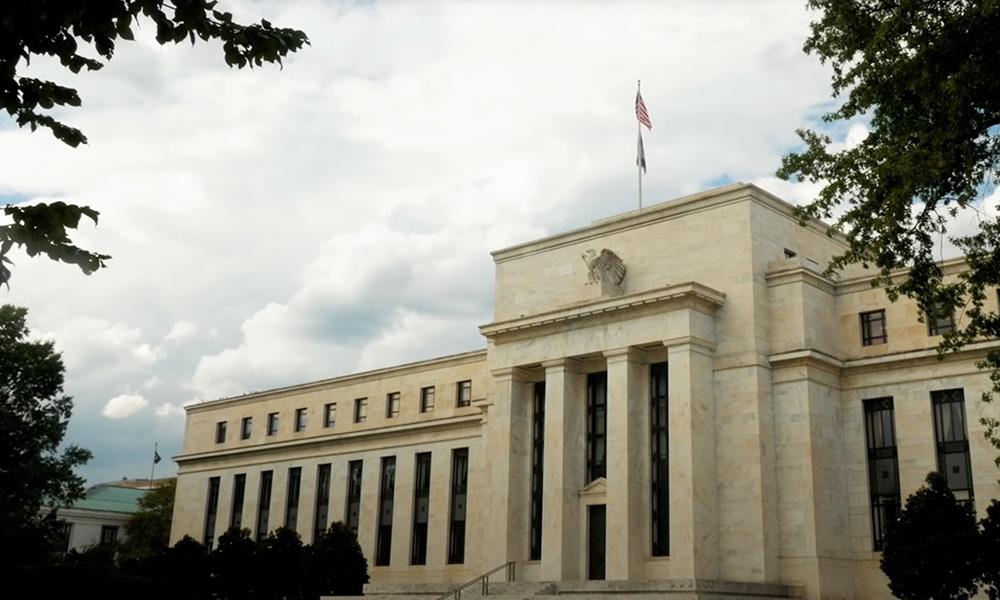
Kashkari views the US-Iran conflict as a new economic shock variable. He emphasizes that the most critical issue at present is the duration and severity of the conflict. The rapid rise in oil prices since the outbreak of the conflict has already put pressure on the global energy supply chain and could potentially lead to inflationary pressures in the United States.
He pointed out that the impact of such geopolitical events on inflation is often difficult to predict accurately in advance, so the Federal Reserve must closely monitor subsequent employment data, energy price trends, and changes in consumer inflation expectations.
Previously, the market widely expected the Federal Reserve to implement multiple interest rate cuts in 2026 to support the weakening job market. However, following the outbreak of the conflict with Iran and the rise in oil prices, the market has begun to lower the probability of rate cuts.
Kashkari stated that if the conflict significantly hinders economic activity, expectations for interest rate cuts could rise again; however, if persistently high oil prices push up inflation, the Federal Reserve may need to maintain a cautious wait-and-see approach for a longer period. Currently, the Fed's target range for the benchmark interest rate remains at 3.5%-3.75%.
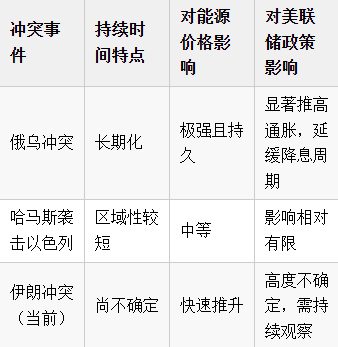
In his speech, Kashkari specifically compared the impact of the current Iranian conflict with that of two previous major geopolitical events:
Kashkari's remarks provided short- to medium-term support for the dollar, but at the cost of increased volatility, attempting to "push the floor" for the dollar. He cautioned the market against betting on interest rate cuts, noting that the variable of war had not yet been fully accounted for.
The US dollar index may find support and attempt to recover, but every step upward will be accompanied by apprehension over new inflation data and conflict headlines. On Wednesday (March 4th) during the Asian session, the US dollar index fluctuated upwards, continuing its gains from the previous two trading days, currently trading around 99.30, with a daily increase of approximately 0.25%. The previous trading day, it touched a more than three-month high of 99.68.
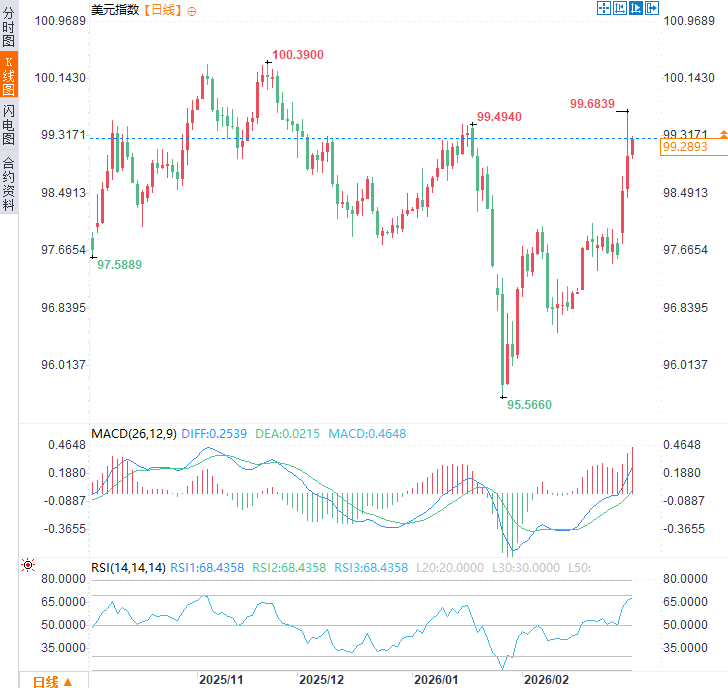
(US Dollar Index Daily Chart, Source: FX678)
Kashkari emphasized that the Federal Reserve's current policy stance is in a relatively ideal position, with both room to gradually return to a neutral interest rate and the ability to cope with unforeseen shocks. He specifically cautioned that if overall inflation remains high for an extended period after operating at its peak over the past five years, it will pose a serious challenge to inflation expectations and requires close attention.
Before the attack, Kashkari had been optimistic about the job market, which he described as "quite good but gradually weakening," and believed that there was room for gradual policy adjustments.
Kashkari's remarks clearly reflect that current geopolitical risks have become a significant external variable that the Federal Reserve cannot ignore when formulating monetary policy. Under the dual pressures of escalating oil price volatility and inflation expectations, the uncertainty surrounding the Fed's interest rate path in 2026 has increased significantly. Regardless of the duration of the conflict, its potential transmission effects on global energy markets and domestic price levels in the United States will test the Fed's decision-making wisdom in balancing its dual mandates of employment and inflation.
Q: What direct impact has the conflict in Iran had on the Federal Reserve's interest rate cut path?
A: Kashkari has made it clear that he previously supported at least one rate cut in 2026, but the new uncertainties brought about by the Iranian conflict mean he needs more data to make a judgment. Rising oil prices may push up inflation, thereby reducing the probability of a short-term rate cut; however, if the conflict leads to a significant economic slowdown, it may prompt the Federal Reserve to shift to easing measures more quickly.
Q: What specific aspects does Kashkari mean by the "new shock"?
A: This mainly refers to the energy price fluctuations, inflation transmission risks, and potential disruptions to global supply chains triggered by the US-Israeli military action against Iran. These factors combined have suddenly complicated what was previously a relatively clear economic outlook.
Q: What is the current level of the Federal Reserve's benchmark interest rate?
A: After three rate cuts totaling 0.75 percentage points in 2025, the Federal Reserve's target range for the federal funds rate remains at 3.5%-3.75%. This is an important policy position for the Fed to support employment while controlling inflation.
Q: How do the impacts of the current conflict between Iran and the Russia-Ukraine conflict differ in their effects on the Federal Reserve's policy?
A: The Russia-Ukraine conflict has caused a long-term, widespread energy crisis and significantly pushed up global inflation. The impact of the Iranian conflict is currently in its early stages, mainly reflected in the rapid reaction of oil prices; its duration and depth remain to be seen, hence the Federal Reserve's more cautious wait-and-see approach.
Q: How should ordinary investors view the current uncertainty in monetary policy?
A: Investors should pay close attention to subsequent inflation data, oil price trends, and further statements from Federal Reserve officials. Market volatility may increase in the short term; it is recommended to maintain a flexible asset allocation strategy, focus on defensive assets, and closely monitor signals from the Fed's March meeting.
At 9:30 AM Beijing time, the US dollar index is currently at 99.24.
Kashkari stated frankly that until days before the attack, he was "confident" about the economic outlook. He had originally anticipated that inflationary pressures would continue to ease in 2026, creating conditions for at least one interest rate cut that year. But this new geopolitical event has completely altered his assessment framework.
The economic impact of the US-Iran conflict
Kashkari views the US-Iran conflict as a new economic shock variable. He emphasizes that the most critical issue at present is the duration and severity of the conflict. The rapid rise in oil prices since the outbreak of the conflict has already put pressure on the global energy supply chain and could potentially lead to inflationary pressures in the United States.
He pointed out that the impact of such geopolitical events on inflation is often difficult to predict accurately in advance, so the Federal Reserve must closely monitor subsequent employment data, energy price trends, and changes in consumer inflation expectations.
Adjustment of interest rate cut expectations
Previously, the market widely expected the Federal Reserve to implement multiple interest rate cuts in 2026 to support the weakening job market. However, following the outbreak of the conflict with Iran and the rise in oil prices, the market has begun to lower the probability of rate cuts.
Kashkari stated that if the conflict significantly hinders economic activity, expectations for interest rate cuts could rise again; however, if persistently high oil prices push up inflation, the Federal Reserve may need to maintain a cautious wait-and-see approach for a longer period. Currently, the Fed's target range for the benchmark interest rate remains at 3.5%-3.75%.
Historical Conflict Comparative Analysis
In his speech, Kashkari specifically compared the impact of the current Iranian conflict with that of two previous major geopolitical events:
Analysis of the impact on the US dollar
Kashkari's remarks provided short- to medium-term support for the dollar, but at the cost of increased volatility, attempting to "push the floor" for the dollar. He cautioned the market against betting on interest rate cuts, noting that the variable of war had not yet been fully accounted for.
The US dollar index may find support and attempt to recover, but every step upward will be accompanied by apprehension over new inflation data and conflict headlines. On Wednesday (March 4th) during the Asian session, the US dollar index fluctuated upwards, continuing its gains from the previous two trading days, currently trading around 99.30, with a daily increase of approximately 0.25%. The previous trading day, it touched a more than three-month high of 99.68.
(US Dollar Index Daily Chart, Source: FX678)
Federal Reserve Policy Outlook
Kashkari emphasized that the Federal Reserve's current policy stance is in a relatively ideal position, with both room to gradually return to a neutral interest rate and the ability to cope with unforeseen shocks. He specifically cautioned that if overall inflation remains high for an extended period after operating at its peak over the past five years, it will pose a serious challenge to inflation expectations and requires close attention.
Before the attack, Kashkari had been optimistic about the job market, which he described as "quite good but gradually weakening," and believed that there was room for gradual policy adjustments.
Editor's Summary
Kashkari's remarks clearly reflect that current geopolitical risks have become a significant external variable that the Federal Reserve cannot ignore when formulating monetary policy. Under the dual pressures of escalating oil price volatility and inflation expectations, the uncertainty surrounding the Fed's interest rate path in 2026 has increased significantly. Regardless of the duration of the conflict, its potential transmission effects on global energy markets and domestic price levels in the United States will test the Fed's decision-making wisdom in balancing its dual mandates of employment and inflation.
Frequently Asked Questions
Q: What direct impact has the conflict in Iran had on the Federal Reserve's interest rate cut path?
A: Kashkari has made it clear that he previously supported at least one rate cut in 2026, but the new uncertainties brought about by the Iranian conflict mean he needs more data to make a judgment. Rising oil prices may push up inflation, thereby reducing the probability of a short-term rate cut; however, if the conflict leads to a significant economic slowdown, it may prompt the Federal Reserve to shift to easing measures more quickly.
Q: What specific aspects does Kashkari mean by the "new shock"?
A: This mainly refers to the energy price fluctuations, inflation transmission risks, and potential disruptions to global supply chains triggered by the US-Israeli military action against Iran. These factors combined have suddenly complicated what was previously a relatively clear economic outlook.
Q: What is the current level of the Federal Reserve's benchmark interest rate?
A: After three rate cuts totaling 0.75 percentage points in 2025, the Federal Reserve's target range for the federal funds rate remains at 3.5%-3.75%. This is an important policy position for the Fed to support employment while controlling inflation.
Q: How do the impacts of the current conflict between Iran and the Russia-Ukraine conflict differ in their effects on the Federal Reserve's policy?
A: The Russia-Ukraine conflict has caused a long-term, widespread energy crisis and significantly pushed up global inflation. The impact of the Iranian conflict is currently in its early stages, mainly reflected in the rapid reaction of oil prices; its duration and depth remain to be seen, hence the Federal Reserve's more cautious wait-and-see approach.
Q: How should ordinary investors view the current uncertainty in monetary policy?
A: Investors should pay close attention to subsequent inflation data, oil price trends, and further statements from Federal Reserve officials. Market volatility may increase in the short term; it is recommended to maintain a flexible asset allocation strategy, focus on defensive assets, and closely monitor signals from the Fed's March meeting.
At 9:30 AM Beijing time, the US dollar index is currently at 99.24.
- Risk Warning and Disclaimer
- The market involves risk, and trading may not be suitable for all investors. This article is for reference only and does not constitute personal investment advice, nor does it take into account certain users’ specific investment objectives, financial situation, or other needs. Any investment decisions made based on this information are at your own risk.