Aluminum prices surge to a near 4-year high, is a supply chain crisis looming?
2026-03-06 14:44:49
According to APP, Alba officially announced on March 4 that it would suspend the delivery of aluminum ingots and related products to some international customers by invoking the force majeure clauses in the supply contracts.
This sudden move stemmed directly from severe disruptions to shipping in the Strait of Hormuz , rather than operational malfunctions at Bahrain's domestic smelters. Escalating tensions in the Middle East have brought the logistics of this busiest energy and commodity corridor in the world to a near standstill, rapidly escalating the global aluminum supply chain crisis.
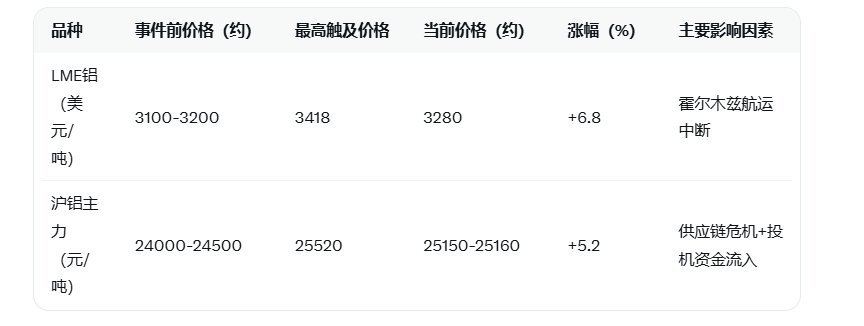
Stimulated by the news, aluminum prices surged on the same day, with LME three-month aluminum futures reaching a high of $3,418 per ton, a new high in nearly four years since 2022; the Shanghai aluminum main contract surged to a high of 25,520 yuan per ton, with the latest real-time price in the range of 25,150-25,160 yuan per ton, an increase of more than 5% compared to before the event.
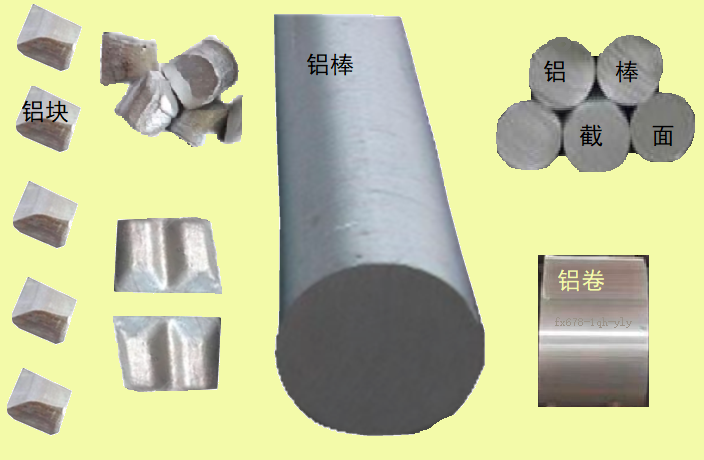
Bahrain Aluminium , one of the world's largest aluminum producers with an annual capacity of over 1 million tons, will directly impact downstream industries such as automotive, aviation, construction, and packaging with its delivery suspension. Sources familiar with the matter revealed that manufacturers in Europe, Asia, and the United States are already facing the risk of raw material shortages, and many factories have begun urgently assessing production cuts or seeking alternative sources.
Global aluminum inventories are currently at historically low levels, and coupled with volatile energy prices, any supply disruptions are quickly amplified by the market. Goldman Sachs' metals team recently commented, "Logistical bottlenecks in the Strait of Hormuz are expected to persist for several weeks, and tight aluminum supply will continue to support price increases."
Although Bahrain Aluminium emphasized that its factory production is completely normal, the resumption of shipping through the Straits still depends on the pace of easing tensions in the Middle East. Morgan Stanley cautioned that aluminum prices will remain volatile at high levels in the short term, and if alternative shipping routes open quickly, prices may see profit-taking.
LME aluminum inventories have now fallen to their lowest levels in recent years, and the Asian spot premium continues to widen, further confirming market anxiety about supply.
To clearly compare price performance before and after the event, the following table summarizes the latest real-time data:
At a deeper level, this crisis highlights the fragility of global commodity supply chains. European automakers have issued warnings, Asian electronics and packaging companies may shift towards inventory depletion, and the US construction industry faces significant cost pressures. If the Strait of Hormuz remains blocked for an extended period, aluminum prices could test the $3,500/ton mark.
Conversely, once shipping resumes, prices may quickly fall back to around $3,100. Investors should closely monitor subsequent data on strait traffic and inventory changes in major aluminum-producing countries.
Editor's Summary
Bahrain Aluminium's force majeure declaration, coupled with geopolitical and logistical bottlenecks, has pushed aluminum prices to a near four-year high, with the crisis rapidly spreading from the energy sector to non-ferrous metals. Short-term volatility will likely be the dominant theme, while medium- to long-term trends will depend on the easing of tensions in the Middle East and global alternative supply capabilities.
Frequently Asked Questions
Question 1: Why did Bahrain Aluminium suddenly announce a suspension of deliveries?
On March 4, Bahrain Aluminium (Alba) invoked the force majeure clause in its contracts to suspend aluminum deliveries to some customers, primarily due to severe disruptions to shipping through the Strait of Hormuz, rather than factory shutdowns. The strait is a crucial passageway for global oil and commodities, and the Middle East conflict has disrupted transit logistics, directly impacting its export fulfillment capabilities.
Question 2: Why did aluminum prices hit a nearly 4-year high?
Stimulated by news of force majeure at Bahrain Aluminium, LME aluminum prices surged to a high of $3,418 per ton (a near 4-year high), while the Shanghai Futures Exchange (SHFE) main contract reached a high of 25,520 yuan per ton. Low global aluminum inventories, coupled with expectations of a supply chain crisis, have led to a rapid influx of speculative funds, amplifying the short-term supply-demand imbalance in the market.
Question 3: How will this event affect global manufacturing?
Manufacturers in Europe, Asia, and the United States may face raw material shortages, with the automotive, aerospace, construction, and packaging industries bearing the brunt. Logistical bottlenecks may lead to factory production cuts or increased costs, requiring companies to focus on depleting inventory or finding alternative suppliers in the short term.
Question 4: What are the institutions' views on the future aluminum price?
Goldman Sachs believes logistical constraints will support price increases, while Morgan Stanley cautions about the risk of a pullback after shipping resumes. Overall, the outlook remains for short-term high-level fluctuations, while the medium- to long-term outlook depends on the easing of tensions and the speed of inventory replenishment.
Question 5: How should investors currently trade aluminum-related commodities?
In the short term, consider buying low and selling high within the LME $3200-$3500 range, but strictly control position size. The long-term outlook is positive due to tight supply, but it is recommended to consider both crude oil and geopolitical news, prioritize risk management, and avoid chasing highs.
This sudden move stemmed directly from severe disruptions to shipping in the Strait of Hormuz , rather than operational malfunctions at Bahrain's domestic smelters. Escalating tensions in the Middle East have brought the logistics of this busiest energy and commodity corridor in the world to a near standstill, rapidly escalating the global aluminum supply chain crisis.
Stimulated by the news, aluminum prices surged on the same day, with LME three-month aluminum futures reaching a high of $3,418 per ton, a new high in nearly four years since 2022; the Shanghai aluminum main contract surged to a high of 25,520 yuan per ton, with the latest real-time price in the range of 25,150-25,160 yuan per ton, an increase of more than 5% compared to before the event.
Bahrain Aluminium , one of the world's largest aluminum producers with an annual capacity of over 1 million tons, will directly impact downstream industries such as automotive, aviation, construction, and packaging with its delivery suspension. Sources familiar with the matter revealed that manufacturers in Europe, Asia, and the United States are already facing the risk of raw material shortages, and many factories have begun urgently assessing production cuts or seeking alternative sources.
Global aluminum inventories are currently at historically low levels, and coupled with volatile energy prices, any supply disruptions are quickly amplified by the market. Goldman Sachs' metals team recently commented, "Logistical bottlenecks in the Strait of Hormuz are expected to persist for several weeks, and tight aluminum supply will continue to support price increases."
Although Bahrain Aluminium emphasized that its factory production is completely normal, the resumption of shipping through the Straits still depends on the pace of easing tensions in the Middle East. Morgan Stanley cautioned that aluminum prices will remain volatile at high levels in the short term, and if alternative shipping routes open quickly, prices may see profit-taking.
LME aluminum inventories have now fallen to their lowest levels in recent years, and the Asian spot premium continues to widen, further confirming market anxiety about supply.
To clearly compare price performance before and after the event, the following table summarizes the latest real-time data:
At a deeper level, this crisis highlights the fragility of global commodity supply chains. European automakers have issued warnings, Asian electronics and packaging companies may shift towards inventory depletion, and the US construction industry faces significant cost pressures. If the Strait of Hormuz remains blocked for an extended period, aluminum prices could test the $3,500/ton mark.
Conversely, once shipping resumes, prices may quickly fall back to around $3,100. Investors should closely monitor subsequent data on strait traffic and inventory changes in major aluminum-producing countries.
Editor's Summary
Bahrain Aluminium's force majeure declaration, coupled with geopolitical and logistical bottlenecks, has pushed aluminum prices to a near four-year high, with the crisis rapidly spreading from the energy sector to non-ferrous metals. Short-term volatility will likely be the dominant theme, while medium- to long-term trends will depend on the easing of tensions in the Middle East and global alternative supply capabilities.
Frequently Asked Questions
Question 1: Why did Bahrain Aluminium suddenly announce a suspension of deliveries?
On March 4, Bahrain Aluminium (Alba) invoked the force majeure clause in its contracts to suspend aluminum deliveries to some customers, primarily due to severe disruptions to shipping through the Strait of Hormuz, rather than factory shutdowns. The strait is a crucial passageway for global oil and commodities, and the Middle East conflict has disrupted transit logistics, directly impacting its export fulfillment capabilities.
Question 2: Why did aluminum prices hit a nearly 4-year high?
Stimulated by news of force majeure at Bahrain Aluminium, LME aluminum prices surged to a high of $3,418 per ton (a near 4-year high), while the Shanghai Futures Exchange (SHFE) main contract reached a high of 25,520 yuan per ton. Low global aluminum inventories, coupled with expectations of a supply chain crisis, have led to a rapid influx of speculative funds, amplifying the short-term supply-demand imbalance in the market.
Question 3: How will this event affect global manufacturing?
Manufacturers in Europe, Asia, and the United States may face raw material shortages, with the automotive, aerospace, construction, and packaging industries bearing the brunt. Logistical bottlenecks may lead to factory production cuts or increased costs, requiring companies to focus on depleting inventory or finding alternative suppliers in the short term.
Question 4: What are the institutions' views on the future aluminum price?
Goldman Sachs believes logistical constraints will support price increases, while Morgan Stanley cautions about the risk of a pullback after shipping resumes. Overall, the outlook remains for short-term high-level fluctuations, while the medium- to long-term outlook depends on the easing of tensions and the speed of inventory replenishment.
Question 5: How should investors currently trade aluminum-related commodities?
In the short term, consider buying low and selling high within the LME $3200-$3500 range, but strictly control position size. The long-term outlook is positive due to tight supply, but it is recommended to consider both crude oil and geopolitical news, prioritize risk management, and avoid chasing highs.
- Risk Warning and Disclaimer
- The market involves risk, and trading may not be suitable for all investors. This article is for reference only and does not constitute personal investment advice, nor does it take into account certain users’ specific investment objectives, financial situation, or other needs. Any investment decisions made based on this information are at your own risk.