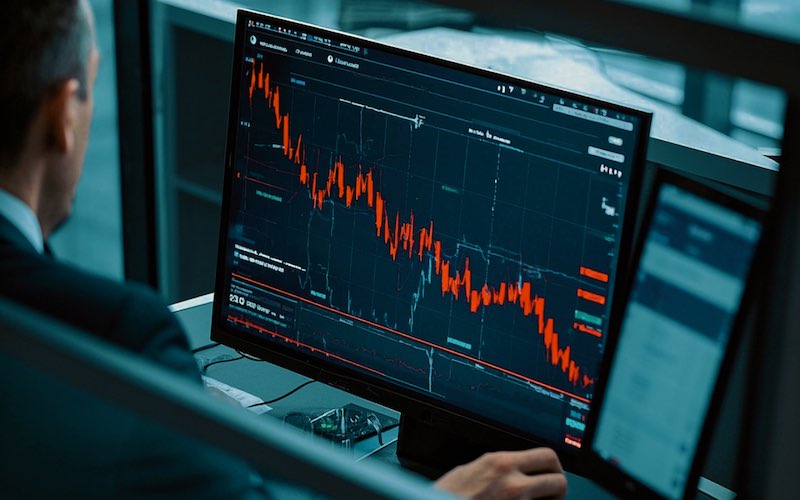
The Federal Reserve's actions tonight not only impact assets, but also price in a potential war between the US and Iran.
2026-03-18 16:35:00
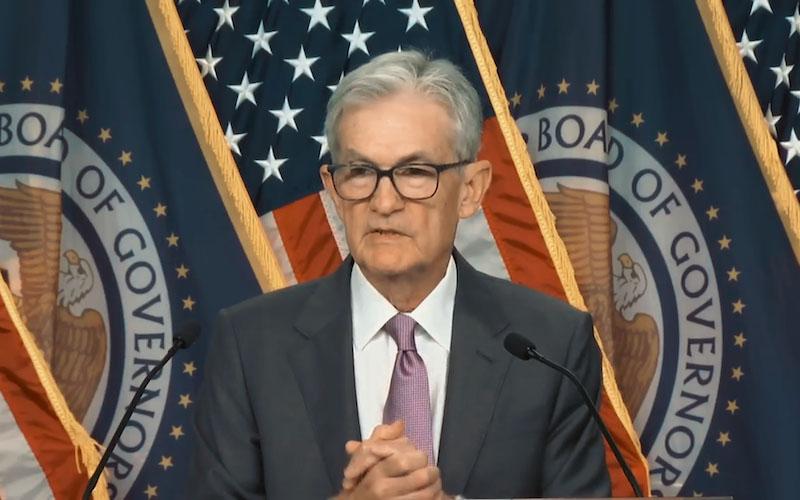
The Federal Reserve's March monetary policy meeting, which opened on March 17 local time, is facing an unprecedentedly complex situation: the surge in energy prices and economic uncertainty triggered by the war with Iran, coupled with political pressure from the Trump administration, are making it difficult for the central bank to balance its dual mandate.
The market widely expects the Federal Reserve to maintain its January policy stance and keep interest rates unchanged. However, the Summary of Economic Projections and the dot plot released early Thursday morning will be key to understanding its future policy path and will also lay the policy tone for the potential new chairman, Kevin Warsh.
Current US economic data is showing significant divergence, posing a challenge to the Federal Reserve's policy decisions.
On the inflation front, the core personal consumption expenditure price index (PCE) rose 3.1% year-on-year in January, a significant acceleration from 2.8% in November, highlighting that inflation stickiness is far greater than expected. It is worth noting that this was before the war pushed up oil prices.
The outbreak of the war in Iran has further amplified price pressures—since the US-Israeli coalition launched its bombing campaign more than two weeks ago, prices of crude oil, gasoline, natural gas, and fertilizers have soared. The average price of gasoline in the United States has increased by more than 25% compared to before the war, which has spread to multiple sectors such as transportation and chemicals, pushing up core inflation and the cost of living.
Goldman Sachs estimates that the surge in oil prices could push global inflation up by 0.5 to 0.6 percentage points over the next year, with a significant spillover effect on inflation in the United States.
The labor market is weak, in stark contrast to strong inflation.
February's non-farm payrolls data unexpectedly showed a net decrease of 92,000 jobs, and the net job growth from December to January was actually zero. The surge in jobs in January has been confirmed as an anomaly, and the economy has returned to a state of job loss.
Meanwhile, the unemployment rate in February was 4.4%, which, although not reaching the 4.5% recession warning level predicted by the Sam's Law, remains unclear whether the market characteristics of "low hiring and low layoffs" can continue. Evidence of labor market stabilization is diverging and deviates from Powell's expectation of "employment stabilization" implied after the January interest rate meeting.
The energy shock from the war with Iran has put the Federal Reserve in its most difficult policy dilemma in nearly a decade.
Historically, the Federal Reserve typically “penetrates” short-term supply shocks without making significant adjustments to interest rates. However, the unique aspect of this conflict lies in the high degree of uncertainty regarding its duration and scope of impact. The Strait of Hormuz, a key passage for one-fifth of the world’s oil supply, has raised concerns in the market about a long-term energy shortage due to the risk of disruption to its transportation.
This uncertainty disrupts traditional policy logic: a sharp rise in energy prices should suppress economic growth and alleviate inflationary pressures, but against the backdrop of high inflation following the COVID-19 pandemic and the Russia-Ukraine conflict, market concerns about the spread of "cost-push inflation" have increased significantly, making it difficult for the Federal Reserve to simply apply past experience.
Monetary policy analysis firms point out that gasoline prices have a strong transmission effect on consumer inflation expectations. If oil prices remain high and cause gasoline prices to soar, it may force the FOMC to be more cautious when releasing easing signals.
KPMG's chief economist went further, saying that now is the right time for the Federal Reserve to shift its forecasts toward "stagflation," and that it is expected to raise its year-end inflation and unemployment forecasts to reflect the complex situation of "slowing economy + rising prices."
However, Goldman Sachs also pointed out that the impact is mainly concentrated in the energy sector. Global trade with Gulf countries accounts for only 1% of the total, and it will not evolve into a widespread supply chain crisis like that during the COVID-19 pandemic. This limits the spread of the impact to some extent.
The Federal Reserve's policy decisions are also hampered by a complex political environment. Following a legal defeat last week, the Trump administration plans to appeal the federal judge's decision to dismiss the subpoena and continues to intensify its attacks on current Chairman Powell, accusing him of a "disastrous performance."
Meanwhile, with Powell's term as chairman expiring in May, the nomination process for Trump's successor, former Federal Reserve Board member Kevin Warsh, has become embroiled in political maneuvering. Although Warsh's chances of being elected remain high, the Justice Department's ongoing investigation has stalled the Senate confirmation process. North Carolina Republican Senator Thom Tillis has made it clear that he will block the vote on all Federal Reserve candidates until the investigation is completed.
It is worth noting that the FOMC's decision to have Powell serve as acting chairman until a successor is confirmed is seen as a compromise. It provides basic assurance for policy continuity and eases tensions between the Trump administration and the Federal Reserve, potentially creating room for both sides to reach a settlement on subsequent policy investigations or personnel appointments.
The market generally believes that regardless of whether Powell or Warsh ultimately takes the helm, the current economic environment will delay the timetable for interest rate cuts. The CME FedWatch tool shows that the market expects only one rate cut by the end of the year, most likely after September, which is significantly different from the Fed's previous internal prediction of "a maximum of three rate cuts throughout the year".
As the first release of the "Economic Forecast Summary" this year, the dot plot at this conference will be a focus of market attention.
Looking back to last December, the median expectation among Federal Reserve officials was one rate cut in 2026, with four officials advocating for two rate cuts and three others supporting a larger rate cut this year.
The core question now is whether officials will adjust their forecasts on the interest rate path in the face of high inflation, weak employment, and the impact of war.
Sam Thomas, chief U.S. economist at Pantheon Macroeconomics, pointed out that the new dot plot will most likely show that most members still favor an accommodative policy this year and in 2027, but the core risk is that the median expectation may turn into "keeping interest rates unchanged until the end of the year".
In addition, the Federal Reserve's adjustments to its forecasts on the persistence of inflation, the extent of downward revisions to economic growth, and the potential for further increases in the unemployment rate will provide the market with key clues about the policy tone.
If officials' assessment of the energy shock leans towards a "long-term" view, meaning a more protracted pricing war, they may send more hawkish signals to prevent inflation expectations from spiraling out of control; conversely, if they emphasize the "temporary" nature of the shock, they may retain easing options to support weak economic fundamentals.
In the shadow of the Iran war, the core mission of the Federal Reserve’s March policy meeting has been upgraded from “balancing inflation and employment” to “anchoring policy direction amid multiple uncertainties.”
Maintaining interest rates unchanged is now highly probable, but the real key lies in the signals conveyed in policy statements and economic forecasts—how to assess the risk of stagflation, how to define the nature of the energy shock, and how to adjust expectations for the interest rate path.
For the market, it is crucial to pay close attention to the degree of divergence in the dot plot, the magnitude of upward revisions to inflation forecasts, and the logic behind downward revisions to economic growth forecasts. These factors will directly impact the future direction of the US dollar exchange rate, US Treasury yields, and the US stock market.
This meeting is not only a response to the current economic difficulties, but will also lay the foundation for the Federal Reserve's policy framework for the next stage.
The market widely expects the Federal Reserve to maintain its January policy stance and keep interest rates unchanged. However, the Summary of Economic Projections and the dot plot released early Thursday morning will be key to understanding its future policy path and will also lay the policy tone for the potential new chairman, Kevin Warsh.
Contradictory Macroeconomic Data: The Dual Squeeze of High Inflation and Weak Employment
Current US economic data is showing significant divergence, posing a challenge to the Federal Reserve's policy decisions.
On the inflation front, the core personal consumption expenditure price index (PCE) rose 3.1% year-on-year in January, a significant acceleration from 2.8% in November, highlighting that inflation stickiness is far greater than expected. It is worth noting that this was before the war pushed up oil prices.
The outbreak of the war in Iran has further amplified price pressures—since the US-Israeli coalition launched its bombing campaign more than two weeks ago, prices of crude oil, gasoline, natural gas, and fertilizers have soared. The average price of gasoline in the United States has increased by more than 25% compared to before the war, which has spread to multiple sectors such as transportation and chemicals, pushing up core inflation and the cost of living.
Goldman Sachs estimates that the surge in oil prices could push global inflation up by 0.5 to 0.6 percentage points over the next year, with a significant spillover effect on inflation in the United States.
The labor market is weak, in stark contrast to strong inflation.
February's non-farm payrolls data unexpectedly showed a net decrease of 92,000 jobs, and the net job growth from December to January was actually zero. The surge in jobs in January has been confirmed as an anomaly, and the economy has returned to a state of job loss.
Meanwhile, the unemployment rate in February was 4.4%, which, although not reaching the 4.5% recession warning level predicted by the Sam's Law, remains unclear whether the market characteristics of "low hiring and low layoffs" can continue. Evidence of labor market stabilization is diverging and deviates from Powell's expectation of "employment stabilization" implied after the January interest rate meeting.
The impact of war coupled with policy dilemmas: the clash between the risk of stagflation and the traditional framework.
The energy shock from the war with Iran has put the Federal Reserve in its most difficult policy dilemma in nearly a decade.
Historically, the Federal Reserve typically “penetrates” short-term supply shocks without making significant adjustments to interest rates. However, the unique aspect of this conflict lies in the high degree of uncertainty regarding its duration and scope of impact. The Strait of Hormuz, a key passage for one-fifth of the world’s oil supply, has raised concerns in the market about a long-term energy shortage due to the risk of disruption to its transportation.
This uncertainty disrupts traditional policy logic: a sharp rise in energy prices should suppress economic growth and alleviate inflationary pressures, but against the backdrop of high inflation following the COVID-19 pandemic and the Russia-Ukraine conflict, market concerns about the spread of "cost-push inflation" have increased significantly, making it difficult for the Federal Reserve to simply apply past experience.
Monetary policy analysis firms point out that gasoline prices have a strong transmission effect on consumer inflation expectations. If oil prices remain high and cause gasoline prices to soar, it may force the FOMC to be more cautious when releasing easing signals.
KPMG's chief economist went further, saying that now is the right time for the Federal Reserve to shift its forecasts toward "stagflation," and that it is expected to raise its year-end inflation and unemployment forecasts to reflect the complex situation of "slowing economy + rising prices."
However, Goldman Sachs also pointed out that the impact is mainly concentrated in the energy sector. Global trade with Gulf countries accounts for only 1% of the total, and it will not evolve into a widespread supply chain crisis like that during the COVID-19 pandemic. This limits the spread of the impact to some extent.
Political maneuvering and the uncertainty surrounding the Fed chairmanship: potential variables for policy continuity
The Federal Reserve's policy decisions are also hampered by a complex political environment. Following a legal defeat last week, the Trump administration plans to appeal the federal judge's decision to dismiss the subpoena and continues to intensify its attacks on current Chairman Powell, accusing him of a "disastrous performance."
Meanwhile, with Powell's term as chairman expiring in May, the nomination process for Trump's successor, former Federal Reserve Board member Kevin Warsh, has become embroiled in political maneuvering. Although Warsh's chances of being elected remain high, the Justice Department's ongoing investigation has stalled the Senate confirmation process. North Carolina Republican Senator Thom Tillis has made it clear that he will block the vote on all Federal Reserve candidates until the investigation is completed.
It is worth noting that the FOMC's decision to have Powell serve as acting chairman until a successor is confirmed is seen as a compromise. It provides basic assurance for policy continuity and eases tensions between the Trump administration and the Federal Reserve, potentially creating room for both sides to reach a settlement on subsequent policy investigations or personnel appointments.
The market generally believes that regardless of whether Powell or Warsh ultimately takes the helm, the current economic environment will delay the timetable for interest rate cuts. The CME FedWatch tool shows that the market expects only one rate cut by the end of the year, most likely after September, which is significantly different from the Fed's previous internal prediction of "a maximum of three rate cuts throughout the year".
Key takeaways from the meeting: The signaling significance of dot plots and economic forecasts
As the first release of the "Economic Forecast Summary" this year, the dot plot at this conference will be a focus of market attention.
Looking back to last December, the median expectation among Federal Reserve officials was one rate cut in 2026, with four officials advocating for two rate cuts and three others supporting a larger rate cut this year.
The core question now is whether officials will adjust their forecasts on the interest rate path in the face of high inflation, weak employment, and the impact of war.
Sam Thomas, chief U.S. economist at Pantheon Macroeconomics, pointed out that the new dot plot will most likely show that most members still favor an accommodative policy this year and in 2027, but the core risk is that the median expectation may turn into "keeping interest rates unchanged until the end of the year".
In addition, the Federal Reserve's adjustments to its forecasts on the persistence of inflation, the extent of downward revisions to economic growth, and the potential for further increases in the unemployment rate will provide the market with key clues about the policy tone.
If officials' assessment of the energy shock leans towards a "long-term" view, meaning a more protracted pricing war, they may send more hawkish signals to prevent inflation expectations from spiraling out of control; conversely, if they emphasize the "temporary" nature of the shock, they may retain easing options to support weak economic fundamentals.
Conclusion: The Federal Reserve's decision is not only pricing assets but also pricing war.
In the shadow of the Iran war, the core mission of the Federal Reserve’s March policy meeting has been upgraded from “balancing inflation and employment” to “anchoring policy direction amid multiple uncertainties.”
Maintaining interest rates unchanged is now highly probable, but the real key lies in the signals conveyed in policy statements and economic forecasts—how to assess the risk of stagflation, how to define the nature of the energy shock, and how to adjust expectations for the interest rate path.
For the market, it is crucial to pay close attention to the degree of divergence in the dot plot, the magnitude of upward revisions to inflation forecasts, and the logic behind downward revisions to economic growth forecasts. These factors will directly impact the future direction of the US dollar exchange rate, US Treasury yields, and the US stock market.
This meeting is not only a response to the current economic difficulties, but will also lay the foundation for the Federal Reserve's policy framework for the next stage.
- Risk Warning and Disclaimer
- The market involves risk, and trading may not be suitable for all investors. This article is for reference only and does not constitute personal investment advice, nor does it take into account certain users’ specific investment objectives, financial situation, or other needs. Any investment decisions made based on this information are at your own risk.