Starting at 250,000 barrels! Can this "lifeline" for Iraq reverse its oil crisis?
2026-03-18 16:36:21
The news of the Iraq-Turkey pipeline restarting has become a focus of market attention amid the current geopolitical situation. On Wednesday, March 18th, Brent crude oil prices fluctuated around $102 per barrel, experiencing a slight intraday pullback, but still showing a gain of over 40% in the past month, mainly due to the actual disruption of the Strait of Hormuz. The Strait of Hormuz, a vital waterway for approximately 20% of global crude oil and liquefied natural gas transport, has seen tanker traffic plummet to near zero since the escalation of the conflict between the US and Iran in late February, severely hindering crude oil loading for major Persian Gulf exporters, including those in southern Iraq.
Exports from the Basra terminal in southern Iraq nearly ground to a halt, with daily exports plummeting from approximately 3.3 million barrels per day before the war to less than 800,000 barrels per day, forcing production cuts and a shift towards inventory. While the restart of the Iraq-Turkey pipeline (ITP) provides an overland route around the Persian Gulf, its initial flow rate of only 250,000 barrels per day is insufficient to substantially alleviate global supply pressures.
Iraqi officials have confirmed that the pipeline connecting the Kirkuk oil field to the Turkish port of Ceyhan has resumed operation at a rate of 250,000 barrels per day. This move stems from coordination between the federal government and the Kurdistan Regional Government, as well as final maintenance on the pipeline infrastructure. Oil Minister Hayan Abdul Ghani recently stated that the pipeline's capacity can reach 200,000 to 250,000 barrels per day, and pressure testing of the remaining approximately 100 kilometers is expected to be completed within a week. The aim is to pump crude oil directly from Kirkuk to Mediterranean terminals, avoiding reliance on the Kurdistan regional pipeline network. This restart represents a significant diplomatic and economic breakthrough for Iraq, as its southern export routes have been disrupted by the Strait of Hormuz, causing Iraq's daily crude oil production to drop from approximately 4.3 million barrels per day before the war to approximately 1.3 million barrels per day. Inventories are nearing capacity, and the remaining production is primarily supplying domestic refineries. The pipeline's resumption provides the only export route to the Mediterranean without passing through the Persian Gulf.
Before the Iraq War, Iraq exported approximately 3.4 million barrels of crude oil per day, primarily through the Strait of Hormuz via the southern terminal in Basra. With exports from the south now significantly reduced, the northern pipeline has become a crucial alternative. While the initial flow of 250,000 barrels per day is limited, the total volume is expected to gradually rise to approximately 450,000 barrels per day if more crude oil is added to the storage facilities. The table below compares the current export structure with that before the war (unit: 10,000 barrels per day):
This change highlights the risks of Iraq's reliance on a single pipeline. While restarting the northern pipeline alleviates some pressure, it only covers about 0.1-0.2% of global supply, far from enough to offset the approximately 15-18 million barrels per day shortfall caused by the Hormuz pipeline disruption.
The disruption of the Strait of Hormuz has led to a structural shortage in global crude oil supply. Institutions such as the IEA are discussing releasing strategic reserves to buffer the impact, but alternative pipelines such as the Saudi-led pipeline (with a capacity of approximately 5 million barrels per day, but with low actual utilization) and the UAE pipeline have only provided partial relief. The northern Iraqi pipeline, with a maximum capacity of 1.2 million barrels per day, accounts for only about 0.5% of global supply, a drop in the ocean in the current environment. The market is dominated by geopolitical risk pricing, with Brent crude oil rising rapidly from pre-war levels to fluctuating above $100 per barrel. Although some tankers have begun attempting passage, soaring insurance costs and safety concerns have led most shipowners to remain on the sidelines. In the short term, supply uncertainty will continue to support high-level price fluctuations, with traders focusing on changes in Strait of Hormuz passage data and signals of reserve releases.
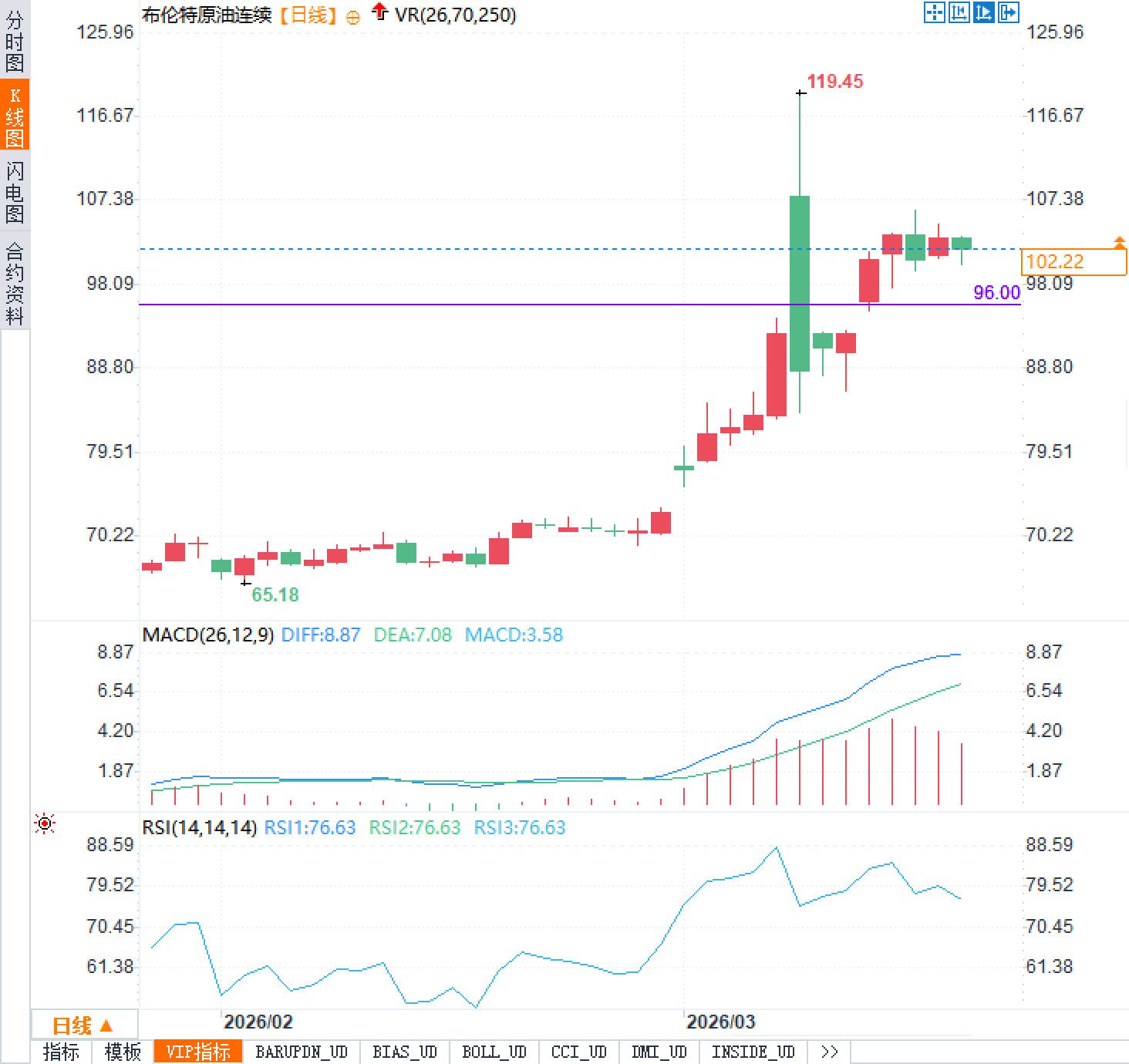
Exports from the Basra terminal in southern Iraq nearly ground to a halt, with daily exports plummeting from approximately 3.3 million barrels per day before the war to less than 800,000 barrels per day, forcing production cuts and a shift towards inventory. While the restart of the Iraq-Turkey pipeline (ITP) provides an overland route around the Persian Gulf, its initial flow rate of only 250,000 barrels per day is insufficient to substantially alleviate global supply pressures.
Background and actual scale of pipeline restart
Iraqi officials have confirmed that the pipeline connecting the Kirkuk oil field to the Turkish port of Ceyhan has resumed operation at a rate of 250,000 barrels per day. This move stems from coordination between the federal government and the Kurdistan Regional Government, as well as final maintenance on the pipeline infrastructure. Oil Minister Hayan Abdul Ghani recently stated that the pipeline's capacity can reach 200,000 to 250,000 barrels per day, and pressure testing of the remaining approximately 100 kilometers is expected to be completed within a week. The aim is to pump crude oil directly from Kirkuk to Mediterranean terminals, avoiding reliance on the Kurdistan regional pipeline network. This restart represents a significant diplomatic and economic breakthrough for Iraq, as its southern export routes have been disrupted by the Strait of Hormuz, causing Iraq's daily crude oil production to drop from approximately 4.3 million barrels per day before the war to approximately 1.3 million barrels per day. Inventories are nearing capacity, and the remaining production is primarily supplying domestic refineries. The pipeline's resumption provides the only export route to the Mediterranean without passing through the Persian Gulf.
Impact on Iraq's export pattern
Before the Iraq War, Iraq exported approximately 3.4 million barrels of crude oil per day, primarily through the Strait of Hormuz via the southern terminal in Basra. With exports from the south now significantly reduced, the northern pipeline has become a crucial alternative. While the initial flow of 250,000 barrels per day is limited, the total volume is expected to gradually rise to approximately 450,000 barrels per day if more crude oil is added to the storage facilities. The table below compares the current export structure with that before the war (unit: 10,000 barrels per day):
| Export routes | pre-war daily average | Current estimates | change |
|---|---|---|---|
| Southern Basra (via Hormuz) | Approximately 340 | Less than 80 | Significant decline |
| Northern ITP (Jayhan) | Close to 0 (long-term idle) | Initially 25, can reach 45 later. | Significant recovery |
| Total exports | Approximately 340-350 | Approximately 100-130 | A decrease of approximately 60-70% |
This change highlights the risks of Iraq's reliance on a single pipeline. While restarting the northern pipeline alleviates some pressure, it only covers about 0.1-0.2% of global supply, far from enough to offset the approximately 15-18 million barrels per day shortfall caused by the Hormuz pipeline disruption.
Global Supply and Price Dynamics Analysis
The disruption of the Strait of Hormuz has led to a structural shortage in global crude oil supply. Institutions such as the IEA are discussing releasing strategic reserves to buffer the impact, but alternative pipelines such as the Saudi-led pipeline (with a capacity of approximately 5 million barrels per day, but with low actual utilization) and the UAE pipeline have only provided partial relief. The northern Iraqi pipeline, with a maximum capacity of 1.2 million barrels per day, accounts for only about 0.5% of global supply, a drop in the ocean in the current environment. The market is dominated by geopolitical risk pricing, with Brent crude oil rising rapidly from pre-war levels to fluctuating above $100 per barrel. Although some tankers have begun attempting passage, soaring insurance costs and safety concerns have led most shipowners to remain on the sidelines. In the short term, supply uncertainty will continue to support high-level price fluctuations, with traders focusing on changes in Strait of Hormuz passage data and signals of reserve releases.
Frequently Asked Questions
Question 1: Will the initial flow of 250,000 barrels per day from the restart of the Iraq-Türkiye pipeline significantly alleviate the global crude oil supply shortage?
A: Difficult. The disruption of the Strait of Hormuz affects approximately 20% of global crude oil supply, with a daily shortfall of 15-18 million barrels, while the initial flow of the pipeline only represents about 0.1% of global supply. Even if it is subsequently expanded to 450,000 barrels per day, it will only cover a very small portion of the shortfall. The market views it more as a "lifeline" for Iraq's own exports than as a global supply and demand balancer. Traders are focused on whether it will activate other alternative routes, but the overall supply gap will still need to be filled by strategic reserves or increased production from other oil-producing countries.
Question 2: Why have exports from southern Iraq shrunk dramatically, while pipelines in the north have become the focus?
A: Crude oil from the southern Basra terminal must be loaded and exported via the Strait of Hormuz. Since the escalation of the conflict, tanker traffic through the strait has plummeted to near zero. Insurance and security risks have halted loading, causing daily exports to drop from 3.4 million barrels per day to less than 800,000 barrels per day, forcing a 70% reduction in production. The northern pipeline completely bypasses the Persian Gulf, reaching the Mediterranean port of Ceyhan directly, and is Iraq's only land-based alternative route. Although its restart is limited in scale, it is crucial to Iraq's finances, as oil revenues constitute a large portion of the government's budget.
Question 3: How to judge the sustainability of the current high Brent crude oil price?
A: Prices have already reflected geopolitical premiums and supply disruptions, rising over 40% in the past month. If there is no substantial recovery in strait traffic, reserve releases fall short of expectations, or conflict spills over, prices may still have room to rise. However, if tanker traffic gradually resumes or the IEA coordinates a larger-scale release, prices may see a pullback. Traders need to monitor daily tanker flow data, oil-producing country statements, and inventory changes as key indicators for determining direction.
- Risk Warning and Disclaimer
- The market involves risk, and trading may not be suitable for all investors. This article is for reference only and does not constitute personal investment advice, nor does it take into account certain users’ specific investment objectives, financial situation, or other needs. Any investment decisions made based on this information are at your own risk.