A week filled with war news and central bank decisions is coming to a close, and oil and gas prices are likely to remain on an upward trend.
2026-03-20 19:06:45
A week filled with war news and central bank decisions is drawing to a close, and the conclusion is clear: the Middle East conflict is escalating, and nobody knows what the right monetary policy response is.
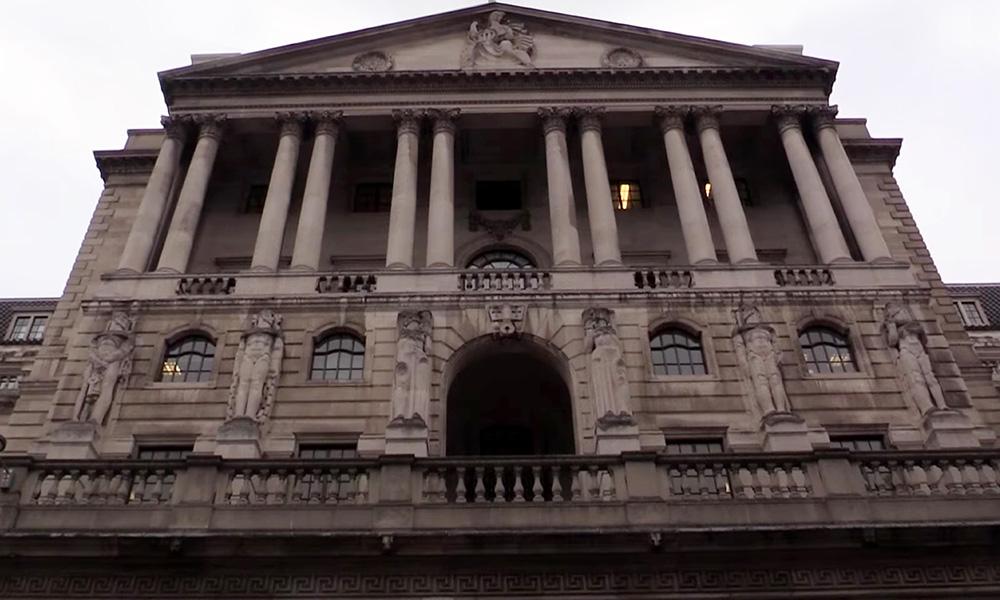
The consensus is that rising oil and energy prices will push up inflation in the short to medium term (depending on the duration of the conflict), while dragging down economic growth. Major central banks around the world have all conveyed this signal.
The Reserve Bank of Australia raised interest rates for the second consecutive week. The Federal Reserve remains cautious, with its dot plot still indicating a rate cut this year if inflation moves toward its 2% target—frankly, this seems more like wishful thinking. The Swiss National Bank faces less pressure, with Swiss inflation already near 0%. Meanwhile, the European Central Bank and the Bank of England are more concerned about inflation than the Federal Reserve—unsurprisingly, given that Europe is a net energy importer, and the weakening of the euro and pound against the dollar since the conflict began, meaning Europe may be more severely impacted by inflation.
How severe will the shock be? The European Central Bank's worst-case scenario forecast suggests that inflation could peak at 6.3% in the first quarter of next year. Let's hope that doesn't happen.
Somewhat reassuringly, the European Central Bank's baseline forecast is not so extreme, although its latest forecast yesterday still points to higher inflation and slower economic growth over the next three years. ECB President Christine Lagarde stated that since the Russia-Ukraine conflict, "we have learned lessons, improved our models, adjusted our strategies, and are now more vigilant about the risks to the economic outlook," which may offer some comfort.
Nevertheless, the reality remains grim: the European Central Bank is facing another energy shock, and the only conventional tool to address the resulting inflation is interest rate hikes. The market has already fully priced in two 25-basis-point rate hikes this year, with a roughly 50% probability of a third. This was the core conclusion of this meeting.
German and French bond yields climbed, reflecting market expectations of inflation and interest rate hikes—both yields rose to their highest levels since 2011. The Stoxx Europe 600 index came under pressure, falling approximately 2.4% yesterday. However, the decline was not triggered by the European Central Bank's decision, but rather by a surge in energy prices. Brent crude oil briefly approached $120 per barrel as the ongoing conflict between Iran and Israel continued to damage regional energy infrastructure.
Oil prices stabilized this morning as the US called for avoiding attacks on energy facilities—reports indicate a more conciliatory response from Israel, and there are reports that Washington is considering easing sanctions on Iranian oil. Unbelievable!
Meanwhile, France, Germany, Italy, and the United Kingdom issued a joint statement expressing their support for efforts to ensure the smooth passage of people through the Strait of Hormuz. However, being willing to act is one thing, and being able to do so is another. Therefore, although the market was relatively stable in the morning session, uncertainty and volatility will persist.
Against the same backdrop, the Bank of England also kept interest rates unchanged yesterday. The Monetary Policy Committee unanimously voted to hold rates steady—a stark contrast to the market's expectations of a rate cut before the escalation of the conflict. It's worth noting that unanimous votes on the Monetary Policy Committee are rare! More worryingly (but also in line with market expectations and pricing), the Bank of England has opened the door to future rate hikes to "address the risk of a more persistent impact on UK inflation." Bailey still cautioned against "judging too much as possible about rate hikes," but ultimately, everyone knows that if petrol prices remain high, a rate hike will be inevitable.
The problem is that raising interest rates has limited effectiveness in addressing external supply shocks. Interest rate hikes cannot end wars, repair damaged infrastructure, or directly lower energy prices. They can only slow economic growth and suppress demand, thereby curbing (but not necessarily reversing) inflationary pressures.
Against this backdrop, expectations of interest rate hikes are not favorable for European currencies. The euro and pound sterling rebounded slightly against the dollar yesterday, likely due to a slight easing of geopolitical tensions and a weaker dollar. However, both currency pairs came under pressure again this morning.
What will happen next? Nobody knows. Meanwhile, reports indicate that U.S. authorities are considering easing banking regulations, including lowering capital requirements. This might help banks cope more smoothly with rising private lending pressures, but it would also make them more vulnerable to future shocks.
We are approaching another potentially volatile weekend in the Middle East. Investors are unlikely to make significant purchases before then, so the week may end cautiously, with only a glimmer of hope that coordinated action by multiple countries can ease tensions around the Strait of Hormuz.
More realistically, oil and gas prices are likely to remain on an upward trend, with high volatility leading to significant two-way price fluctuations. Uncertainty will continue to keep market participants on edge.
Some argue that China has been relatively less affected by the Middle East conflict because of its energy reserves and significant investment in alternative energy sources—allowing it to rely on coal even in the worst-case scenario. However, China also faces its own challenges, such as an aging population and a sluggish real estate market.
The consensus is that rising oil and energy prices will push up inflation in the short to medium term (depending on the duration of the conflict), while dragging down economic growth. Major central banks around the world have all conveyed this signal.
The Reserve Bank of Australia raised interest rates for the second consecutive week. The Federal Reserve remains cautious, with its dot plot still indicating a rate cut this year if inflation moves toward its 2% target—frankly, this seems more like wishful thinking. The Swiss National Bank faces less pressure, with Swiss inflation already near 0%. Meanwhile, the European Central Bank and the Bank of England are more concerned about inflation than the Federal Reserve—unsurprisingly, given that Europe is a net energy importer, and the weakening of the euro and pound against the dollar since the conflict began, meaning Europe may be more severely impacted by inflation.
How severe will the shock be? The European Central Bank's worst-case scenario forecast suggests that inflation could peak at 6.3% in the first quarter of next year. Let's hope that doesn't happen.
Somewhat reassuringly, the European Central Bank's baseline forecast is not so extreme, although its latest forecast yesterday still points to higher inflation and slower economic growth over the next three years. ECB President Christine Lagarde stated that since the Russia-Ukraine conflict, "we have learned lessons, improved our models, adjusted our strategies, and are now more vigilant about the risks to the economic outlook," which may offer some comfort.
Nevertheless, the reality remains grim: the European Central Bank is facing another energy shock, and the only conventional tool to address the resulting inflation is interest rate hikes. The market has already fully priced in two 25-basis-point rate hikes this year, with a roughly 50% probability of a third. This was the core conclusion of this meeting.
German and French bond yields climbed, reflecting market expectations of inflation and interest rate hikes—both yields rose to their highest levels since 2011. The Stoxx Europe 600 index came under pressure, falling approximately 2.4% yesterday. However, the decline was not triggered by the European Central Bank's decision, but rather by a surge in energy prices. Brent crude oil briefly approached $120 per barrel as the ongoing conflict between Iran and Israel continued to damage regional energy infrastructure.
Oil prices stabilized this morning as the US called for avoiding attacks on energy facilities—reports indicate a more conciliatory response from Israel, and there are reports that Washington is considering easing sanctions on Iranian oil. Unbelievable!
Meanwhile, France, Germany, Italy, and the United Kingdom issued a joint statement expressing their support for efforts to ensure the smooth passage of people through the Strait of Hormuz. However, being willing to act is one thing, and being able to do so is another. Therefore, although the market was relatively stable in the morning session, uncertainty and volatility will persist.
Against the same backdrop, the Bank of England also kept interest rates unchanged yesterday. The Monetary Policy Committee unanimously voted to hold rates steady—a stark contrast to the market's expectations of a rate cut before the escalation of the conflict. It's worth noting that unanimous votes on the Monetary Policy Committee are rare! More worryingly (but also in line with market expectations and pricing), the Bank of England has opened the door to future rate hikes to "address the risk of a more persistent impact on UK inflation." Bailey still cautioned against "judging too much as possible about rate hikes," but ultimately, everyone knows that if petrol prices remain high, a rate hike will be inevitable.
The problem is that raising interest rates has limited effectiveness in addressing external supply shocks. Interest rate hikes cannot end wars, repair damaged infrastructure, or directly lower energy prices. They can only slow economic growth and suppress demand, thereby curbing (but not necessarily reversing) inflationary pressures.
Against this backdrop, expectations of interest rate hikes are not favorable for European currencies. The euro and pound sterling rebounded slightly against the dollar yesterday, likely due to a slight easing of geopolitical tensions and a weaker dollar. However, both currency pairs came under pressure again this morning.
What will happen next? Nobody knows. Meanwhile, reports indicate that U.S. authorities are considering easing banking regulations, including lowering capital requirements. This might help banks cope more smoothly with rising private lending pressures, but it would also make them more vulnerable to future shocks.
We are approaching another potentially volatile weekend in the Middle East. Investors are unlikely to make significant purchases before then, so the week may end cautiously, with only a glimmer of hope that coordinated action by multiple countries can ease tensions around the Strait of Hormuz.
More realistically, oil and gas prices are likely to remain on an upward trend, with high volatility leading to significant two-way price fluctuations. Uncertainty will continue to keep market participants on edge.
Some argue that China has been relatively less affected by the Middle East conflict because of its energy reserves and significant investment in alternative energy sources—allowing it to rely on coal even in the worst-case scenario. However, China also faces its own challenges, such as an aging population and a sluggish real estate market.
- Risk Warning and Disclaimer
- The market involves risk, and trading may not be suitable for all investors. This article is for reference only and does not constitute personal investment advice, nor does it take into account certain users’ specific investment objectives, financial situation, or other needs. Any investment decisions made based on this information are at your own risk.