UK bond yields approach 5%: How will the energy storm reshape the interest rate battlefield?
2026-03-30 18:40:30
On Monday, March 30, the yield on 10-year UK government bonds remained above 4.9%, nearing its highest level since July 2008. The yield has risen by approximately 58 basis points this month, showing strong momentum. Escalating geopolitical tensions, particularly the conflict in the Middle East leading to a sharp rise in energy prices, have directly reversed the Bank of England's previous expectations of further easing. The market has shifted from expecting two rate cuts this year to pricing in at least two rate hikes, and possibly even a third, resulting in a steepening of the bond yield curve. Traders are closely watching the combined effects of energy cost transmission, the risk of renewed inflation, and fiscal financing pressures, while recent statements from Bank of England policymakers have further highlighted the uncertainty surrounding the policy path.

The escalating conflict in the Middle East has directly driven up global energy prices, with Brent crude futures recently breaking through the $115 per barrel mark, an increase of more than 20% compared to pre-conflict levels. As a net energy importer, the UK has seen the rising costs of oil and gas quickly pass on to domestic wholesale prices. Household energy bills are facing upward pressure, with transportation fuel prices rising in tandem, the average increase in gasoline prices approaching 17 pence per liter. Inflation expectations have thus been reset, and the market is beginning to assess the possibility that the Consumer Price Index (CPI) will again exceed 3% for the whole of 2026.
This energy supply shock differs from demand-driven inflation in that it pushes up production costs in the short term while simultaneously suppressing consumption and investment. Every $10 increase in energy prices per barrel could potentially raise the UK inflation rate by an additional 0.5 percentage points. Historical data shows that during periods similar to the 2022 energy crisis, UK government bond yields rose rapidly due to a loss of anchor to inflation expectations. The current scenario is highly similar, but the triggering factors are more sudden. Supply chain disruptions further amplify price stickiness, and the manufacturing purchasing managers' index has already shown signs of cost pressure transmission. The energy shock also amplifies the UK economy's vulnerability to external shocks. A high proportion of imported energy implies deteriorating terms of trade, putting pressure on the pound sterling.
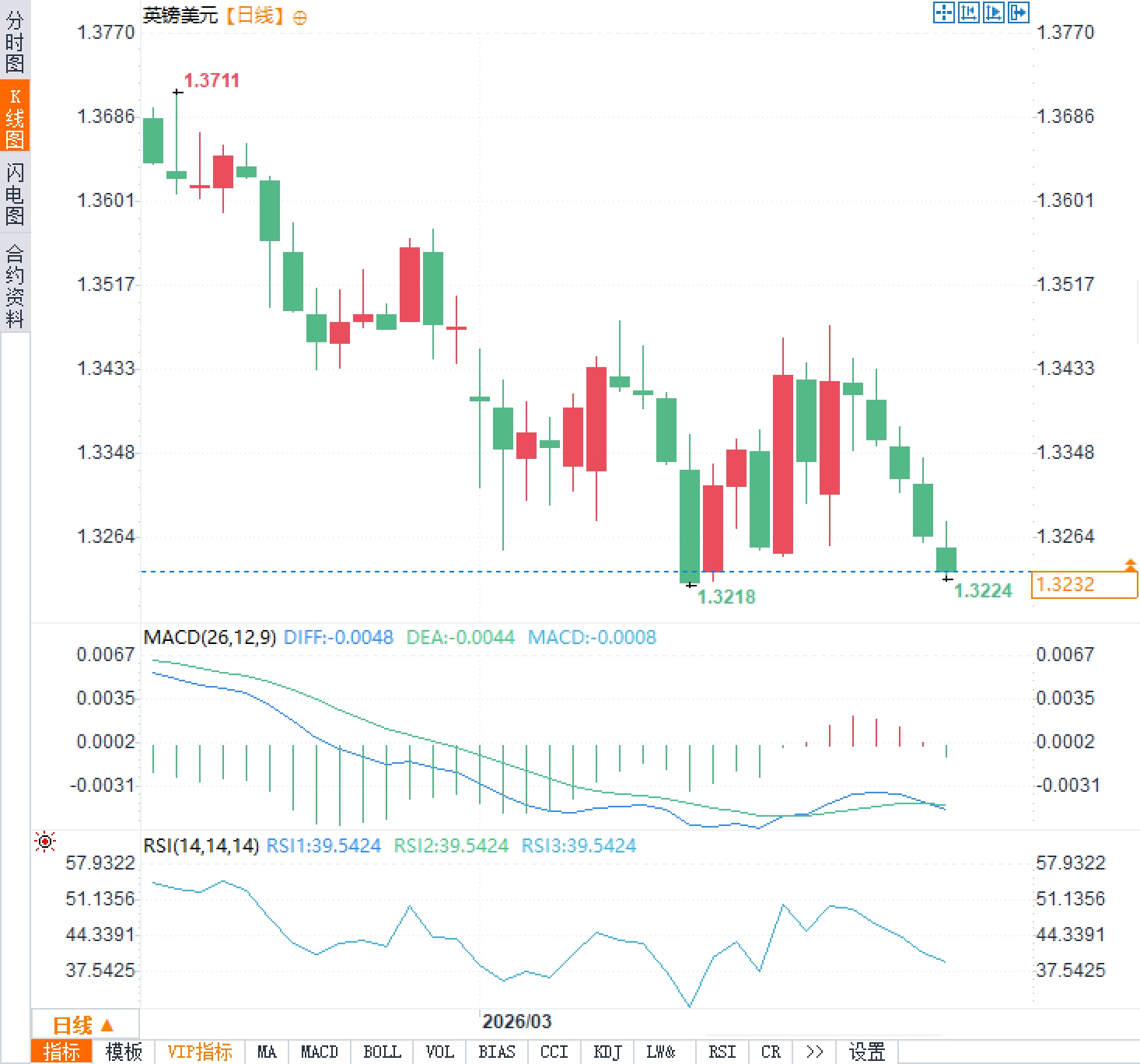
This round of yield increases is not an isolated event, but rather the result of the combined effects of supply-side shocks and demand-side expectations. The supply of UK government bonds is stable, but demand has weakened significantly due to inflation concerns. Institutional investors are reducing their duration exposure and shifting to short-term instruments for hedging, leading to concentrated selling pressure on 10-year bonds.
From a fundamental perspective, fiscal deficit pressures have intensified against the backdrop of rising energy costs. Every 1 percentage point increase in government borrowing costs could add billions of pounds to annual interest payments, which in turn demands higher yields to attract buyers, creating a self-reinforcing cycle. The real yield premium for UK 10-year bonds has widened to historically high levels compared to other major economies' government bonds, highlighting the market's pricing in specific UK risks.
The sharp shift in market expectations regarding the Bank of England's policy was the core catalyst for this round of market movements. Previously, traders widely anticipated two rate cuts in 2026 to support economic growth, but soaring energy prices forced pricing in at least two rate hikes. The Bank of England kept its benchmark interest rate at 3.75% at its March meeting, but subsequent forward guidance and data updates allowed hawkish pricing to prevail.
Bank of England external policymaker Alan Taylor recently stated that the threshold for raising interest rates is "high," and he prefers to wait for clearer data on the economic impact of the conflict before making adjustments. This statement has somewhat eased bets on extreme rate hikes, but it has not completely reversed market pricing. Traders need to distinguish between the conditioned reflexes under the central bank's "data-dependent" framework: if core inflation continues to rise due to energy transmission, policy rates may be raised in the second quarter; conversely, if the easing of the conflict leads to a decline in energy prices, the window for easing may reopen.
Policy uncertainty has amplified term premiums, with both the inflation compensation and real interest rate components implied in the 10-year government bond yield rising. Compared to other central banks, the Bank of England's response function is more sensitive to energy shocks because domestic housing and transportation costs have a higher weighting on inflation.
In the current environment, traders face multiple overlapping risks. Downside risks to bond prices primarily stem from the failure of inflation expectation anchors and concerns about fiscal sustainability. In the stock market, energy-intensive sectors may benefit in the short term, but overall valuations face upward pressure from discount rates. In the currency market, the pound's sensitivity to the dollar has increased, and any signal of escalating conflict could trigger safe-haven flows.
In the longer term, if energy prices remain high, the UK's economic growth trajectory may be revised downwards, impacting corporate profits and tax revenue, creating a negative feedback loop. Traders are focusing on cross-asset correlations: the correlation coefficient between government bond yields and oil prices has risen to a recent high, meaning hedging strategies need to be dynamically adjusted.
Energy price shocks and inflation transmission mechanisms
The escalating conflict in the Middle East has directly driven up global energy prices, with Brent crude futures recently breaking through the $115 per barrel mark, an increase of more than 20% compared to pre-conflict levels. As a net energy importer, the UK has seen the rising costs of oil and gas quickly pass on to domestic wholesale prices. Household energy bills are facing upward pressure, with transportation fuel prices rising in tandem, the average increase in gasoline prices approaching 17 pence per liter. Inflation expectations have thus been reset, and the market is beginning to assess the possibility that the Consumer Price Index (CPI) will again exceed 3% for the whole of 2026.
This energy supply shock differs from demand-driven inflation in that it pushes up production costs in the short term while simultaneously suppressing consumption and investment. Every $10 increase in energy prices per barrel could potentially raise the UK inflation rate by an additional 0.5 percentage points. Historical data shows that during periods similar to the 2022 energy crisis, UK government bond yields rose rapidly due to a loss of anchor to inflation expectations. The current scenario is highly similar, but the triggering factors are more sudden. Supply chain disruptions further amplify price stickiness, and the manufacturing purchasing managers' index has already shown signs of cost pressure transmission. The energy shock also amplifies the UK economy's vulnerability to external shocks. A high proportion of imported energy implies deteriorating terms of trade, putting pressure on the pound sterling.
Analysis of the driving factors behind the rise in UK government bond yields
This round of yield increases is not an isolated event, but rather the result of the combined effects of supply-side shocks and demand-side expectations. The supply of UK government bonds is stable, but demand has weakened significantly due to inflation concerns. Institutional investors are reducing their duration exposure and shifting to short-term instruments for hedging, leading to concentrated selling pressure on 10-year bonds.
From a fundamental perspective, fiscal deficit pressures have intensified against the backdrop of rising energy costs. Every 1 percentage point increase in government borrowing costs could add billions of pounds to annual interest payments, which in turn demands higher yields to attract buyers, creating a self-reinforcing cycle. The real yield premium for UK 10-year bonds has widened to historically high levels compared to other major economies' government bonds, highlighting the market's pricing in specific UK risks.
A reversal in expectations regarding the Bank of England's policy path
The sharp shift in market expectations regarding the Bank of England's policy was the core catalyst for this round of market movements. Previously, traders widely anticipated two rate cuts in 2026 to support economic growth, but soaring energy prices forced pricing in at least two rate hikes. The Bank of England kept its benchmark interest rate at 3.75% at its March meeting, but subsequent forward guidance and data updates allowed hawkish pricing to prevail.
Bank of England external policymaker Alan Taylor recently stated that the threshold for raising interest rates is "high," and he prefers to wait for clearer data on the economic impact of the conflict before making adjustments. This statement has somewhat eased bets on extreme rate hikes, but it has not completely reversed market pricing. Traders need to distinguish between the conditioned reflexes under the central bank's "data-dependent" framework: if core inflation continues to rise due to energy transmission, policy rates may be raised in the second quarter; conversely, if the easing of the conflict leads to a decline in energy prices, the window for easing may reopen.
Policy uncertainty has amplified term premiums, with both the inflation compensation and real interest rate components implied in the 10-year government bond yield rising. Compared to other central banks, the Bank of England's response function is more sensitive to energy shocks because domestic housing and transportation costs have a higher weighting on inflation.
Market risk considerations and potential transmission paths
In the current environment, traders face multiple overlapping risks. Downside risks to bond prices primarily stem from the failure of inflation expectation anchors and concerns about fiscal sustainability. In the stock market, energy-intensive sectors may benefit in the short term, but overall valuations face upward pressure from discount rates. In the currency market, the pound's sensitivity to the dollar has increased, and any signal of escalating conflict could trigger safe-haven flows.
In the longer term, if energy prices remain high, the UK's economic growth trajectory may be revised downwards, impacting corporate profits and tax revenue, creating a negative feedback loop. Traders are focusing on cross-asset correlations: the correlation coefficient between government bond yields and oil prices has risen to a recent high, meaning hedging strategies need to be dynamically adjusted.
- Risk Warning and Disclaimer
- The market involves risk, and trading may not be suitable for all investors. This article is for reference only and does not constitute personal investment advice, nor does it take into account certain users’ specific investment objectives, financial situation, or other needs. Any investment decisions made based on this information are at your own risk.