Trump's desire for a swift victory over Iran could drag the Gulf states into a long-term predicament.
2026-04-02 14:40:19
If US President Trump hastily ends the war against Iran without a clear agreement, it may not only fail to destroy Iran's theocratic system, but may also further enhance Iran's strategic influence in the Middle East, while the Gulf Arab oil and gas producers will have to bear the heavy consequences of this conflict for a long time.
In an interview on Wednesday, Trump said the United States would end its war against Iran "soon." He also hinted on Tuesday that he could end the conflict within weeks, even without a formal agreement.
However, analysts are generally concerned that if the conflict ends hastily without clear security guarantees, it will give Iran a significant advantage and pose a major long-term threat to the entire Gulf region.
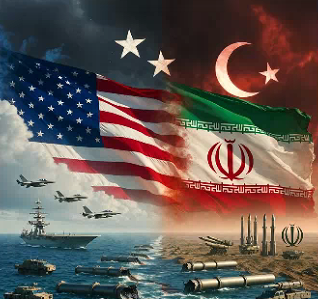
In this weeks-long conflict, Iran successfully withstood intensive attacks from the United States and Israel, while simultaneously launching retaliatory strikes against Gulf Arab states and significantly shaking global energy markets through a de facto blockade of the Strait of Hormuz. These achievements have bolstered the Iranian regime's confidence.
Mohammed Baharoon, director of the Dubai-based Bhuth Research Centre, said, “The problem is ending the war without any real results. He (Trump) might stop the war, but that doesn’t mean Iran will stop.” He added that as long as U.S. troops remain stationed at military bases in the Gulf region, Iran will continue to pose a persistent threat to the region.
This power asymmetry is precisely the core of the Gulf states' greatest concern. Iran may have increased its influence rather than decreased after the war, and could continue to threaten shipping lanes, energy flows, and regional stability, while the Gulf states would have to bear the economic losses and strategic risks brought about by this conflict alone.
Mohammed Baharoon further pointed out that the erosion of freedom of navigation in the Middle East will become a major concern for Gulf states. Iran may begin to frequently use its "territorial waters card" and establish rules in its favor in the Strait of Hormuz, a vital lifeline for global energy supplies. He stated, "This goes beyond the Strait of Hormuz; Iran has reached into the heart of the global economy." Tehran's ability to disrupt energy flows also sends a clear signal that any future attempts to attack Iran must think twice.
Political analysts point out that the United States and Israel made a fundamental miscalculation of Iran's possible response after launching an unprecedented attack on the Iranian leadership, which has only increased the risk of escalation.
Middle East scholar Fawaz Gerges stated, "Trump and Netanyahu have transformed a geopolitical conflict into a clash of religions and civilizations. They have elevated Khamenei from a controversial ruler to a martyr."
Regional analysts argue that the assumption that removing the supreme leader would lead to the collapse of the Iranian regime severely overlooks Iran's multi-layered institutional system, parallel power structures, and its long-standing resilience. The result would not be Iranian surrender, but rather radicalization, giving rise to a more angry and defiant Iran, and forcing the entire region to bear the aftermath of war.
Middle Eastern political analysts point out that the United States has clearly underestimated Iran's ability to carry out asymmetric retaliation. Iran does not need to achieve victory on the conventional battlefield; it only needs to inflict heavy losses on its adversaries. For decades, Iran has focused on finding leverage points for its adversaries rather than pursuing equal military strength, and has gradually come to regard its energy assets and the Strait of Hormuz as the core of its strategy.
By attacking energy infrastructure and threatening the Strait of Hormuz, Iran has successfully driven up global oil prices, fueled inflationary pressures, and shifted the economic burden onto the United States and its allies. Analysts believe that Iran's goal is not to win on the battlefield, but to cripple its adversaries economically.
If the war ends prematurely without sufficient security guarantees, the Gulf states will be left without effective protection, and any future retaliatory actions by Iran may no longer be limited to the region.
Iran still possesses the capability to activate its long-established global network and leverage channels built over decades to strike at the interests of Israel, the United States, and their allies far from the battlefield.
"They haven't started a full-scale operation yet, but they have a tremendous ability to punish the United States and Israel," said terrorism expert Magnus Ranstorp. He likened Iran to a hydra-like threat with tentacles that can reach far beyond the Middle East.
Regional analysts generally believe that Iran's theocratic system will continue, the regional balance of power will not undergo a fundamental change, and Iran will be seen as a more dangerous presence in the Middle East than ever before.
In conclusion , while Trump's desire to end the war with Iran quickly may ease some tensions in the short term, the conflict could easily backfire without a clear agreement and follow-up guarantees. Iran may not only fail to be defeated but could also regain its footing with a stronger stance, while the Gulf states will have to face the long-term reality of threatened energy security, high economic costs, and damaged regional stability.
The future development of the situation in the Middle East still requires close observation of the subsequent actions of all parties and the progress of negotiations.
Trump hinted that the war might end soon, but lacked follow-up guarantees.
In an interview on Wednesday, Trump said the United States would end its war against Iran "soon." He also hinted on Tuesday that he could end the conflict within weeks, even without a formal agreement.
However, analysts are generally concerned that if the conflict ends hastily without clear security guarantees, it will give Iran a significant advantage and pose a major long-term threat to the entire Gulf region.
Iran may feel more confident, while Gulf states fear paying a high price.
In this weeks-long conflict, Iran successfully withstood intensive attacks from the United States and Israel, while simultaneously launching retaliatory strikes against Gulf Arab states and significantly shaking global energy markets through a de facto blockade of the Strait of Hormuz. These achievements have bolstered the Iranian regime's confidence.
Mohammed Baharoon, director of the Dubai-based Bhuth Research Centre, said, “The problem is ending the war without any real results. He (Trump) might stop the war, but that doesn’t mean Iran will stop.” He added that as long as U.S. troops remain stationed at military bases in the Gulf region, Iran will continue to pose a persistent threat to the region.
This power asymmetry is precisely the core of the Gulf states' greatest concern. Iran may have increased its influence rather than decreased after the war, and could continue to threaten shipping lanes, energy flows, and regional stability, while the Gulf states would have to bear the economic losses and strategic risks brought about by this conflict alone.
Mohammed Baharoon further pointed out that the erosion of freedom of navigation in the Middle East will become a major concern for Gulf states. Iran may begin to frequently use its "territorial waters card" and establish rules in its favor in the Strait of Hormuz, a vital lifeline for global energy supplies. He stated, "This goes beyond the Strait of Hormuz; Iran has reached into the heart of the global economy." Tehran's ability to disrupt energy flows also sends a clear signal that any future attempts to attack Iran must think twice.
A fundamental miscalculation exacerbates the risk, and Iran may become more angry and assertive.
Political analysts point out that the United States and Israel made a fundamental miscalculation of Iran's possible response after launching an unprecedented attack on the Iranian leadership, which has only increased the risk of escalation.
Middle East scholar Fawaz Gerges stated, "Trump and Netanyahu have transformed a geopolitical conflict into a clash of religions and civilizations. They have elevated Khamenei from a controversial ruler to a martyr."
Regional analysts argue that the assumption that removing the supreme leader would lead to the collapse of the Iranian regime severely overlooks Iran's multi-layered institutional system, parallel power structures, and its long-standing resilience. The result would not be Iranian surrender, but rather radicalization, giving rise to a more angry and defiant Iran, and forcing the entire region to bear the aftermath of war.
Iran's "oil weapon" and asymmetric retaliation capabilities have been underestimated.
Middle Eastern political analysts point out that the United States has clearly underestimated Iran's ability to carry out asymmetric retaliation. Iran does not need to achieve victory on the conventional battlefield; it only needs to inflict heavy losses on its adversaries. For decades, Iran has focused on finding leverage points for its adversaries rather than pursuing equal military strength, and has gradually come to regard its energy assets and the Strait of Hormuz as the core of its strategy.
By attacking energy infrastructure and threatening the Strait of Hormuz, Iran has successfully driven up global oil prices, fueled inflationary pressures, and shifted the economic burden onto the United States and its allies. Analysts believe that Iran's goal is not to win on the battlefield, but to cripple its adversaries economically.
Gulf states face the risk of prolonged vulnerability, and Iran's global retaliation network remains intact.
If the war ends prematurely without sufficient security guarantees, the Gulf states will be left without effective protection, and any future retaliatory actions by Iran may no longer be limited to the region.
Iran still possesses the capability to activate its long-established global network and leverage channels built over decades to strike at the interests of Israel, the United States, and their allies far from the battlefield.
"They haven't started a full-scale operation yet, but they have a tremendous ability to punish the United States and Israel," said terrorism expert Magnus Ranstorp. He likened Iran to a hydra-like threat with tentacles that can reach far beyond the Middle East.
Regional analysts generally believe that Iran's theocratic system will continue, the regional balance of power will not undergo a fundamental change, and Iran will be seen as a more dangerous presence in the Middle East than ever before.
In conclusion , while Trump's desire to end the war with Iran quickly may ease some tensions in the short term, the conflict could easily backfire without a clear agreement and follow-up guarantees. Iran may not only fail to be defeated but could also regain its footing with a stronger stance, while the Gulf states will have to face the long-term reality of threatened energy security, high economic costs, and damaged regional stability.
The future development of the situation in the Middle East still requires close observation of the subsequent actions of all parties and the progress of negotiations.
- Risk Warning and Disclaimer
- The market involves risk, and trading may not be suitable for all investors. This article is for reference only and does not constitute personal investment advice, nor does it take into account certain users’ specific investment objectives, financial situation, or other needs. Any investment decisions made based on this information are at your own risk.