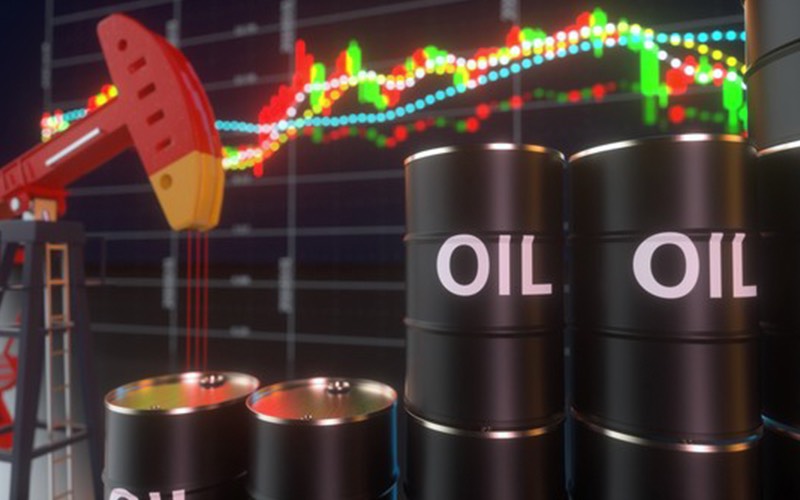
Trump announces full opening of the Strait of Hormuz, causing oil prices to plummet by 10%.
2026-04-18 01:25:36
On Friday (April 17), Iranian Foreign Minister Abbas Araqchi announced that the Strait of Hormuz would be "fully open" to commercial shipping for the remainder of the US-Iran ceasefire, a statement that was immediately met with public thanks from President Trump.
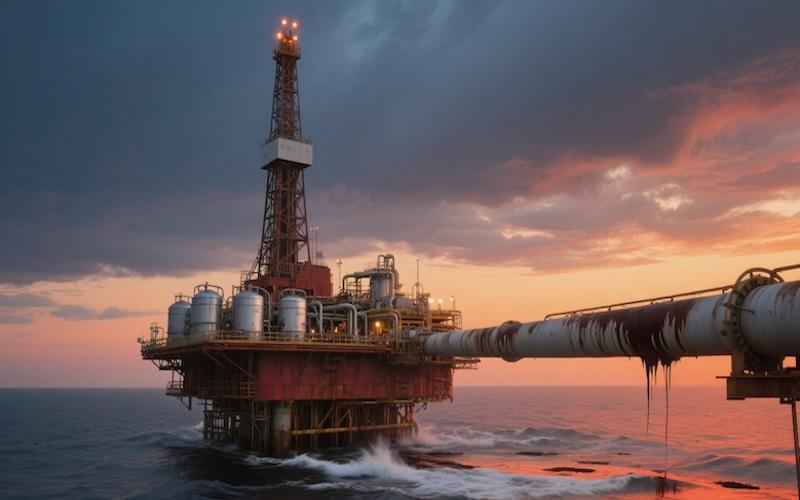
Araghshi wrote on the X platform: "In line with the ceasefire agreement in Lebanon, all commercial vessels are free to transit the Strait of Hormuz through the ports of the Islamic Republic of Iran and the coordinated routes announced by the Maritime Organization during the remainder of the ceasefire."
Trump responded with two posts on the “real social” platform. The first was very brief, simply stating that the strait was open.
The second post details the actual impact of this blockade, stating that the US naval blockade of Iranian ports will remain in effect until an agreement is reached.
On the same day the statement was released, a 10-day ceasefire agreement between Israel and Lebanon officially came into effect, and Lebanese President Joseph Aoun called direct negotiations with Israel "delicate and crucial."
In his address to lawmakers, Aoun called on Israel to withdraw its troops, release prisoners, and resolve the border dispute, viewing the ceasefire as a stepping stone to further negotiations.
If the opening of the Strait of Hormuz continues, it will be a significant turning point in the crisis that has been destabilizing global energy markets since the US-Israel airstrikes against Iran on February 28.
In response, Tehran closed the Strait of Hormuz—through which approximately 20% of the world's daily oil supply is transported—and launched missile and drone attacks on Israeli and U.S. military bases. Major shipping companies such as Maersk, CMA CGM, and Hapag-Lloyd almost immediately suspended operations through the strait.
The actual significance of this reopening remains unclear.
Araqchi's statement explicitly mentioned "coordinating shipping routes"—a point that, given Iran's history of having the right to control shipping traffic throughout the ceasefire, leaves people with little confidence in its validity.
The US naval blockade of Iranian ports continues. This blockade, imposed by the Trump administration earlier this month after US-Iran negotiations broke down in Islamabad, targets ships entering and leaving Iranian ports and coastal areas, while...theoretically...guaranteeing freedom of navigation for ships heading to non-Iranian ports.
There is at least one concrete sign of progress.
According to ship tracking data compiled by Bloomberg, the Pakistani-flagged Aframax tanker "Shalamar" became the first vessel carrying crude oil to pass through the Strait of Hormuz since the blockade began on Monday.
The oil tanker, carrying approximately 450,000 barrels of crude oil from Das Island (a non-Iranian port) in the UAE, is currently in the Gulf of Oman, en route to Karachi. The tanker had previously abandoned an attempt to enter the Gulf after news broke on April 12 that negotiations in Islamabad had broken down. Besides the "Salama," maritime news agency Windward reported that as of Tuesday, there were 823 vessels in the Gulf region, but no signs of a return to normal navigation patterns.
Britain and France will hold an online summit on Friday to discuss restoring freedom of navigation in the strait, with mine clearance being a key focus. The U.S. Central Command has begun mine clearance operations in the strait, although Iran has previously accused the U.S. of violating the ceasefire agreement.
The economic risks of this incident are enormous.
Goldman Sachs warned that if the Strait of Hormuz remains closed for another month, Brent crude oil prices will average over $100 per barrel this year. Wood Mackenzie estimates that a Brent crude oil price of $100 per barrel would reduce global economic growth to 1.7%, lower than the pre-war forecast of 2.5%; if oil prices rise to $200 per barrel, the world could fall into recession.
Pakistan continues to mediate between Washington and Tehran, striving to broker a permanent peace agreement.
As analysts have consistently pointed out, whether today's statement regarding the Strait of Hormuz is a genuine shift or just another temporary measure depends not on the statement itself... but on whether ships can actually pass through the strait.
Araghshi wrote on the X platform: "In line with the ceasefire agreement in Lebanon, all commercial vessels are free to transit the Strait of Hormuz through the ports of the Islamic Republic of Iran and the coordinated routes announced by the Maritime Organization during the remainder of the ceasefire."
Trump responded with two posts on the “real social” platform. The first was very brief, simply stating that the strait was open.
The second post details the actual impact of this blockade, stating that the US naval blockade of Iranian ports will remain in effect until an agreement is reached.
On the same day the statement was released, a 10-day ceasefire agreement between Israel and Lebanon officially came into effect, and Lebanese President Joseph Aoun called direct negotiations with Israel "delicate and crucial."
In his address to lawmakers, Aoun called on Israel to withdraw its troops, release prisoners, and resolve the border dispute, viewing the ceasefire as a stepping stone to further negotiations.
If the opening of the Strait of Hormuz continues, it will be a significant turning point in the crisis that has been destabilizing global energy markets since the US-Israel airstrikes against Iran on February 28.
In response, Tehran closed the Strait of Hormuz—through which approximately 20% of the world's daily oil supply is transported—and launched missile and drone attacks on Israeli and U.S. military bases. Major shipping companies such as Maersk, CMA CGM, and Hapag-Lloyd almost immediately suspended operations through the strait.
The actual significance of this reopening remains unclear.
Araqchi's statement explicitly mentioned "coordinating shipping routes"—a point that, given Iran's history of having the right to control shipping traffic throughout the ceasefire, leaves people with little confidence in its validity.
The US naval blockade of Iranian ports continues. This blockade, imposed by the Trump administration earlier this month after US-Iran negotiations broke down in Islamabad, targets ships entering and leaving Iranian ports and coastal areas, while...theoretically...guaranteeing freedom of navigation for ships heading to non-Iranian ports.
There is at least one concrete sign of progress.
According to ship tracking data compiled by Bloomberg, the Pakistani-flagged Aframax tanker "Shalamar" became the first vessel carrying crude oil to pass through the Strait of Hormuz since the blockade began on Monday.
The oil tanker, carrying approximately 450,000 barrels of crude oil from Das Island (a non-Iranian port) in the UAE, is currently in the Gulf of Oman, en route to Karachi. The tanker had previously abandoned an attempt to enter the Gulf after news broke on April 12 that negotiations in Islamabad had broken down. Besides the "Salama," maritime news agency Windward reported that as of Tuesday, there were 823 vessels in the Gulf region, but no signs of a return to normal navigation patterns.
Britain and France will hold an online summit on Friday to discuss restoring freedom of navigation in the strait, with mine clearance being a key focus. The U.S. Central Command has begun mine clearance operations in the strait, although Iran has previously accused the U.S. of violating the ceasefire agreement.
The economic risks of this incident are enormous.
Goldman Sachs warned that if the Strait of Hormuz remains closed for another month, Brent crude oil prices will average over $100 per barrel this year. Wood Mackenzie estimates that a Brent crude oil price of $100 per barrel would reduce global economic growth to 1.7%, lower than the pre-war forecast of 2.5%; if oil prices rise to $200 per barrel, the world could fall into recession.
Pakistan continues to mediate between Washington and Tehran, striving to broker a permanent peace agreement.
As analysts have consistently pointed out, whether today's statement regarding the Strait of Hormuz is a genuine shift or just another temporary measure depends not on the statement itself... but on whether ships can actually pass through the strait.
- Risk Warning and Disclaimer
- The market involves risk, and trading may not be suitable for all investors. This article is for reference only and does not constitute personal investment advice, nor does it take into account certain users’ specific investment objectives, financial situation, or other needs. Any investment decisions made based on this information are at your own risk.