With April 22nd approaching, can the technical bottom for gold hold?
2026-04-20 15:58:07
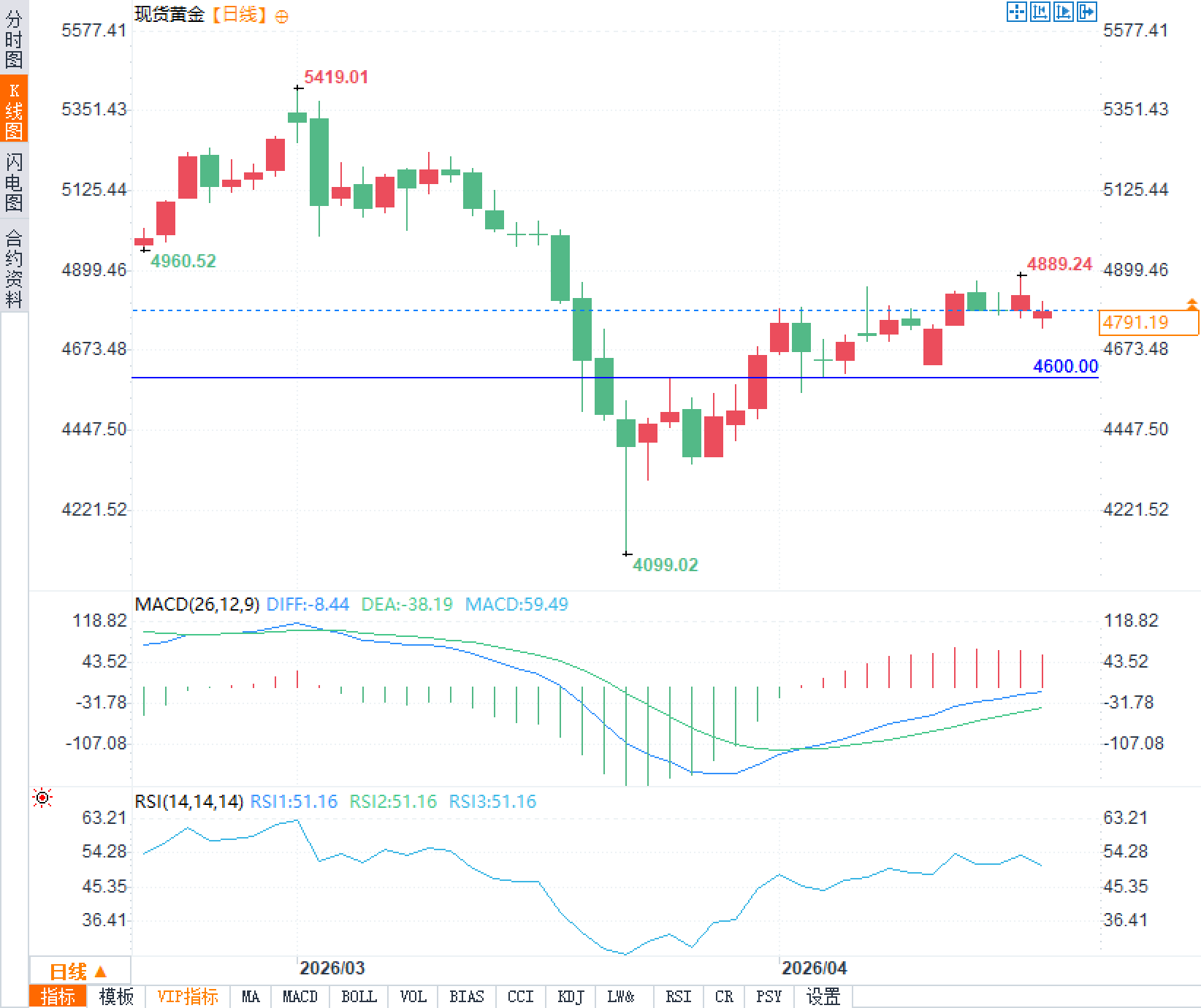
On Monday, April 20th, spot gold opened under pressure and is currently trading around $4790 per ounce, down about 0.8% on the day. WTI crude oil prices rose to $88 per barrel, an increase of over 5%, while Brent crude oil rose to around $95 per barrel, an increase of about 4.7%. The US dollar index remained slightly stronger around 98.3, and the yield on the 10-year US Treasury note rose to 4.27%.
These changes stem directly from the latest developments in tensions between the United States and Iran: the risk of renewed conflict around the Strait of Hormuz, the fragile ceasefire agreement facing pressure to expire on Wednesday, April 22, and Pakistan intensifying diplomatic efforts to push for talks between the two sides to begin as early as Tuesday. Against this backdrop, gold, as a non-yielding asset, has seen its safe-haven premium eroded by a strong dollar and high yields.
The confrontation between the US and Iran in the Strait of Hormuz has escalated further over the weekend. The US reported friction with Iranian cargo ships, while Iranian officials warned of a possible military response and explicitly rejected a new round of peace talks. Iran reiterated that maintaining control of the strait is a key bargaining chip, and that it might only partially ease passage restrictions, rather than fully open it. This directly fueled market concerns about energy supply disruptions, leading to a rebound in oil prices. Rising oil prices not only amplified global inflation expectations but also strengthened the safe-haven appeal of the US dollar, thus directly suppressing gold prices. Although gold briefly rebounded last week due to a weaker dollar, current geopolitical uncertainties and the linkage between energy prices are firmly capping any upside potential for gold.
The rapid rise in crude oil prices is directly transmitting to inflation expectations through energy costs. The market generally believes this may slow the pace of the Federal Reserve's policy easing, even if the federal funds rate remains in the 3.5%-3.75% range. A higher inflation path is pushing up US Treasury yields, with the 10-year yield having stabilized at 4.27%, further solidifying the dollar's exchange rate. Gold, as a zero-interest asset, is less attractive in this environment. Traders observed that last week's weaker dollar briefly benefited gold's rebound, but current oil-driven inflation signals have reversed this dynamic. The high-yield environment continues to suppress non-yielding assets, while geopolitical risks, although providing some support, are insufficient to completely offset the selling pressure at the macro level. In the short term, gold prices will fluctuate around the dollar and yield movements.
Despite short-term pressure, the overall technical structure of spot gold remains intact. Prices are currently holding above the key upward trendline support level of approximately $4770/oz. If this level continues to hold, gold prices are expected to stabilize and attempt a rebound; conversely, a break below could trigger a deeper pullback. The 100-day moving average, located around $4720/oz, provides further technical support. If geopolitical headlines ease or the oil price rally slows, the intact technical structure will provide room for upward correction in gold. Overall, the long-term trend remains supportive, but the recent consolidation phase requires the market to remain highly vigilant.
Pakistan has intensified diplomatic efforts since Sunday to facilitate talks between the US and Iran as early as Tuesday. The US president expressed continued optimism about a deal and sent representatives to Islamabad, but Iran has not yet confirmed its participation. The ceasefire agreement expires on April 22, and market volatility is expected to remain high without substantial progress. Traders are weighing every diplomatic signal: optimistic expectations may temporarily ease pressure on oil prices, but Iran's insistence on control of the Straits suggests a comprehensive agreement is unlikely. In the short term, gold will continue to fluctuate driven by these headlines, and any unexpected escalation or de-escalation could trigger sharp price movements.
These changes stem directly from the latest developments in tensions between the United States and Iran: the risk of renewed conflict around the Strait of Hormuz, the fragile ceasefire agreement facing pressure to expire on Wednesday, April 22, and Pakistan intensifying diplomatic efforts to push for talks between the two sides to begin as early as Tuesday. Against this backdrop, gold, as a non-yielding asset, has seen its safe-haven premium eroded by a strong dollar and high yields.
Escalating geopolitical risks coupled with concerns about energy supply
The confrontation between the US and Iran in the Strait of Hormuz has escalated further over the weekend. The US reported friction with Iranian cargo ships, while Iranian officials warned of a possible military response and explicitly rejected a new round of peace talks. Iran reiterated that maintaining control of the strait is a key bargaining chip, and that it might only partially ease passage restrictions, rather than fully open it. This directly fueled market concerns about energy supply disruptions, leading to a rebound in oil prices. Rising oil prices not only amplified global inflation expectations but also strengthened the safe-haven appeal of the US dollar, thus directly suppressing gold prices. Although gold briefly rebounded last week due to a weaker dollar, current geopolitical uncertainties and the linkage between energy prices are firmly capping any upside potential for gold.
Oil price inflation transmission strengthens the relationship between the US dollar and yields
The rapid rise in crude oil prices is directly transmitting to inflation expectations through energy costs. The market generally believes this may slow the pace of the Federal Reserve's policy easing, even if the federal funds rate remains in the 3.5%-3.75% range. A higher inflation path is pushing up US Treasury yields, with the 10-year yield having stabilized at 4.27%, further solidifying the dollar's exchange rate. Gold, as a zero-interest asset, is less attractive in this environment. Traders observed that last week's weaker dollar briefly benefited gold's rebound, but current oil-driven inflation signals have reversed this dynamic. The high-yield environment continues to suppress non-yielding assets, while geopolitical risks, although providing some support, are insufficient to completely offset the selling pressure at the macro level. In the short term, gold prices will fluctuate around the dollar and yield movements.
The technical structure remains intact and its long-term support is still intact.
Despite short-term pressure, the overall technical structure of spot gold remains intact. Prices are currently holding above the key upward trendline support level of approximately $4770/oz. If this level continues to hold, gold prices are expected to stabilize and attempt a rebound; conversely, a break below could trigger a deeper pullback. The 100-day moving average, located around $4720/oz, provides further technical support. If geopolitical headlines ease or the oil price rally slows, the intact technical structure will provide room for upward correction in gold. Overall, the long-term trend remains supportive, but the recent consolidation phase requires the market to remain highly vigilant.
Diplomatic maneuvering dynamics and short-term market expectations
Pakistan has intensified diplomatic efforts since Sunday to facilitate talks between the US and Iran as early as Tuesday. The US president expressed continued optimism about a deal and sent representatives to Islamabad, but Iran has not yet confirmed its participation. The ceasefire agreement expires on April 22, and market volatility is expected to remain high without substantial progress. Traders are weighing every diplomatic signal: optimistic expectations may temporarily ease pressure on oil prices, but Iran's insistence on control of the Straits suggests a comprehensive agreement is unlikely. In the short term, gold will continue to fluctuate driven by these headlines, and any unexpected escalation or de-escalation could trigger sharp price movements.
Frequently Asked Questions
Question 1: Why did escalating geopolitical tensions suppress gold prices?
A: While geopolitical risks traditionally favor safe-haven demand for gold, the current surge in oil prices has directly pushed up inflation expectations, leading to a stronger dollar and higher yields. As a non-yielding asset, gold's holding costs have increased relatively, and safe-haven buying has been offset by macroeconomic selling pressure, resulting in short-term downward pressure.
Question 2: What impact will the surge in oil prices have on the Federal Reserve's policy path?
A: Rising energy prices will increase overall inflation data, potentially delaying the pace of interest rate cuts by the Federal Reserve. Even if interest rates remain stable at present, adjustments in market expectations for further easing will strengthen support for the US dollar, further limiting the upside potential for gold. Traders should closely monitor subsequent inflation data and statements from Federal Reserve officials.
- Risk Warning and Disclaimer
- The market involves risk, and trading may not be suitable for all investors. This article is for reference only and does not constitute personal investment advice, nor does it take into account certain users’ specific investment objectives, financial situation, or other needs. Any investment decisions made based on this information are at your own risk.