Bank of America warns of Warsh's proposed new rules for measuring inflation.
2026-04-23 14:27:35
Kevin Warsh, President Trump's nominee for Federal Reserve Chairman, recently made a significant statement at his Senate hearing, explicitly proposing that the Fed completely change its current inflation measurement strategy. This proposal has immediately attracted widespread attention in the financial world, and urgent warnings from Bank of America economists have cast doubt on the feasibility of this suggestion.
Overall, Warsh's inflation reform ideas seem mild, but they actually harbor hidden concerns. Whether they can be implemented in the end and what impact they will have on the US economy have become the focus of the market's attention.
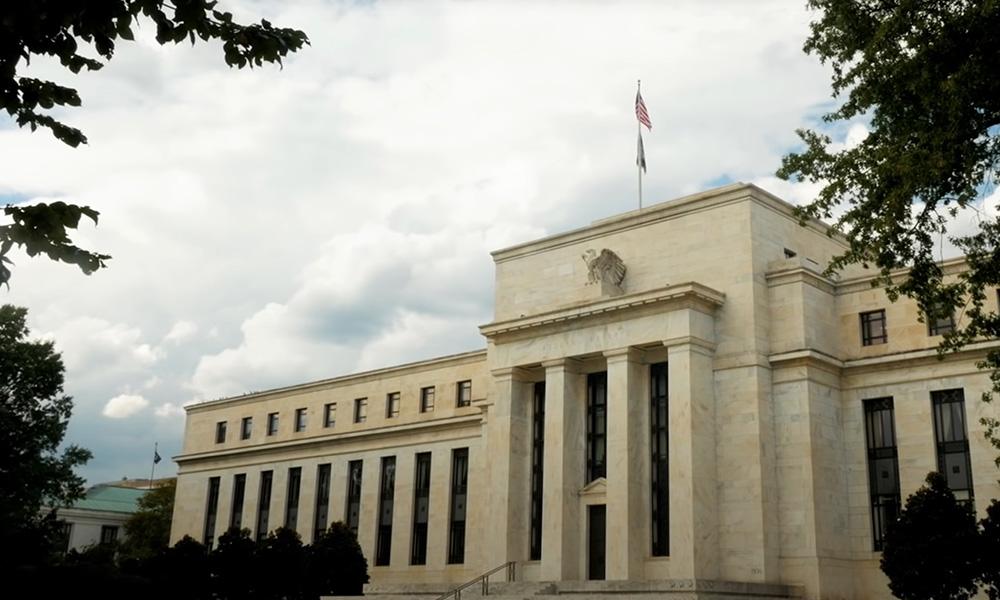
For a long time, the Federal Reserve has used the core PCE as its primary indicator for measuring inflation. The key advantage of this indicator is that it excludes volatile food and energy prices, thus reflecting the true trend of inflation more objectively. However, Warsh believes that this is not enough. At his Senate hearing on Tuesday (April 21), he made it clear that he is more concerned with the "underlying inflation rate" rather than one-off price changes caused by geopolitical changes or fluctuations in the prices of individual commodities.
Walsh further added that he prefers to use the "truncated average" metric to measure inflation. Specifically, when calculating overall inflation data, all extreme tail risks and one-off items are removed, and the focus is on whether general price changes have a second-order effect on the economy, that is, an indirect impact.
Following this line of thinking, current inflation data will appear more moderate. Bank of America's calculations show that as of February, the 12-month inflation index calculated using the truncated method had an average of 2.3% and a median of 2.8%, while the core PCE was 3.0% during the same period. This is the core basis for Warsh's statement at the hearing that the current inflation trend is "quite favorable".
Just after Warsh unveiled his inflation reform proposals, Bank of America economist Aditya Bhave issued a clear warning about the idea on Wednesday.
He stated that Warsh's proposed adjustment to the way inflation is measured is part of his commitment to a broader "mechanism shift" for the Federal Reserve, but the actual effect may not be as he hopes.
Barway explained that while Warsh hoped to eliminate extreme price shocks through truncation, this approach might allow food and energy prices, currently excluded from core PCE, to have a greater impact on the Fed's policy. Even if extreme volatility in food and energy prices is truncation-free, they could indirectly push up the truncation mean , which contradicts Warsh's previous argument of "ignoring one-off, supply-driven price increases," making it rather ironic.
More importantly, removing only the most extreme inflation data could allow some mild inflation fluctuations caused by jumps in food and energy prices to quietly be included in the inflation reading, resulting in the final inflation figure being higher than the Fed's current preference for core PCE.
Historical data from Bank of America also confirms this. In 2019 and 2020, the cut-off median inflation rate tracked by the bank was higher than the core PCE. If the cut-off method had been used at that time, it would have prompted the Federal Reserve to take a more hawkish stance, that is, to be inclined to raise interest rates and tighten monetary policy.
Barway further pointed out that if the cutoff inflation rate exceeds the core PCE in the future, Warsh will be in a dilemma: in order to maintain the credibility of the Federal Reserve and avoid being accused of "picking data", he must stick to his preferred cutoff indicator, which will undoubtedly restrict his policy-making space.
Beyond policy concerns, Warsh's stance has also drawn considerable criticism. Critics argue that he might steer the Federal Reserve toward appeasing Trump, prioritizing his demands over the best interests of the US economy. Although Warsh refuted the claim of "cutting rates solely at Trump's request" at Tuesday's hearing, the former Fed governor still faced tough questioning from senators regarding his enormous wealth and his ability to distance himself from Trump.
Overall , Warsh's proposed reforms to the inflation measurement strategy, while seemingly aimed at making inflation data more "moderate," actually harbor many uncertainties. Bank of America's warning also reminds the market that if this reform is implemented, it could trigger a series of chain reactions. Whether Warsh can be successfully elected as the Federal Reserve Chairman and whether his inflation reform proposals can ultimately be implemented remain to be seen.
Overall, Warsh's inflation reform ideas seem mild, but they actually harbor hidden concerns. Whether they can be implemented in the end and what impact they will have on the US economy have become the focus of the market's attention.
Key proposal: Abandon traditional indicators and use the "truncated method" to measure inflation.
For a long time, the Federal Reserve has used the core PCE as its primary indicator for measuring inflation. The key advantage of this indicator is that it excludes volatile food and energy prices, thus reflecting the true trend of inflation more objectively. However, Warsh believes that this is not enough. At his Senate hearing on Tuesday (April 21), he made it clear that he is more concerned with the "underlying inflation rate" rather than one-off price changes caused by geopolitical changes or fluctuations in the prices of individual commodities.
Walsh further added that he prefers to use the "truncated average" metric to measure inflation. Specifically, when calculating overall inflation data, all extreme tail risks and one-off items are removed, and the focus is on whether general price changes have a second-order effect on the economy, that is, an indirect impact.
Following this line of thinking, current inflation data will appear more moderate. Bank of America's calculations show that as of February, the 12-month inflation index calculated using the truncated method had an average of 2.3% and a median of 2.8%, while the core PCE was 3.0% during the same period. This is the core basis for Warsh's statement at the hearing that the current inflation trend is "quite favorable".
Bank of America warns that reforms may "backfire" and instead push up inflation figures.
Just after Warsh unveiled his inflation reform proposals, Bank of America economist Aditya Bhave issued a clear warning about the idea on Wednesday.
He stated that Warsh's proposed adjustment to the way inflation is measured is part of his commitment to a broader "mechanism shift" for the Federal Reserve, but the actual effect may not be as he hopes.
Barway explained that while Warsh hoped to eliminate extreme price shocks through truncation, this approach might allow food and energy prices, currently excluded from core PCE, to have a greater impact on the Fed's policy. Even if extreme volatility in food and energy prices is truncation-free, they could indirectly push up the truncation mean , which contradicts Warsh's previous argument of "ignoring one-off, supply-driven price increases," making it rather ironic.
More importantly, removing only the most extreme inflation data could allow some mild inflation fluctuations caused by jumps in food and energy prices to quietly be included in the inflation reading, resulting in the final inflation figure being higher than the Fed's current preference for core PCE.
Historical data from Bank of America also confirms this. In 2019 and 2020, the cut-off median inflation rate tracked by the bank was higher than the core PCE. If the cut-off method had been used at that time, it would have prompted the Federal Reserve to take a more hawkish stance, that is, to be inclined to raise interest rates and tighten monetary policy.
Numerous hidden concerns: Walsh may be "bound" by his own beliefs and also faces questions about his credibility.
Barway further pointed out that if the cutoff inflation rate exceeds the core PCE in the future, Warsh will be in a dilemma: in order to maintain the credibility of the Federal Reserve and avoid being accused of "picking data", he must stick to his preferred cutoff indicator, which will undoubtedly restrict his policy-making space.
Beyond policy concerns, Warsh's stance has also drawn considerable criticism. Critics argue that he might steer the Federal Reserve toward appeasing Trump, prioritizing his demands over the best interests of the US economy. Although Warsh refuted the claim of "cutting rates solely at Trump's request" at Tuesday's hearing, the former Fed governor still faced tough questioning from senators regarding his enormous wealth and his ability to distance himself from Trump.
Overall , Warsh's proposed reforms to the inflation measurement strategy, while seemingly aimed at making inflation data more "moderate," actually harbor many uncertainties. Bank of America's warning also reminds the market that if this reform is implemented, it could trigger a series of chain reactions. Whether Warsh can be successfully elected as the Federal Reserve Chairman and whether his inflation reform proposals can ultimately be implemented remain to be seen.
- Risk Warning and Disclaimer
- The market involves risk, and trading may not be suitable for all investors. This article is for reference only and does not constitute personal investment advice, nor does it take into account certain users’ specific investment objectives, financial situation, or other needs. Any investment decisions made based on this information are at your own risk.