The foreign exchange market ignores the hawkish stance of central banks, and currencies of oil-exporting countries become new favorites.
2026-04-28 18:59:49
In the latest developments in the global foreign exchange market, currencies of oil-exporting countries are becoming highly sought-after by investors, supported by strong oil price increases. Meanwhile, the Bank of Japan's hawkish stance is resurfacing, pushing the USD/JPY exchange rate further down.
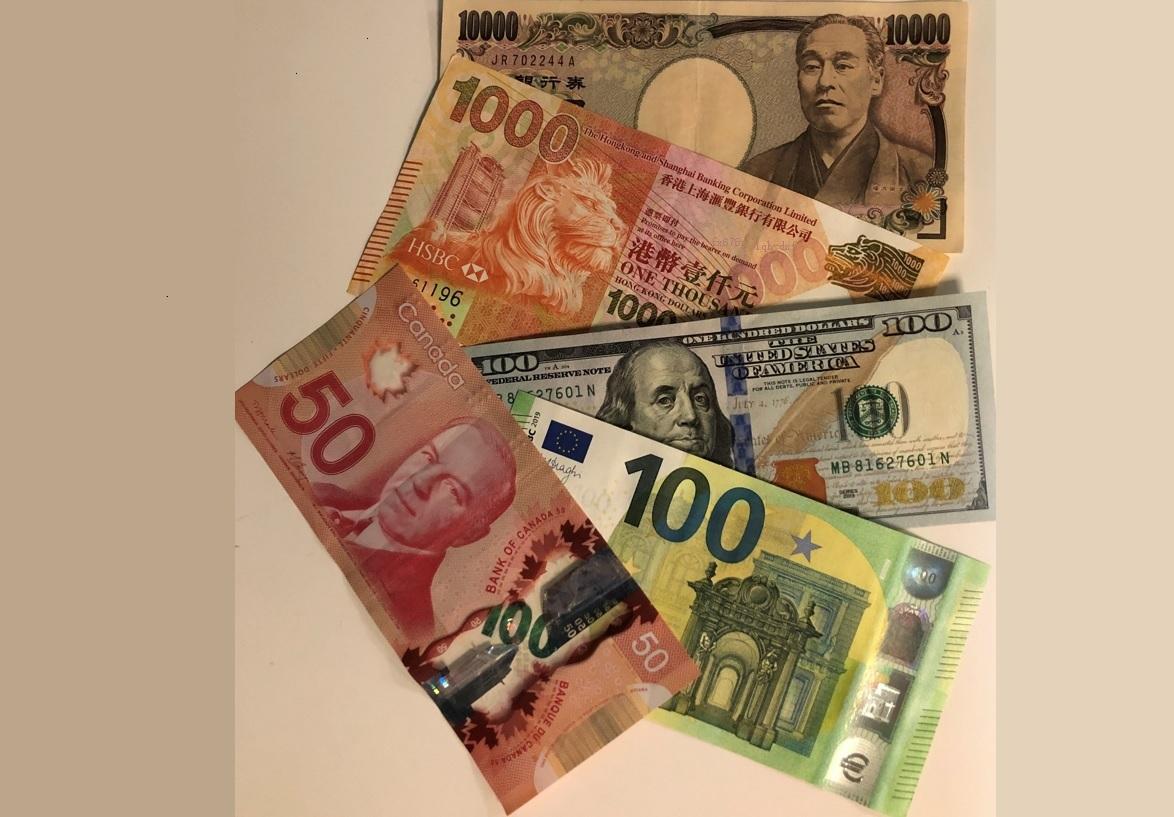
The US dollar index has recently strengthened, driven by two factors: firstly, the continued rise in international oil prices has provided fundamental support for the dollar; secondly, the market is skeptical of the hawkish rhetoric from the Federal Reserve's competitors, such as the European Central Bank (ECB). Although these central banks have claimed they may soon raise interest rates, the market generally believes that against the backdrop of slowing global economic growth, central banks have limited room to implement monetary tightening policies, making actual implementation extremely difficult. It is understood that the ECB and other major economic regulators are expected to maintain current interest rates at the end of April, only releasing potential rate hike signals through policy statements. However, considering the continued weakness in the Eurozone manufacturing PMI and sluggish recovery in consumer demand, such hawkish statements seem more like a symbolic gesture.
In the international crude oil market, Brent crude and West Texas Intermediate (WTI) crude prices continued their upward trend, primarily driven by the United States' explicit rejection of Iran's proposal to reopen the Strait of Hormuz. The White House emphasized that the Strait of Hormuz, a vital passage for approximately one-third of global maritime oil trade, poses a serious threat to global energy security if controlled by Iran, a stance that remains unwavering. A recent forecast from Citigroup indicates that if supply disruptions in the Strait of Hormuz persist until the end of June, the average price of Brent crude in the second quarter could surge to $130 per barrel, further enhancing the attractiveness of oil-related assets.
In this market environment, shifting towards oil-exporting currencies has become a consensus strategy among institutional investors. JPMorgan and Deutsche Bank explicitly recommend buying the Norwegian krone (NOK) and the Australian dollar (AUD), particularly recommending currency pairs against the Japanese yen (JPY) and the Swiss franc (CHF)—these two currencies tend to underperform during periods of rising risk appetite and commodity prices. Norway, as a major European oil exporter, and Australia, as a major energy and mineral resource producer, have currencies highly correlated with oil prices. Pioneer Group offers a more diversified allocation strategy, suggesting buying the Kazakhstani tenge, the Brazilian real, and the Nigerian naira to hedge against the risk of a basket of currencies consisting of the US dollar and the euro. These emerging market oil-exporting currencies were previously undervalued due to the strength of the US dollar and are now poised for valuation recovery. Furthermore, a research report from Amundi Investment Management points out that the Canadian dollar (CAD), the Australian dollar, and the Norwegian krone are currently valued significantly below their fundamental value, indicating substantial upside potential.
Market divergence persists regarding the European Central Bank's (ECB) policy direction. Industry experts generally believe that the ECB should not rush to raise interest rates, but to address persistently high inflationary pressures, it will likely opt for hawkish rhetoric to demonstrate its resolve against inflation. Credit Agricole characterizes this stance as "hawkish bluff," with analysts pointing out that given the continued weakening of Eurozone economic growth momentum and the escalating risk of stagflation—a coexistence of declining industrial output and sticky inflation—the likelihood of raising deposit rates in 2026 is extremely low.
In summary, the wait-and-see attitude of major central banks worldwide at the end of April, coupled with the strong rise in international oil prices, created a favorable environment for a stronger US dollar. However, it should be noted that the continuous record highs of major global stock indices, including US stocks, and the resulting increase in market risk appetite are weakening the safe-haven asset status of the US dollar, which poses a potential constraint on the upward movement of the dollar index.
The Bank of Japan recently raised its inflation forecast to 2.6%, and significant divisions emerged within its policy committee, providing continued momentum for a rebound in the USD/JPY pair. At its April policy meeting, three of the nine committee members voted to raise the overnight rate from 0.75% to 1%, compared to only one member in March. This increase in hawkish members provided medium-term support for the yen. Meanwhile, the Japanese government continued to stabilize the foreign exchange market through verbal intervention. This short-term policy support, combined with the rise of hawkish forces within the central bank, effectively suppressed the upside potential of the USD/JPY pair.
The US dollar index has recently strengthened, driven by two factors: firstly, the continued rise in international oil prices has provided fundamental support for the dollar; secondly, the market is skeptical of the hawkish rhetoric from the Federal Reserve's competitors, such as the European Central Bank (ECB). Although these central banks have claimed they may soon raise interest rates, the market generally believes that against the backdrop of slowing global economic growth, central banks have limited room to implement monetary tightening policies, making actual implementation extremely difficult. It is understood that the ECB and other major economic regulators are expected to maintain current interest rates at the end of April, only releasing potential rate hike signals through policy statements. However, considering the continued weakness in the Eurozone manufacturing PMI and sluggish recovery in consumer demand, such hawkish statements seem more like a symbolic gesture.
In the international crude oil market, Brent crude and West Texas Intermediate (WTI) crude prices continued their upward trend, primarily driven by the United States' explicit rejection of Iran's proposal to reopen the Strait of Hormuz. The White House emphasized that the Strait of Hormuz, a vital passage for approximately one-third of global maritime oil trade, poses a serious threat to global energy security if controlled by Iran, a stance that remains unwavering. A recent forecast from Citigroup indicates that if supply disruptions in the Strait of Hormuz persist until the end of June, the average price of Brent crude in the second quarter could surge to $130 per barrel, further enhancing the attractiveness of oil-related assets.
In this market environment, shifting towards oil-exporting currencies has become a consensus strategy among institutional investors. JPMorgan and Deutsche Bank explicitly recommend buying the Norwegian krone (NOK) and the Australian dollar (AUD), particularly recommending currency pairs against the Japanese yen (JPY) and the Swiss franc (CHF)—these two currencies tend to underperform during periods of rising risk appetite and commodity prices. Norway, as a major European oil exporter, and Australia, as a major energy and mineral resource producer, have currencies highly correlated with oil prices. Pioneer Group offers a more diversified allocation strategy, suggesting buying the Kazakhstani tenge, the Brazilian real, and the Nigerian naira to hedge against the risk of a basket of currencies consisting of the US dollar and the euro. These emerging market oil-exporting currencies were previously undervalued due to the strength of the US dollar and are now poised for valuation recovery. Furthermore, a research report from Amundi Investment Management points out that the Canadian dollar (CAD), the Australian dollar, and the Norwegian krone are currently valued significantly below their fundamental value, indicating substantial upside potential.
Market divergence persists regarding the European Central Bank's (ECB) policy direction. Industry experts generally believe that the ECB should not rush to raise interest rates, but to address persistently high inflationary pressures, it will likely opt for hawkish rhetoric to demonstrate its resolve against inflation. Credit Agricole characterizes this stance as "hawkish bluff," with analysts pointing out that given the continued weakening of Eurozone economic growth momentum and the escalating risk of stagflation—a coexistence of declining industrial output and sticky inflation—the likelihood of raising deposit rates in 2026 is extremely low.
In summary, the wait-and-see attitude of major central banks worldwide at the end of April, coupled with the strong rise in international oil prices, created a favorable environment for a stronger US dollar. However, it should be noted that the continuous record highs of major global stock indices, including US stocks, and the resulting increase in market risk appetite are weakening the safe-haven asset status of the US dollar, which poses a potential constraint on the upward movement of the dollar index.
The Bank of Japan recently raised its inflation forecast to 2.6%, and significant divisions emerged within its policy committee, providing continued momentum for a rebound in the USD/JPY pair. At its April policy meeting, three of the nine committee members voted to raise the overnight rate from 0.75% to 1%, compared to only one member in March. This increase in hawkish members provided medium-term support for the yen. Meanwhile, the Japanese government continued to stabilize the foreign exchange market through verbal intervention. This short-term policy support, combined with the rise of hawkish forces within the central bank, effectively suppressed the upside potential of the USD/JPY pair.
- Risk Warning and Disclaimer
- The market involves risk, and trading may not be suitable for all investors. This article is for reference only and does not constitute personal investment advice, nor does it take into account certain users’ specific investment objectives, financial situation, or other needs. Any investment decisions made based on this information are at your own risk.