The dollar's hegemony is gradually shrinking, but it is far from collapsing.
2026-04-29 17:59:02
The US dollar's share of global foreign exchange reserves has steadily declined from its peak of 72% in 2001 to approximately 57.8% by the end of 2024. "De-dollarization" is an irreversible, long-term structural trend, but it has not yet evolved into a systemic dollar crisis. Central banks around the world are increasing their gold purchases and actively promoting the diversification of their foreign exchange reserve structures.
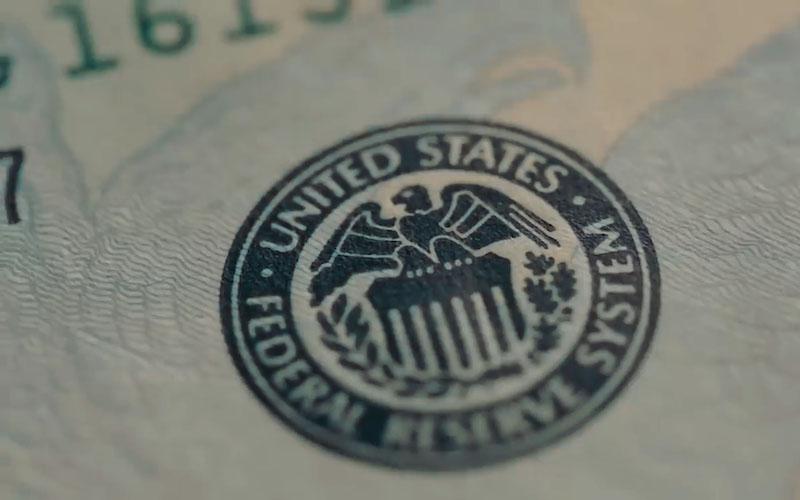
The Cross-border Interbank Payment System (CIPS), bilateral local currency trade settlement, gold reserves, and cryptocurrency payment channels are working together to build a diversified system to replace the US dollar.
The continued purchase of US assets by overseas investors fully demonstrates that global confidence in the US market remains strong in the long term.
The US dollar has not collapsed, but its exclusive global privileges are slowly fading. For decades, the dollar has firmly monopolized global foreign exchange reserves, international trade settlement channels, and the sovereign bond market. This unique hegemonic position has allowed the United States to enjoy low-cost borrowing for a long time, continuously generate huge global demand for US Treasury bonds, and thereby possess overwhelming financial influence.
Today, this pattern, which has lasted for decades, is facing unprecedented challenges. Although the US dollar remains the core of global finance, more and more countries are seeking to break away from the payment and settlement system controlled by the United States and actively reduce their over-reliance on the dollar, for reasons of security and autonomy.
De-dollarization does not mean the complete collapse of the dollar.
De-dollarization is not something that can be achieved overnight or by completely severing ties with the dollar; rather, it is a slow and steady process: countries gradually reduce their dependence on the dollar in several key areas, such as foreign exchange reserves, international trade, and the bond market.
The process accelerated significantly after Russia's foreign exchange reserves were frozen in 2022. This event profoundly demonstrated to various countries that dollar assets could be frozen and rendered unusable instantly due to unilateral US policy decisions. Subsequently, more countries decisively increased their gold reserves, significantly expanded the scale of their own currency settlements, and actively explored various alternative payment systems.
Gold and alternative payment channels are experiencing a strong rise.
Between 2022 and 2024, central banks around the world purchased an average of over 1,000 tons of gold annually, and in 2025 they continued to increase their gold holdings by 863 tons. This move is essentially a collective choice by countries to mitigate geopolitical risks and diversify their foreign exchange reserves.
China's Cross-Border Interbank Payment System (CIPS) continues to expand, with transaction volume expected to reach approximately RMB 180 trillion by 2025. Meanwhile, countries such as Russia and Iran are shifting significant bilateral trade to non-dollar currencies, further broadening the path for de-dollarization.
The petrodollar system faces new challenges
The Strait of Hormuz has become a prime example of the pressure to de-dollarize. Reports indicate that Iran is no longer accepting only US dollars when charging passage fees to ships, but is now fully accepting settlements in Bitcoin, Tether (USDT), or the Chinese Yuan.
This does not mean the end of the petrodollar system, but it is enough to show that non-dollar settlement infrastructure has been truly applied to the flow of commodity trade. The US dollar still dominates the global energy market for the time being, but it is no longer the only settlement option.
The unique paradox of the investment market
While countries around the world are moderately reducing their holdings of dollar assets and lowering their dollar exposure, they have not completely withdrawn from the US market. In 2025, overseas investors purchased a staggering $1.55 trillion in US financial assets, holding approximately $21 trillion in US stock assets.
This creates a thought-provoking core paradox: governments around the world are steadily moving towards de-dollarization to hedge against the political risks of the dollar; however, global investors, driven by the desire for returns and security, are still willing to allocate assets to American companies, optimistic about America's technological innovation capabilities and deep market foundation.
The Cross-border Interbank Payment System (CIPS), bilateral local currency trade settlement, gold reserves, and cryptocurrency payment channels are working together to build a diversified system to replace the US dollar.
The continued purchase of US assets by overseas investors fully demonstrates that global confidence in the US market remains strong in the long term.
The US dollar has not collapsed, but its exclusive global privileges are slowly fading. For decades, the dollar has firmly monopolized global foreign exchange reserves, international trade settlement channels, and the sovereign bond market. This unique hegemonic position has allowed the United States to enjoy low-cost borrowing for a long time, continuously generate huge global demand for US Treasury bonds, and thereby possess overwhelming financial influence.
Today, this pattern, which has lasted for decades, is facing unprecedented challenges. Although the US dollar remains the core of global finance, more and more countries are seeking to break away from the payment and settlement system controlled by the United States and actively reduce their over-reliance on the dollar, for reasons of security and autonomy.
De-dollarization does not mean the complete collapse of the dollar.
De-dollarization is not something that can be achieved overnight or by completely severing ties with the dollar; rather, it is a slow and steady process: countries gradually reduce their dependence on the dollar in several key areas, such as foreign exchange reserves, international trade, and the bond market.
The process accelerated significantly after Russia's foreign exchange reserves were frozen in 2022. This event profoundly demonstrated to various countries that dollar assets could be frozen and rendered unusable instantly due to unilateral US policy decisions. Subsequently, more countries decisively increased their gold reserves, significantly expanded the scale of their own currency settlements, and actively explored various alternative payment systems.
Gold and alternative payment channels are experiencing a strong rise.
Between 2022 and 2024, central banks around the world purchased an average of over 1,000 tons of gold annually, and in 2025 they continued to increase their gold holdings by 863 tons. This move is essentially a collective choice by countries to mitigate geopolitical risks and diversify their foreign exchange reserves.
China's Cross-Border Interbank Payment System (CIPS) continues to expand, with transaction volume expected to reach approximately RMB 180 trillion by 2025. Meanwhile, countries such as Russia and Iran are shifting significant bilateral trade to non-dollar currencies, further broadening the path for de-dollarization.
The petrodollar system faces new challenges
The Strait of Hormuz has become a prime example of the pressure to de-dollarize. Reports indicate that Iran is no longer accepting only US dollars when charging passage fees to ships, but is now fully accepting settlements in Bitcoin, Tether (USDT), or the Chinese Yuan.
This does not mean the end of the petrodollar system, but it is enough to show that non-dollar settlement infrastructure has been truly applied to the flow of commodity trade. The US dollar still dominates the global energy market for the time being, but it is no longer the only settlement option.
The unique paradox of the investment market
While countries around the world are moderately reducing their holdings of dollar assets and lowering their dollar exposure, they have not completely withdrawn from the US market. In 2025, overseas investors purchased a staggering $1.55 trillion in US financial assets, holding approximately $21 trillion in US stock assets.
This creates a thought-provoking core paradox: governments around the world are steadily moving towards de-dollarization to hedge against the political risks of the dollar; however, global investors, driven by the desire for returns and security, are still willing to allocate assets to American companies, optimistic about America's technological innovation capabilities and deep market foundation.
- Risk Warning and Disclaimer
- The market involves risk, and trading may not be suitable for all investors. This article is for reference only and does not constitute personal investment advice, nor does it take into account certain users’ specific investment objectives, financial situation, or other needs. Any investment decisions made based on this information are at your own risk.