Facing the threat of stagflation, the European Central Bank and the Bank of England will announce their interest rate decisions.
2026-04-30 13:20:15
The European Central Bank and the Bank of England will announce their latest monetary policy decisions at 8:15 PM and 7:00 PM Beijing time respectively on Thursday (April 30), drawing significant market attention. Against the backdrop of the ongoing conflict in Iran, Europe faces the dual pressures of rising prices and slowing economic growth.
Economic data from the Eurozone and the UK in March showed that the conflict with Iran has had a significant drag on the economy, and markets are worried about the potential risk of "stagflation" (slow economic growth, high inflation, and rising unemployment).
In March of this year, as the conflict with Iran was just beginning to erupt and start to impact the global economy, both the European Central Bank and the Bank of England decided to keep interest rates unchanged. This Thursday, both central banks are expected to continue their cautious approach.
In the early stages of the conflict, the market quickly priced in the possibility of both central banks raising interest rates to combat inflationary pressures. However, economists generally believe that policymakers will choose to "ignore" the noise of a short-term surge in inflation and maintain interest rates unchanged for an extended period. Specifically, the European Central Bank's key interest rate is expected to remain at 2%, while the Bank of England's is expected to maintain it at 3.75%.
Currently, the inflation rate in the Eurozone is 2.5%, and the inflation rate in the UK is 3.3%, both higher than the 2% target set by the two central banks.
Oliver Rakau, chief German economist at Oxford Economics, said: "Energy prices have not yet significantly exceeded the ECB's forecast assumptions, while the attempts at negotiation between the US and Iran have led the market to believe that the conflict will not last long."
He added, "Survey data shows that the economic impact this time is more concentrated than in 2022, which has reduced market concerns about a second wave of effects."
The so-called "second-round effect" refers to the indirect consequences of a sudden inflationary shock, such as workers demanding higher wages and businesses raising product prices. These effects are often more persistent, making it difficult for central banks to quickly control them through monetary policy alone.
Lacao pointed out that the ECB needs to see sufficient evidence that a second round of effects is emerging before taking action, but this threshold is not high. He predicted: "If there are signs such as rising inflation expectations, a resilient labor market, manageable economic damage, and accelerating core inflation, the ECB may start raising interest rates in June and July. This moderate tightening policy can both balance the economic costs of the conflict and achieve the ECB's goal of curbing a second round of effects."
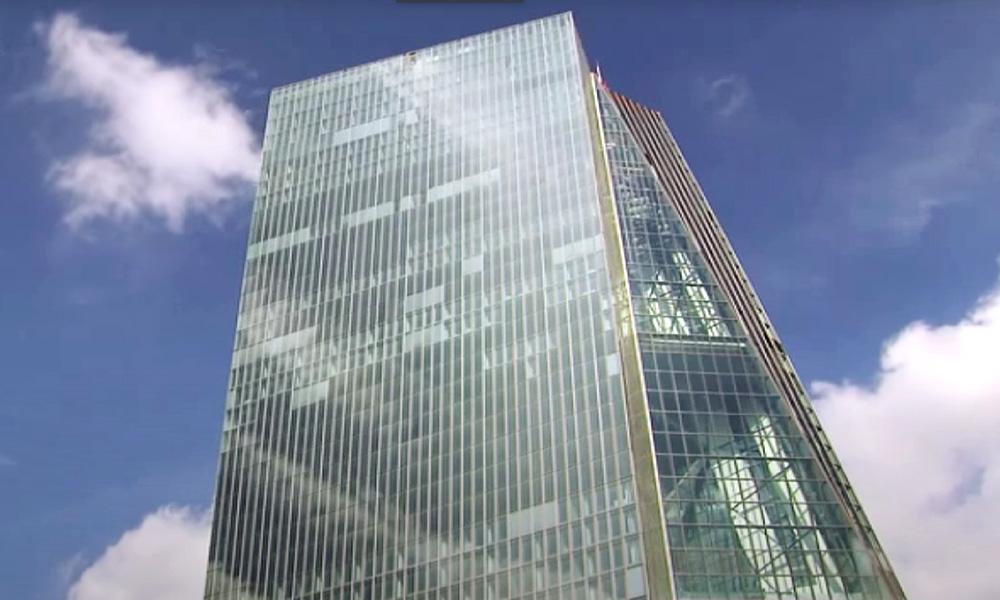
The European Central Bank's forward guidance, to be released this Thursday, will once again be the focus of the market. A month ago, ECB President Christine Lagarde stated that policymakers were prepared to raise interest rates even if there was a temporary jump in eurozone inflation.
Economists believe that the European Central Bank's June meeting is the real point of focus, as it may raise interest rates by 25 basis points, bringing the key rate to 2.25%.
In their pre-meeting analysis, economists at BNP Paribas noted that the ECB Governing Council wanted to retain ample policy options to raise interest rates should subsequent data provide support. They stated, "Keeping rates unchanged in April does not mean no action is needed, but rather that current data is insufficient to support an immediate decision. Unless energy prices experience a significant and sustained decline in the near term (which is not our baseline scenario), we ultimately expect the data from the June meeting to support a 25 basis point rate hike."
However, BNP Paribas believes that the European Central Bank will not make a clear commitment to raise interest rates in advance, nor will it show a strong inclination to raise rates. Instead, it will emphasize that it is "fully prepared" and adopt a "wait-and-see" attitude, which is consistent with the slightly softened hawkish tone in recent communications.
Jose Garcia Cantera, chief financial officer of Banco Santander, said on Wednesday that he does not expect a significant interest rate hike in the continent in the near future.
He said, "The ECB is taking a pause. They are indeed considering raising interest rates, but by a very modest amount. The ECB has done a good job controlling inflation in the past, so the need for future rate hikes may be relatively limited."
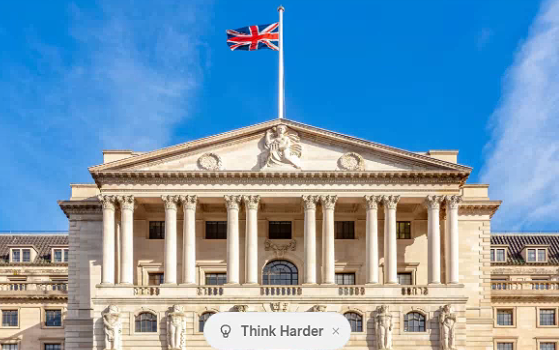
The conflict with Iran, which broke out at the end of February, completely disrupted the Bank of England's previous forecast that inflation would gradually fall back to the 2% target.
In March, the Bank of England stated that inflation could peak between 3% and 3.5% in the second or third quarter of 2026 due to rising energy prices, but also warned that uncertainty stemming from the conflict made forecasting more difficult. Latest data shows that the 12-month inflation rate to March had risen to 3.3%, up from 3% the previous month.
The market initially expected the Bank of England to cut interest rates multiple times in 2026, but this expectation quickly reversed after the outbreak of the conflict, with the market once believing that the Bank of England might need to raise interest rates this year. However, the expectation of a rate hike has now cooled significantly.
Economists widely expect a majority of the nine members of the Bank of England's Monetary Policy Committee, led by Governor Andrew Bailey, to take an extremely cautious approach. Most economists surveyed last week believed the Bank of England was likely to keep interest rates unchanged for the remainder of the year, with policymakers inclined to "ignore" any surge in inflation caused by external factors.
Most economists expect the Bank of England’s chief economist, Huw Pill, to vote 8-1 to keep interest rates unchanged at this week’s meeting, with the only dissenting voice supporting a rate hike likely to be Bank of England Chief Economist Huw Pill.
Morgan Stanley's chief UK economist Bruna Skarica and strategist Fabio Bassanin said the market wants the Bank of England to release clear, concise information and specify its policy strategy.
In their pre-meeting analysis, they pointed out: "From a communication perspective, the most likely message the Bank of England will send is that it will consider taking action if the risk of a second wave of effects rises. At the same time, we expect the Bank of England to place more emphasis on fully considering the impact of tightening policies on economic growth when formulating policies compared to March."
They added, "The question is not whether inflation will rise after a sharp increase in commodity prices, but whether it is worthwhile to tighten policy to get back to the 2% target more quickly and to bear the expected economic losses in the process."
Suren Thiru, chief economist at the Institute of Chartered Accountants, said that keeping interest rates unchanged is almost a foregone conclusion. He noted, "Stagflation concerns will cast a long shadow over this policy meeting. Rising inflationary pressures could prompt at least one more hawkish policymaker to break with the grain and vote for a rate hike."
Thiru added, “Policy-making will become more difficult for committee members, especially given the increasing headwinds in the global economy. Economic demand is being squeezed by slowing wage growth and decelerating economic growth, which should give policymakers sufficient room to keep interest rates unchanged during the current period of high inflation.”
Overall , both the European Central Bank and the Bank of England face the dual challenges of high inflation and slowing economic growth, impacted by the conflict in Iran. Their decisions this week are expected to be cautious, with a low probability of a significant interest rate hike in the short term. However, their June meetings may serve as a crucial window for observing policy shifts. Future policy direction will depend on the development of the conflict, energy price trends, and the actual performance of the second round of inflationary effects.
Economic data from the Eurozone and the UK in March showed that the conflict with Iran has had a significant drag on the economy, and markets are worried about the potential risk of "stagflation" (slow economic growth, high inflation, and rising unemployment).
The European Central Bank and the Bank of England kept interest rates steady in March and are expected to remain cautious this week.
In March of this year, as the conflict with Iran was just beginning to erupt and start to impact the global economy, both the European Central Bank and the Bank of England decided to keep interest rates unchanged. This Thursday, both central banks are expected to continue their cautious approach.
In the early stages of the conflict, the market quickly priced in the possibility of both central banks raising interest rates to combat inflationary pressures. However, economists generally believe that policymakers will choose to "ignore" the noise of a short-term surge in inflation and maintain interest rates unchanged for an extended period. Specifically, the European Central Bank's key interest rate is expected to remain at 2%, while the Bank of England's is expected to maintain it at 3.75%.
Currently, the inflation rate in the Eurozone is 2.5%, and the inflation rate in the UK is 3.3%, both higher than the 2% target set by the two central banks.
Oliver Rakau, chief German economist at Oxford Economics, said: "Energy prices have not yet significantly exceeded the ECB's forecast assumptions, while the attempts at negotiation between the US and Iran have led the market to believe that the conflict will not last long."
He added, "Survey data shows that the economic impact this time is more concentrated than in 2022, which has reduced market concerns about a second wave of effects."
The so-called "second-round effect" refers to the indirect consequences of a sudden inflationary shock, such as workers demanding higher wages and businesses raising product prices. These effects are often more persistent, making it difficult for central banks to quickly control them through monetary policy alone.
Lacao pointed out that the ECB needs to see sufficient evidence that a second round of effects is emerging before taking action, but this threshold is not high. He predicted: "If there are signs such as rising inflation expectations, a resilient labor market, manageable economic damage, and accelerating core inflation, the ECB may start raising interest rates in June and July. This moderate tightening policy can both balance the economic costs of the conflict and achieve the ECB's goal of curbing a second round of effects."
The European Central Bank's forward guidance is attracting much attention; June may be a key time.
The European Central Bank's forward guidance, to be released this Thursday, will once again be the focus of the market. A month ago, ECB President Christine Lagarde stated that policymakers were prepared to raise interest rates even if there was a temporary jump in eurozone inflation.
Economists believe that the European Central Bank's June meeting is the real point of focus, as it may raise interest rates by 25 basis points, bringing the key rate to 2.25%.
In their pre-meeting analysis, economists at BNP Paribas noted that the ECB Governing Council wanted to retain ample policy options to raise interest rates should subsequent data provide support. They stated, "Keeping rates unchanged in April does not mean no action is needed, but rather that current data is insufficient to support an immediate decision. Unless energy prices experience a significant and sustained decline in the near term (which is not our baseline scenario), we ultimately expect the data from the June meeting to support a 25 basis point rate hike."
However, BNP Paribas believes that the European Central Bank will not make a clear commitment to raise interest rates in advance, nor will it show a strong inclination to raise rates. Instead, it will emphasize that it is "fully prepared" and adopt a "wait-and-see" attitude, which is consistent with the slightly softened hawkish tone in recent communications.
Jose Garcia Cantera, chief financial officer of Banco Santander, said on Wednesday that he does not expect a significant interest rate hike in the continent in the near future.
He said, "The ECB is taking a pause. They are indeed considering raising interest rates, but by a very modest amount. The ECB has done a good job controlling inflation in the past, so the need for future rate hikes may be relatively limited."
The Bank of England's cautious stance has significantly cooled expectations for interest rate hikes.
The conflict with Iran, which broke out at the end of February, completely disrupted the Bank of England's previous forecast that inflation would gradually fall back to the 2% target.
In March, the Bank of England stated that inflation could peak between 3% and 3.5% in the second or third quarter of 2026 due to rising energy prices, but also warned that uncertainty stemming from the conflict made forecasting more difficult. Latest data shows that the 12-month inflation rate to March had risen to 3.3%, up from 3% the previous month.
The market initially expected the Bank of England to cut interest rates multiple times in 2026, but this expectation quickly reversed after the outbreak of the conflict, with the market once believing that the Bank of England might need to raise interest rates this year. However, the expectation of a rate hike has now cooled significantly.
Economists widely expect a majority of the nine members of the Bank of England's Monetary Policy Committee, led by Governor Andrew Bailey, to take an extremely cautious approach. Most economists surveyed last week believed the Bank of England was likely to keep interest rates unchanged for the remainder of the year, with policymakers inclined to "ignore" any surge in inflation caused by external factors.
Most economists expect the Bank of England’s chief economist, Huw Pill, to vote 8-1 to keep interest rates unchanged at this week’s meeting, with the only dissenting voice supporting a rate hike likely to be Bank of England Chief Economist Huw Pill.
Morgan Stanley's chief UK economist Bruna Skarica and strategist Fabio Bassanin said the market wants the Bank of England to release clear, concise information and specify its policy strategy.
In their pre-meeting analysis, they pointed out: "From a communication perspective, the most likely message the Bank of England will send is that it will consider taking action if the risk of a second wave of effects rises. At the same time, we expect the Bank of England to place more emphasis on fully considering the impact of tightening policies on economic growth when formulating policies compared to March."
They added, "The question is not whether inflation will rise after a sharp increase in commodity prices, but whether it is worthwhile to tighten policy to get back to the 2% target more quickly and to bear the expected economic losses in the process."
Suren Thiru, chief economist at the Institute of Chartered Accountants, said that keeping interest rates unchanged is almost a foregone conclusion. He noted, "Stagflation concerns will cast a long shadow over this policy meeting. Rising inflationary pressures could prompt at least one more hawkish policymaker to break with the grain and vote for a rate hike."
Thiru added, “Policy-making will become more difficult for committee members, especially given the increasing headwinds in the global economy. Economic demand is being squeezed by slowing wage growth and decelerating economic growth, which should give policymakers sufficient room to keep interest rates unchanged during the current period of high inflation.”
Overall , both the European Central Bank and the Bank of England face the dual challenges of high inflation and slowing economic growth, impacted by the conflict in Iran. Their decisions this week are expected to be cautious, with a low probability of a significant interest rate hike in the short term. However, their June meetings may serve as a crucial window for observing policy shifts. Future policy direction will depend on the development of the conflict, energy price trends, and the actual performance of the second round of inflationary effects.
- Risk Warning and Disclaimer
- The market involves risk, and trading may not be suitable for all investors. This article is for reference only and does not constitute personal investment advice, nor does it take into account certain users’ specific investment objectives, financial situation, or other needs. Any investment decisions made based on this information are at your own risk.