US-Iran Ultimatum vs. Expectations of Resumption of Islamabad Talks: Oil Prices Fall Over 7% Weekly; Next Month a Key Window to Determine Oil Price Direction
2026-05-09 07:09:01
Oil prices fell more than 7% this week, but Brent crude briefly touched above $115 a barrel at the beginning of the week, and WTI crude approached $107.50 a barrel. This intraday surge followed by a decline, with the weekly chart still down more than 7%, profoundly reflects the market's extreme entanglement between the escalation of the US-Iran conflict and expectations of ceasefire negotiations.
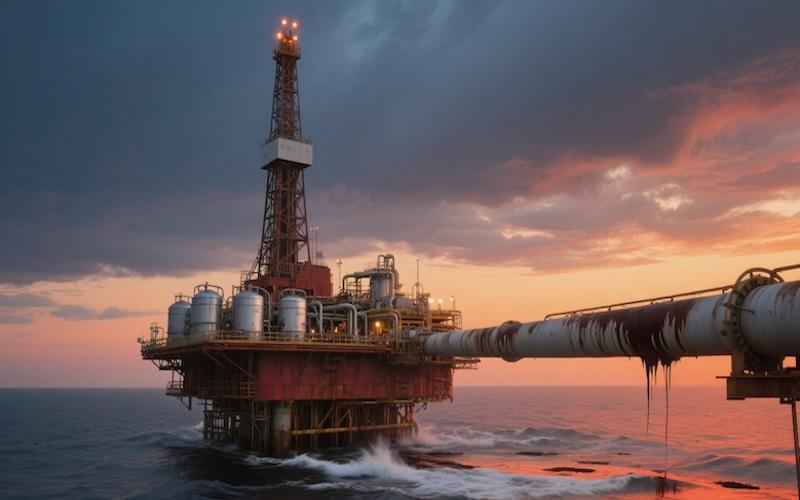
On the one hand, the direct military conflict between the United States and Iran in the Persian Gulf and the attack on the UAE have threatened shipping safety in the Strait of Hormuz, triggering panic buying. On the other hand, traders are constantly betting that the conflict can achieve a "longer ceasefire," and there are even reports that the two sides will restart negotiations in Islamabad, causing bulls to be hesitant to continue their positions.
Again Capital partner Kilduff described the market as "stagnant," believing that oil prices are teetering on the brink of a breakthrough in negotiations and a resurgence of hostilities, with any headline news capable of triggering sharp fluctuations. This "false move" indicates that current oil market pricing is entirely dominated by geopolitical news, with traditional supply and demand fundamentals temporarily taking a backseat.
US-Iran Conflict Escalates <br />Although US President Trump initially declared that the ceasefire agreement "remains in effect," he issued another ultimatum to Iran on Friday, demanding that it abandon its nuclear ambitions. Meanwhile, Iranian Foreign Minister Araqchi accused the US of "destructive practices" that are undermining the diplomatic process and deepening Iranian public suspicion of US intentions.
More concerning is that the Iranian parliament is drafting a law concerning the Strait of Hormuz, proposing to grant Iran permanent oversight rights over the strait's control. The Strait of Hormuz is a vital waterway for approximately 20% of global oil shipments, and any legislation by Iran aimed at strengthening its control would directly threaten the security of global crude oil supplies.
According to Iran's Tasnim News Agency, the draft law has entered the joint review stage with the parliament, the Ministry of Foreign Affairs, and the Ports and Maritime Organization. If passed, Iran may further restrict passage through the Straits under the guise of "legitimate" rights. Meanwhile, actual clashes between US and Iranian forces in the Persian Gulf have led to another attack on the UAE, indicating that military tensions are shifting from verbal threats to concrete actions.
Analysts point out that Iran is consolidating its geopolitical leverage through legislation while simultaneously making tough demands at the negotiating table, such as "permanent participation in oversight," essentially preparing for a long-term game rather than seeking a quick compromise.
Prospects for Diplomatic Negotiations
Despite the looming threat of war, diplomatic channels have not been completely closed. According to sources, the United States and Iran, with the assistance of mediators, are drafting a one-page, 14-point memorandum of understanding to outline the framework for a month-long ceasefire negotiation. The talks could resume as early as next week in Islamabad, Pakistan, marking the most formal contact between the two sides since the escalation of the conflict.
The core contents of the draft include: Iran's first statement of willingness to hold consultations on its nuclear program and ease restrictions on the Strait of Hormuz; and the US commitment to gradually lift the blockade on Iranian ports during the 30-day negotiation period. However, several differences remain unresolved: Iran opposes the transfer of any nuclear materials to the US; specific details regarding the suspension of uranium enrichment activities and the transfer of enriched uranium abroad have not been finalized; Iran insists on having permanent monitoring rights over the Strait; and the scope of the US sanctions lifting is also disputed.
An Iranian official emphasized that while Iran is reviewing the proposal, it firmly opposes transferring nuclear materials to the United States. John Evans, an analyst at PVM Oil Associates, pointed out that issues such as when Gulf states will restore supplies and the inventory situation during peak gasoline consumption periods remain unresolved until a long-term solution to the hostilities is found. The market's optimism contrasts sharply with the substantial obstacles, and any apparent "feint" in negotiations could trigger sharp two-way fluctuations in oil prices.
Market Forecast and Outlook
In its latest report, Citibank maintained its three-month oil price forecast at $120 per barrel. However, the bank also outlined a stepped decline path: the average Brent crude price is expected to be $110 in the second quarter of 2026, falling to $95 in the third quarter, and further to $80 in the fourth quarter.
The underlying logic behind this prediction is that the US-Iran conflict and the Strait of Hormuz crisis will drive oil prices higher in the short term, but the geopolitical premium will gradually diminish as negotiations progress and the ceasefire continues. It's worth noting that Citi's baseline forecast does not assume a complete resolution of the conflict, but rather a scenario of "gradual de-escalation."
Vanda Insights founder Vanda Hari points out that the US government continues to overemphasize the prospect of easing tensions, and the optimistic market is convinced of this, resulting in each rebound being "slow and incomplete." In summary, the next month will be a crucial window for determining the direction of oil prices—the success or failure of the Islamabad negotiations will directly determine whether oil prices surge to $120 or fall back to the $80 range.
Meanwhile, the market also needs to digest other geopolitical variables: US Secretary of State Rubio warned that if there is no further progress in the Russia-Ukraine negotiations, the US is unwilling to "waste time" any more, but Russia and Ukraine have just agreed to exchange prisoners of war in a "1,000 for 1,000" manner and extend the ceasefire until May 11.
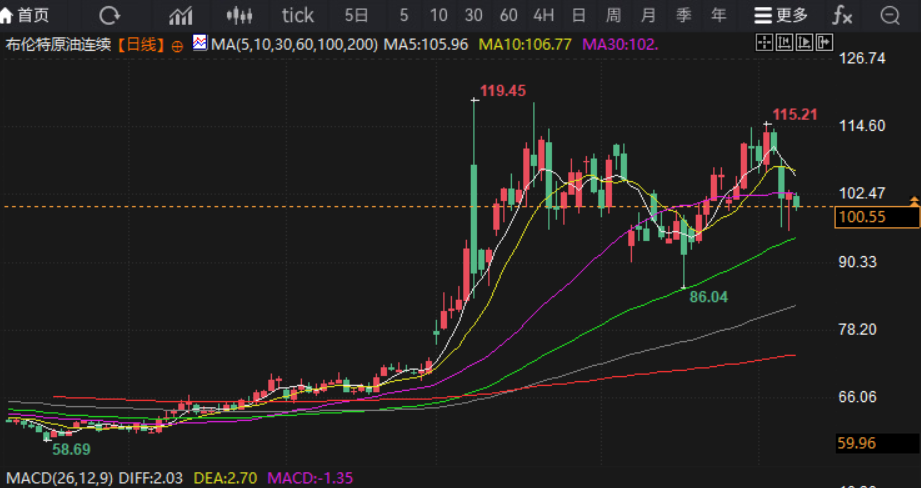
On the one hand, the direct military conflict between the United States and Iran in the Persian Gulf and the attack on the UAE have threatened shipping safety in the Strait of Hormuz, triggering panic buying. On the other hand, traders are constantly betting that the conflict can achieve a "longer ceasefire," and there are even reports that the two sides will restart negotiations in Islamabad, causing bulls to be hesitant to continue their positions.
Again Capital partner Kilduff described the market as "stagnant," believing that oil prices are teetering on the brink of a breakthrough in negotiations and a resurgence of hostilities, with any headline news capable of triggering sharp fluctuations. This "false move" indicates that current oil market pricing is entirely dominated by geopolitical news, with traditional supply and demand fundamentals temporarily taking a backseat.
US-Iran Conflict Escalates <br />Although US President Trump initially declared that the ceasefire agreement "remains in effect," he issued another ultimatum to Iran on Friday, demanding that it abandon its nuclear ambitions. Meanwhile, Iranian Foreign Minister Araqchi accused the US of "destructive practices" that are undermining the diplomatic process and deepening Iranian public suspicion of US intentions.
More concerning is that the Iranian parliament is drafting a law concerning the Strait of Hormuz, proposing to grant Iran permanent oversight rights over the strait's control. The Strait of Hormuz is a vital waterway for approximately 20% of global oil shipments, and any legislation by Iran aimed at strengthening its control would directly threaten the security of global crude oil supplies.
According to Iran's Tasnim News Agency, the draft law has entered the joint review stage with the parliament, the Ministry of Foreign Affairs, and the Ports and Maritime Organization. If passed, Iran may further restrict passage through the Straits under the guise of "legitimate" rights. Meanwhile, actual clashes between US and Iranian forces in the Persian Gulf have led to another attack on the UAE, indicating that military tensions are shifting from verbal threats to concrete actions.
Analysts point out that Iran is consolidating its geopolitical leverage through legislation while simultaneously making tough demands at the negotiating table, such as "permanent participation in oversight," essentially preparing for a long-term game rather than seeking a quick compromise.
Prospects for Diplomatic Negotiations
Despite the looming threat of war, diplomatic channels have not been completely closed. According to sources, the United States and Iran, with the assistance of mediators, are drafting a one-page, 14-point memorandum of understanding to outline the framework for a month-long ceasefire negotiation. The talks could resume as early as next week in Islamabad, Pakistan, marking the most formal contact between the two sides since the escalation of the conflict.
The core contents of the draft include: Iran's first statement of willingness to hold consultations on its nuclear program and ease restrictions on the Strait of Hormuz; and the US commitment to gradually lift the blockade on Iranian ports during the 30-day negotiation period. However, several differences remain unresolved: Iran opposes the transfer of any nuclear materials to the US; specific details regarding the suspension of uranium enrichment activities and the transfer of enriched uranium abroad have not been finalized; Iran insists on having permanent monitoring rights over the Strait; and the scope of the US sanctions lifting is also disputed.
An Iranian official emphasized that while Iran is reviewing the proposal, it firmly opposes transferring nuclear materials to the United States. John Evans, an analyst at PVM Oil Associates, pointed out that issues such as when Gulf states will restore supplies and the inventory situation during peak gasoline consumption periods remain unresolved until a long-term solution to the hostilities is found. The market's optimism contrasts sharply with the substantial obstacles, and any apparent "feint" in negotiations could trigger sharp two-way fluctuations in oil prices.
Market Forecast and Outlook
In its latest report, Citibank maintained its three-month oil price forecast at $120 per barrel. However, the bank also outlined a stepped decline path: the average Brent crude price is expected to be $110 in the second quarter of 2026, falling to $95 in the third quarter, and further to $80 in the fourth quarter.
The underlying logic behind this prediction is that the US-Iran conflict and the Strait of Hormuz crisis will drive oil prices higher in the short term, but the geopolitical premium will gradually diminish as negotiations progress and the ceasefire continues. It's worth noting that Citi's baseline forecast does not assume a complete resolution of the conflict, but rather a scenario of "gradual de-escalation."
Vanda Insights founder Vanda Hari points out that the US government continues to overemphasize the prospect of easing tensions, and the optimistic market is convinced of this, resulting in each rebound being "slow and incomplete." In summary, the next month will be a crucial window for determining the direction of oil prices—the success or failure of the Islamabad negotiations will directly determine whether oil prices surge to $120 or fall back to the $80 range.
Meanwhile, the market also needs to digest other geopolitical variables: US Secretary of State Rubio warned that if there is no further progress in the Russia-Ukraine negotiations, the US is unwilling to "waste time" any more, but Russia and Ukraine have just agreed to exchange prisoners of war in a "1,000 for 1,000" manner and extend the ceasefire until May 11.
- Risk Warning and Disclaimer
- The market involves risk, and trading may not be suitable for all investors. This article is for reference only and does not constitute personal investment advice, nor does it take into account certain users’ specific investment objectives, financial situation, or other needs. Any investment decisions made based on this information are at your own risk.