Powell's term is drawing to a close, and his eight-year tenure as Federal Reserve Chairman has been fraught with controversy.
2026-05-11 14:54:51
Federal Reserve Chairman Jerome Powell's eight-year term is drawing to a close, and his historical evaluation will not depend on the present, but rather on the ultimate outcome of the struggle between the effectiveness of his anti-inflation efforts and the Fed's independence . During his tenure, he misjudged the nature of inflation, delayed policy adjustments, and while he did manage to push inflation down in stages, he fell just short of achieving his target. This, coupled with controversy surrounding the pace of interest rate cuts and the challenges posed by political forces to the central bank's independence, means his successor will likely continue this complex predicament.
Jerome Powell's term as Federal Reserve Chairman will officially end this Friday.
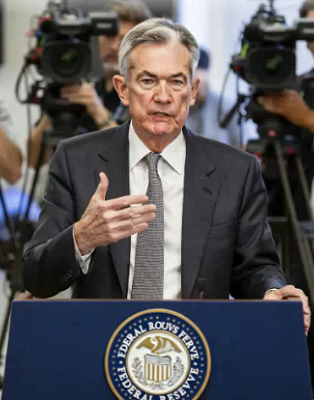
At the Jackson Hole Economic Symposium in the summer of 2024, he publicly declared that the United States had gained the upper hand in the fight against inflation and believed that a cycle of interest rate cuts could begin to stabilize the job market while bringing inflation back to the 2% target. A few years earlier, he had also stated that he was willing to take tough policies to suppress high inflation, even if it meant that businesses and the public would suffer short-term pain.
The actual trend did not go as expected. After a brief drop to 2.3%, inflation bottomed out and rebounded, and has now been above the policy target for six consecutive years.
Looking back on his eight years in office, two major controversies are hard to avoid: first, the major misjudgment that inflation was characterized as a temporary rise in 2021; and second, the persistent high inflation and the political challenges to the central bank's independence.
Former senior Federal Reserve official Vincent Reinhart said that Powell's historical legacy can only be definitively judged after he leaves office, and whether inflation can stabilize back to 2% is the core criterion.
During the pandemic, Powell made a serious misjudgment of the sustainability of supply chain disruptions and price increases, insisting that inflation would fall back quickly on its own. This caused the Federal Reserve to delay raising interest rates until March 2022, when it was forced to tighten monetary policy, ultimately leading to the worst inflation in forty years. At that time, the Federal Reserve was still expanding its balance sheet through quantitative easing and had not stopped its asset purchase operations.
Powell later admitted that the policy tightening and cessation of bond purchases could have been implemented sooner, primarily due to concerns about severe financial market volatility and a repeat of previous years' sharp rises in yields. However, many on Wall Street have reservations. Renowned investor Paul Tudor Jones believes that Powell's early efforts to maintain low interest rates were politically motivated by a desire for re-election, and that he only began aggressive rate hikes after securing his nomination. The Fed raised rates sharply and continuously in 2022, only pausing in mid-2023. While inflation did decline somewhat, it failed to reach the target range.
Inflation stalled after falling to a certain level, according to industry scholar Carola Binder, indicating that the Federal Reserve was stuck in a stalemate in the final stages of its fight against inflation. While the market had praised the Fed for achieving a soft landing, in retrospect, the tightening of policy was both insufficient in both magnitude and timing.
During the later part of Powell's term, he initiated multiple rounds of interest rate cuts, cumulatively lowering the benchmark interest rate to the current range in 2024 and 2025.
Dana Peterson, chief economist at The Conference Board, stated that while earlier interest rate cuts were justified, subsequent rounds of cuts were unnecessary. He argued that excessive easing was influenced by employment data, and a future rate hike to correct this could be necessary. Powell, on the other hand, believes that tariff shocks and the situation in Iran, pushing up energy costs, are external factors contributing to the resurgence of inflation. Industry experts generally believe that external events are merely triggers, while early policy mistakes are the root cause of the current predicament.
Monetary policy analyst Derek Tang stated that shifts in the global economic and political landscape are eroding the traditional independence of central banks, and the rise of populism makes policy decisions more susceptible to political interference. Kevin Warsh, Trump's nominee for the new Federal Reserve Chairman, will face the immediate challenge of upholding central bank independence upon taking office.
The evaluation of Federal Reserve chairmen has always been lagging. Like his predecessor Greenspan, who was highly praised during his term but was later criticized for regulatory oversights, Powell's merits and demerits will gradually become clear in the coming years.
Overall, Powell's eight-year tenure at the Federal Reserve was marked by significant shortcomings due to misjudgments of inflation and policy lags. His later efforts to combat inflation encountered obstacles midway, and the pace of interest rate cuts remained controversial. Meanwhile, the struggle between central bank independence and political interference intensified, making it difficult to immediately assess his historical reputation. Ultimately, inflation trends and subsequent policy directions will determine his final position within the Federal Reserve's history.
Misjudgment in combating inflation at the end of his term sows the seeds of historical controversy.
Jerome Powell's term as Federal Reserve Chairman will officially end this Friday.
At the Jackson Hole Economic Symposium in the summer of 2024, he publicly declared that the United States had gained the upper hand in the fight against inflation and believed that a cycle of interest rate cuts could begin to stabilize the job market while bringing inflation back to the 2% target. A few years earlier, he had also stated that he was willing to take tough policies to suppress high inflation, even if it meant that businesses and the public would suffer short-term pain.
The actual trend did not go as expected. After a brief drop to 2.3%, inflation bottomed out and rebounded, and has now been above the policy target for six consecutive years.
Looking back on his eight years in office, two major controversies are hard to avoid: first, the major misjudgment that inflation was characterized as a temporary rise in 2021; and second, the persistent high inflation and the political challenges to the central bank's independence.
Former senior Federal Reserve official Vincent Reinhart said that Powell's historical legacy can only be definitively judged after he leaves office, and whether inflation can stabilize back to 2% is the core criterion.
Misjudging temporary inflation and policy lag amplify market risks
During the pandemic, Powell made a serious misjudgment of the sustainability of supply chain disruptions and price increases, insisting that inflation would fall back quickly on its own. This caused the Federal Reserve to delay raising interest rates until March 2022, when it was forced to tighten monetary policy, ultimately leading to the worst inflation in forty years. At that time, the Federal Reserve was still expanding its balance sheet through quantitative easing and had not stopped its asset purchase operations.
Powell later admitted that the policy tightening and cessation of bond purchases could have been implemented sooner, primarily due to concerns about severe financial market volatility and a repeat of previous years' sharp rises in yields. However, many on Wall Street have reservations. Renowned investor Paul Tudor Jones believes that Powell's early efforts to maintain low interest rates were politically motivated by a desire for re-election, and that he only began aggressive rate hikes after securing his nomination. The Fed raised rates sharply and continuously in 2022, only pausing in mid-2023. While inflation did decline somewhat, it failed to reach the target range.
Inflation reaches its final impasse; interest rate cut decision sparks disagreement within the industry.
Inflation stalled after falling to a certain level, according to industry scholar Carola Binder, indicating that the Federal Reserve was stuck in a stalemate in the final stages of its fight against inflation. While the market had praised the Fed for achieving a soft landing, in retrospect, the tightening of policy was both insufficient in both magnitude and timing.
During the later part of Powell's term, he initiated multiple rounds of interest rate cuts, cumulatively lowering the benchmark interest rate to the current range in 2024 and 2025.
Dana Peterson, chief economist at The Conference Board, stated that while earlier interest rate cuts were justified, subsequent rounds of cuts were unnecessary. He argued that excessive easing was influenced by employment data, and a future rate hike to correct this could be necessary. Powell, on the other hand, believes that tariff shocks and the situation in Iran, pushing up energy costs, are external factors contributing to the resurgence of inflation. Industry experts generally believe that external events are merely triggers, while early policy mistakes are the root cause of the current predicament.
Central bank independence is being challenged; successors face a double test.
Monetary policy analyst Derek Tang stated that shifts in the global economic and political landscape are eroding the traditional independence of central banks, and the rise of populism makes policy decisions more susceptible to political interference. Kevin Warsh, Trump's nominee for the new Federal Reserve Chairman, will face the immediate challenge of upholding central bank independence upon taking office.
The evaluation of Federal Reserve chairmen has always been lagging. Like his predecessor Greenspan, who was highly praised during his term but was later criticized for regulatory oversights, Powell's merits and demerits will gradually become clear in the coming years.
Summarize
Overall, Powell's eight-year tenure at the Federal Reserve was marked by significant shortcomings due to misjudgments of inflation and policy lags. His later efforts to combat inflation encountered obstacles midway, and the pace of interest rate cuts remained controversial. Meanwhile, the struggle between central bank independence and political interference intensified, making it difficult to immediately assess his historical reputation. Ultimately, inflation trends and subsequent policy directions will determine his final position within the Federal Reserve's history.
- Risk Warning and Disclaimer
- The market involves risk, and trading may not be suitable for all investors. This article is for reference only and does not constitute personal investment advice, nor does it take into account certain users’ specific investment objectives, financial situation, or other needs. Any investment decisions made based on this information are at your own risk.